Itasca State Park
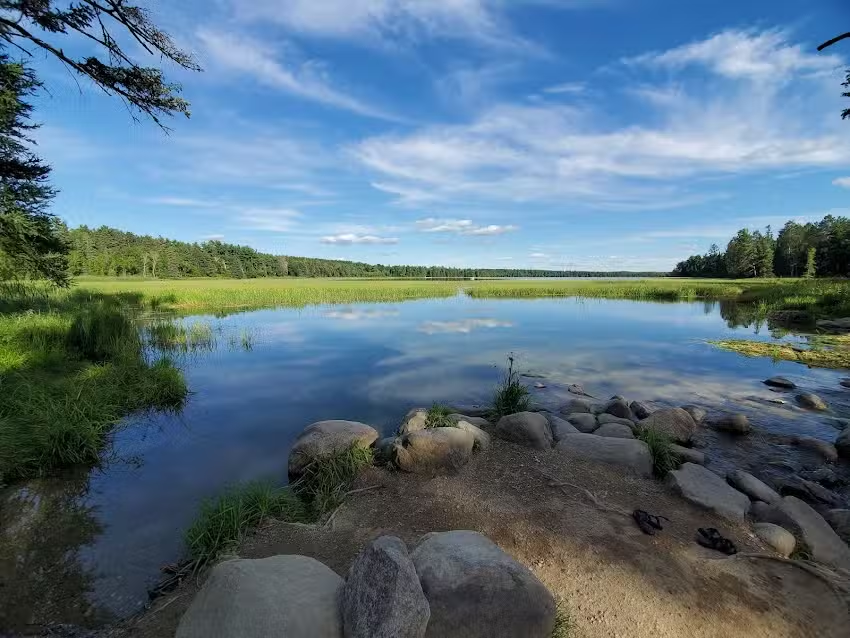
BackItasca State Park operates as a comprehensive destination for travelers, anchored by its significant historical and geographical status. Established in 1891, it is Minnesota's oldest state park, a fact that underlines a long history of preservation and public access. The primary draw for its nearly half a million annual visitors is the Mississippi River's headwaters, where the iconic river begins as a small stream flowing from Lake Itasca. This feature alone positions the park as a major tourist destination, offering an experience that is both a photo opportunity and a tangible connection to American geography.
Visitors consistently rate the park highly, with an exceptional average score of 4.9 out of 5 from over 4,000 reviews. This satisfaction stems from a combination of unique natural features, well-maintained facilities, and a broad range of activities. The park's vast expanse, covering over 32,000 acres and encompassing more than 100 lakes, provides a substantial foundation for diverse outdoor adventures. However, its sheer size can also be a challenge; first-time visitors or those on a tight schedule may find it overwhelming without adequate travel planning.
Lodging and Accommodations: A Mixed Bag of Options
Itasca State Park provides a wide spectrum of state park lodging choices, catering to different preferences and budgets, from rustic to comfortable.
Historic Lodges and Cabins
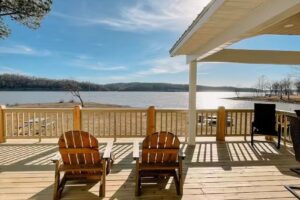
For those seeking a more traditional and comfortable stay, the historic Douglas Lodge, built in 1905, offers guest rooms and a full-service restaurant. This provides a classic lodge experience reminiscent of national park architecture. A variety of cabins are also available, including rustic options that, according to visitor feedback, come equipped with basic amenities like a half-bath, microwave, and small refrigerator. This makes them a viable option for those who want a closer-to-nature feel without forgoing all conveniences. Other options include the Four-Season Suites, Bert's Cabins, and the Headwaters Inn, ensuring year-round availability.
Camping Facilities
The park features extensive campgrounds, such as Pine Ridge and Bear Paw, which are praised for being clean and well-maintained. Reviews frequently mention the quality of the facilities, including shower houses with good water pressure. With over 200 sites, the campgrounds are a popular choice for camping trips, but reservations are essential, particularly during peak season. The park is equipped to handle RVs and offers sites with electrical hookups.
Activities and Experiences: The Core Offerings
The park's main appeal lies in its diverse recreational opportunities that cater to both active adventurers and those seeking quiet relaxation.
The Mississippi Headwaters Experience
The ability to walk across the nascent Mississippi River on a series of rocks is the park's signature activity. It is a unique and memorable moment for individuals and families alike. This popularity, however, comes with a significant downside: the headwaters area can become extremely crowded. Visitors should be prepared for a bustling atmosphere, especially during weekends and summer afternoons. To mitigate this, an early morning or weekday visit is advisable.
Trails, Towers, and Scenic Drives
For enthusiasts of adventure travel, Itasca offers an extensive network of trails. With miles available for hiking and biking, there are paths suitable for all fitness levels. A standout attraction is the Aiton Heights Fire Tower. This 100-foot structure, accessible via a short hike, requires climbing 142 steps but rewards visitors with panoramic views over the vast forest canopy. However, access can be limited, with a maximum of six people allowed on the tower at once, potentially creating queues on busy days. The Wilderness Drive is a scenic, one-way road that offers a more relaxed way to see the park's interior, including the 2,000-acre Wilderness Sanctuary, a designated National Natural Landmark.
Year-Round Destination
Itasca is not just a summer destination. The park offers a robust lineup of winter activities, making it a valuable resource for year-round vacation packages. These include cross-country skiing on groomed trails, snowshoeing anywhere off-trail, and snowmobiling. Equipment rentals, like snowshoes, are available at the Jacob V. Brower Visitor Center. This four-season appeal is a significant strength, providing opportunities for nature retreats even in the colder months.
The Practicalities: What to Know Before You Go
While the park is overwhelmingly praised, potential visitors should be aware of a few practical considerations.
Crowds and Planning
As mentioned, the park's popularity, especially at the headwaters, is its primary drawback. The massive scale of the park means that a day trip requires a clear plan to avoid spending too much time driving between points of interest. The $7 daily vehicle permit is considered a reasonable fee by most visitors for the value received.
Connectivity
For the modern traveler, connectivity can be a concern. Cell service is generally reported as good in the main areas like the campgrounds and visitor centers. Free Wi-Fi is also available in key buildings, including the Douglas Lodge, the Jacob V. Brower Visitor Center, and the Mary Gibbs Mississippi Headwaters Center. However, service can be spotty or non-existent in more remote areas of the park, and Wi-Fi does not extend comprehensively to all campsites. This makes it a place where you can be connected when you need to be, but also allows for disconnection.
Service and Facilities
The staff is generally described as helpful and delightful. Facilities, from visitor centers with hands-on exhibits for children to gift shops and a cafe with reasonably priced sandwiches, are consistently rated as clean and well-managed. While one visitor noted a single negative interaction at the camping office, the overwhelming consensus points to high standards of maintenance and customer service throughout the park.