
Ozark National Scenic Riverways
BackThe Ozark National Scenic Riverways, managed by the National Park Service, serves as the primary facilitator for travel and tourism centered around the Current and Jacks Fork Rivers in Missouri. This is not a conventional travel agency but rather a destination that requires visitors to engage in significant personal travel planning. With a high overall rating based on visitor feedback, it offers a distinct experience rooted in natural preservation, but this approach comes with a specific set of advantages and challenges that potential visitors must consider.
The Core Experience: Natural Attractions and Activities
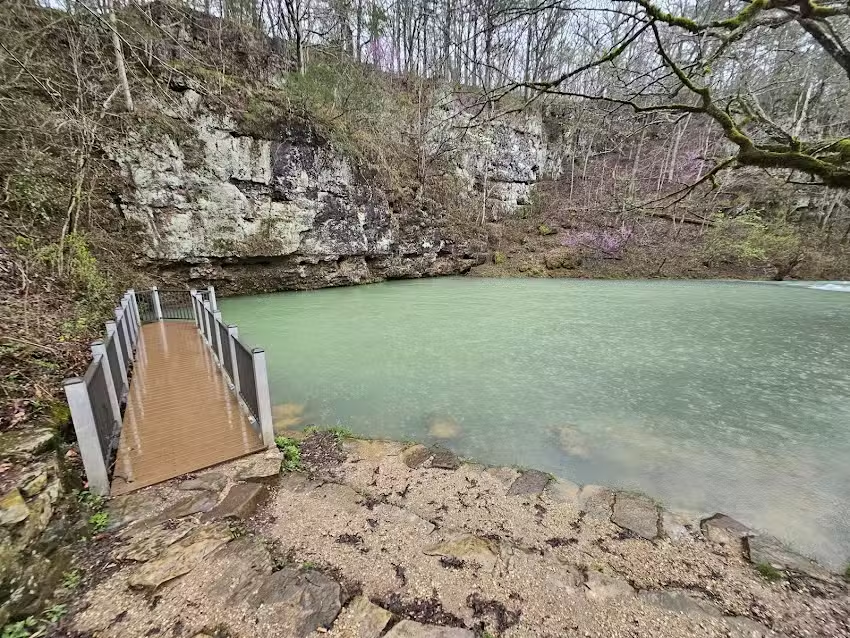
The primary draw for visitors is undoubtedly the collection of pristine natural sites. Many travelers describe their visit as discovering an "unexpected gem," with specific locations earning consistent praise. Springs are a major highlight, with Blue Spring, Alley Spring, and Big Spring frequently cited as breathtaking and worth the journey. The vibrant, unaltered colors of the water and surrounding foliage are a testament to the area's preserved state, making it a prime destination for photography and nature appreciation. The historic Alley Mill, located near Alley Spring, adds a cultural and historical dimension to the natural scenery, offering a glimpse into the region's past.
This landscape provides a backdrop for a wide array of outdoor activities. As the nation's first park area dedicated to protecting a river system, water-based recreation is central to the experience. Planning river trips is what most visitors come here to do. The Current and Jacks Fork rivers are renowned for floating, whether by canoe, kayak, or tube. The park itself does not rent equipment, but its website directs visitors to a list of authorized local tour operators and outfitters who provide rentals and shuttle services. This ecosystem of private businesses is essential for anyone looking to get on the water. Fishing is another popular pastime in these clear, spring-fed rivers. Beyond the water, the area offers numerous hiking opportunities. Trails can range from simple, short walks, such as the path to Rocky Falls, to more moderately challenging climbs that offer elevated views of the landscape, catering to different fitness levels and making it a viable option for family vacations.
Visitor Services and On-Site Facilities
For first-time visitors, the headquarters and visitor centers are a crucial starting point. Staff members are often described as helpful and knowledgeable, providing essential maps and information to help structure a visit. Given the park's sprawling and disconnected nature, collecting these physical maps is highly recommended by past visitors, especially since digital navigation can be unreliable. The visitor center facilities, including restrooms, are noted for being clean and well-maintained, providing a comfortable touchpoint before heading into more rustic areas.
The Challenges and Criticisms
While the beauty of the Riverways is rarely disputed, the logistics of a visit present significant hurdles that are a recurring theme in visitor feedback. It is essential for prospective travelers to understand that this is not a consolidated park but a collection of sites spread across a large geographical area.
Logistical Hurdles and Accessibility
The most prominent challenge is the travel required between points of interest. Key sites like Blue Spring, Alley Mill, and Big Spring are often separated by 20 to 30 miles of driving. This means a substantial portion of any visit is spent in the car, turning a day trip into a series of lengthy scenic drives. Furthermore, the infrastructure reflects the park's rustic ethos. Some access roads leading to prominent springs or trailheads are described as narrow, unpaved dirt or gravel roads. While generally manageable for most vehicles, these conditions can be intimidating for less experienced drivers or those in smaller cars, and they require slower, more cautious travel.
The Digital Divide: A Point of Contention
A significant and more recent point of criticism revolves around the park's administrative procedures, particularly for camping. Many visitors come to the Ozarks to disconnect from technology and immerse themselves in nature, a key component of eco-tourism. However, a recently implemented policy requires visitors to reserve and pay for backcountry campsites using a smartphone and an online portal. This has caused considerable frustration, as cellular service is notoriously poor to non-existent throughout most of the Riverways. Visitors have reported being unable to secure a campsite legally because they cannot get a signal to complete the transaction. This bureaucratic requirement is seen by some as fundamentally at odds with the backcountry experience, creating a barrier for those who are unprepared or who specifically sought a low-tech getaway. This is a critical detail for anyone planning an overnight stay and underscores the need to complete all digital bookings before entering the park's remote areas.
Planning Your Trip: A Summary for Potential Visitors
A successful trip to the Ozark National Scenic Riverways hinges on preparation and the right expectations. It is a destination that rewards the self-sufficient traveler who enjoys both the journey and the destination.
- For the Adventurous Traveler: This is an excellent destination for genuine adventure travel. The opportunities for unguided floats, exploring remote trails, and discovering hidden springs are immense. However, you must be prepared for the logistical work of planning your route, booking services with external outfitters, and navigating areas with no digital support.
- For Families: The park offers wonderful experiences for family vacations, with many beautiful and easily accessible spots. The key is to plan a realistic itinerary. Instead of trying to see everything in one day, focus on one or two key areas to minimize driving time and maximize enjoyment. Be sure to pack everything you'll need, as services are sparse.
- For Campers: The camping experience can be fantastic, but you must navigate the digital reservation system *before* you lose cell service. Download maps, confirm your bookings, and have all necessary permits in order ahead of time. The frustration expressed by other visitors highlights how crucial this pre-planning is.
In conclusion, the Ozark National Scenic Riverways functions as a steward of a magnificent natural resource rather than a full-service resort. It does not offer vacation packages; it offers a landscape. The positive aspects are powerful: stunningly clear rivers, powerful springs, and a sense of preserved wilderness. The negative aspects are primarily logistical and administrative: long drives, rustic roads, and a campsite booking system that can be problematic in a low-connectivity environment. For the visitor who understands and prepares for these challenges, the reward is an immersive encounter with one of the Midwest's most beautiful natural areas.