
Zuni Pueblo MainStreet
BackZuni Pueblo MainStreet serves as the primary gateway for visitors wishing to connect with the rich artistic traditions and cultural heritage of the Zuni people. Functioning as a centralized visitor center, this organization, located at 1239 NM-53, is not merely a stop but the essential starting point for any thoughtfully planned trip to the Pueblo. It operates as a unique form of travel agency, focused on facilitating respectful and authentic interactions between the public and the Zuni community. However, potential visitors should be aware of a structured approach to tourism that presents both significant opportunities and notable constraints.
The Visitor Experience: Service and Access to Art
One of the most consistently praised aspects of Zuni Pueblo MainStreet is the quality of its staff and the resources it provides. Visitors frequently describe the personnel as kind, helpful, and deeply knowledgeable. This level of service is crucial in navigating a visit to a sovereign nation where cultural protocols are paramount. The center offers what has been described as an invaluable resource: comprehensive binders detailing local artists and their specific works. This system allows prospective buyers and art enthusiasts to familiarize themselves with the diverse array of local talent, making it easier to find specific styles or artists. This organized approach transforms a simple visit into a curated experience, positioning the center as a key liaison for those interested in acquiring authentic Native American art, from intricate jewelry and pottery to traditional rugs.
The on-site Museum store and associated trading posts are highlighted as a treasure trove for both serious collectors and casual shoppers. The inventory is lauded for its amazing variety, showcasing works not only from Zuni artisans but from many other tribes as well. This provides a broad survey of regional artistic traditions under one roof. For travelers seeking an authentic travel experience, the ability to purchase items directly from a community-endorsed outlet ensures legitimacy and supports the local economy, a cornerstone of sustainable cultural tourism.
Community and Cultural Immersion
Beyond the transactional nature of art purchasing, visitors often report a profound sense of community. Reviews speak of a harmonious atmosphere, with friendly and respectful residents who are open and welcoming to visitors. This environment is the bedrock of a positive cultural exchange. Travelers who engage with the community often leave with a deep appreciation for the living culture of the Zuni people. Experiences like enjoying local food and interacting with artists in their element are frequently cited as trip highlights. This immersive quality is a major draw for those looking to move beyond surface-level tourism and engage in more meaningful heritage tours. The organization's role is to foster these connections, ensuring that tourism benefits the community without disrupting its social fabric.
Potential Challenges and Practical Considerations
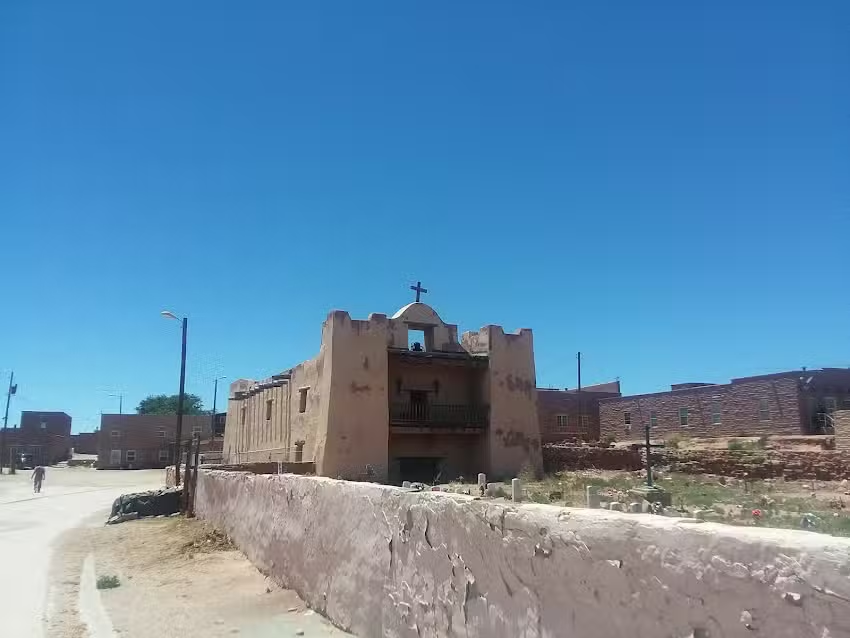
Despite the many positives, prospective visitors must approach a trip to Zuni with careful travel planning, as there are several logistical and financial hurdles. A significant point of friction mentioned by some travelers is the cost and regulation associated with documenting their visit. A permit is required for any photography, and while this policy is in place to protect the privacy and cultural integrity of the community, the associated fees can be a surprise. Furthermore, some key attractions may have accessibility issues. For instance, visitors have reported instances where the museum was closed during stated operating hours or that the historic mission was in a state of disrepair and could not be entered. These inconsistencies can be disappointing for those who have traveled a long distance.
The cost of guided tours has also been a point of contention. While a standard guided tour may be reasonably priced, more personalized or private vacation packages can be expensive, with one visitor noting a fee of $85 for a private guide. It is essential for travelers to verify all costs and opening times directly with the visitor center before arrival to avoid misunderstanding. Another major constraint is the operating schedule. Zuni Pueblo MainStreet is open only on weekdays, from 9:00 AM to 5:00 PM, and is closed on Saturdays and Sundays. This schedule is inconvenient for many tourists who plan weekend getaways, making a mid-week visit almost mandatory for those who wish to use the center's resources.
Recommendations for a Successful Visit
To make the most of a trip to Zuni Pueblo, a visit to the MainStreet center should be the first item on any itinerary. It is the designated place to get oriented, learn about cultural etiquette, purchase necessary permits, and organize a tour operator-led experience. Based on past visitor feedback, here is a list of recommendations:
- Call Ahead: Before you travel, contact the visitor center at (505) 782-7237 to confirm operating hours for the center, the museum, and other attractions. Inquire about the current costs for photo permits and the full range of tour options available.
- Plan a Weekday Trip: Given the weekend closures, schedule your visit between Monday and Friday to ensure access to the full services offered by Zuni Pueblo MainStreet.
- Budget Accordingly: Factor in the costs for permits, potential tours, and art purchases. While the experience is rich, it is not always a budget-friendly destination, especially for those wanting a comprehensive, guided tour.
- Engage Respectfully: The most rewarding experiences come from genuine interaction. Be respectful of customs, ask questions politely, and understand that you are a guest in the Zuni homeland. The center provides the necessary framework for this respectful engagement.
In conclusion, Zuni Pueblo MainStreet acts as a vital destination management organization, offering a structured pathway into a unique cultural landscape. It provides unparalleled access to world-class artisans and a welcoming community. However, this access comes with a set of rules, costs, and logistical limitations that require forethought and planning. For the prepared and respectful traveler, it offers a deeply authentic connection to the art and people of Zuni, but for the spontaneous or budget-conscious tourist, the rigid structure may present significant challenges.