
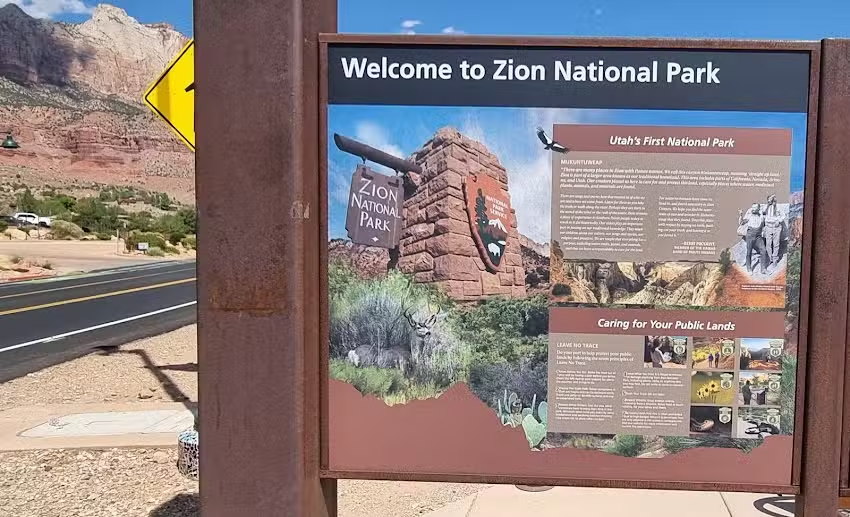
Zion Canyon Visitor Center
BackThe Zion Canyon Visitor Center serves as the essential command center for any visit to Zion National Park. It's much more than a building with maps; it functions as the primary hub for information, transportation, and destination management within one of the nation's most popular parks. Strategically located at the south entrance near Springdale, this facility is the starting point—shuttle stop #1—for nearly every visitor's journey into the main canyon. Here, you can get wilderness permits, speak with rangers about current trail conditions, fill water bottles, and browse the Zion Forever Project bookstore for souvenirs.
However, anyone involved in holiday planning should be acutely aware of the center's biggest challenge: overwhelming popularity. This manifests most significantly in the parking situation. The visitor center lot is notoriously small for the volume of traffic the park receives and frequently fills up by 8:00 AM or even earlier during peak season. Arriving late means you will not find a spot. This forces visitors into the town of Springdale to find paid parking, which can cost around $20 or more for the day. From there, you must use the free Springdale town shuttle to get to the park's pedestrian entrance and then walk to the visitor center. While this system works, it adds an extra layer of logistics and time to the start of your day.
The Mandatory Shuttle System: A Double-Edged Sword
For most of the year, from early March through late November, private vehicles are not allowed on Zion Canyon Scenic Drive. This makes the park-operated shuttle system, which departs from the visitor center, non-negotiable for accessing iconic trailheads like The Grotto (for Angels Landing) and the Temple of Sinawava (for The Narrows). This system is a critical component of the park's crowd control and preservation efforts.
Advantages of the Shuttle
From a travel arrangements perspective, the shuttle is highly efficient. Buses run frequently, often every 6 to 15 minutes, ensuring that movement through the canyon is constant. It eliminates the stress of finding trailhead parking, which would be impossible given the canyon's narrow geography. The free town shuttle in Springdale also integrates seamlessly, allowing visitors to park once and rely on public transport for the rest of their visit. Many visitors praise the system for its organization, and some drivers, like the mentioned Ron, enhance the experience with informative commentary about the park's geology and history.
Disadvantages of the Shuttle
Conversely, the reliance on the shuttle has its drawbacks. During peak times, the buses can become extremely crowded, with passengers packed in tightly. This can make it difficult to appreciate the scenery along the drive, as views are often obstructed. The experience can feel less like a scenic tour and more like a public transit commute. This is a frequent point of disappointment for first-time visitors who may not have anticipated the crowded conditions. The lines to board the first shuttles in the morning can also be very long, reinforcing the need for an early start.
Services and Staff: The Human Element
The visitor center is generally praised for being well-staffed and informative. Rangers are available to provide crucial, up-to-the-minute information on trail conditions, including closures due to rockslides or weather. This is an invaluable service for anyone planning an excursion into the park's rugged terrain. The gift shop is noted for being well-stocked and the staff there are described as particularly friendly and helpful. Programs like the Junior Ranger activity are available, making it a great stop for families.
That said, visitor experiences with staff can be inconsistent. While most report positive interactions, some have encountered park rangers who seemed disengaged or unhelpful. This is a minor but notable point, as a single interaction can color a visitor's experience. Overall, however, the personnel at the visitor center are seen as a vital resource for a safe and successful trip.
Your Gateway to Adventure Travel
Ultimately, the Zion Canyon Visitor Center is the launchpad for incredible adventure travel. It is the designated starting point for several trails, including the paved and accessible Pa'rus Trail, which allows pets and bicycles, and the more strenuous Watchman Trail. More importantly, it is the logistical heart of the park, providing access to world-renowned hikes.
Key Hikes Accessed via the Visitor Center Shuttle:
- The Narrows: Accessed from the last shuttle stop, Temple of Sinawava. This iconic hike involves wading through the Virgin River in a slot canyon. Proper gear is recommended.
- Emerald Pools: A series of lush pools reached via a popular, family-friendly trail system starting from the Zion Lodge stop.
- Angels Landing: A strenuous and exposed hike requiring a permit, accessed from The Grotto shuttle stop. The visitor center is where you can get information on the permit system.
Strategic Planning for a Better Experience
Based on extensive feedback and park operations, a successful visit coordinated through the Zion Canyon Visitor Center requires careful planning. It's not a place you can simply show up to mid-day and expect a smooth start. As any professional tour operator would advise:
- Arrive Extremely Early: To secure a parking spot at the visitor center, plan to arrive before 8:00 AM, especially on weekends and during peak season. If that's not possible, have a plan for paid parking in Springdale.
- Plan Your Hikes in Advance: Know which shuttle stops you need. Check the park's official website or speak with a ranger at the center about trail conditions and any required permits before you board the shuttle.
- Pack Accordingly: Bring more water than you think you'll need. There are water bottle filling stations at the visitor center. Food options within the park are limited, so packing your own meals is a good idea.
- Consider a Park Pass: If you plan to visit multiple national parks, an annual pass like the America the Beautiful pass can be a cost-effective option.
In conclusion, the Zion Canyon Visitor Center performs its role as the central nervous system for one of America's busiest parks effectively, but not without friction. The challenges of parking and shuttle crowds are direct results of the park's immense popularity. For prospective visitors, understanding these realities is key. The center itself is a well-run, informative, and essential facility that provides the tools for an unforgettable national park tour, but the responsibility for navigating its logistical hurdles falls squarely on the visitor. Proper preparation is the difference between a frustrating day of waiting in lines and a seamless entry into the stunning landscapes of Zion Canyon.