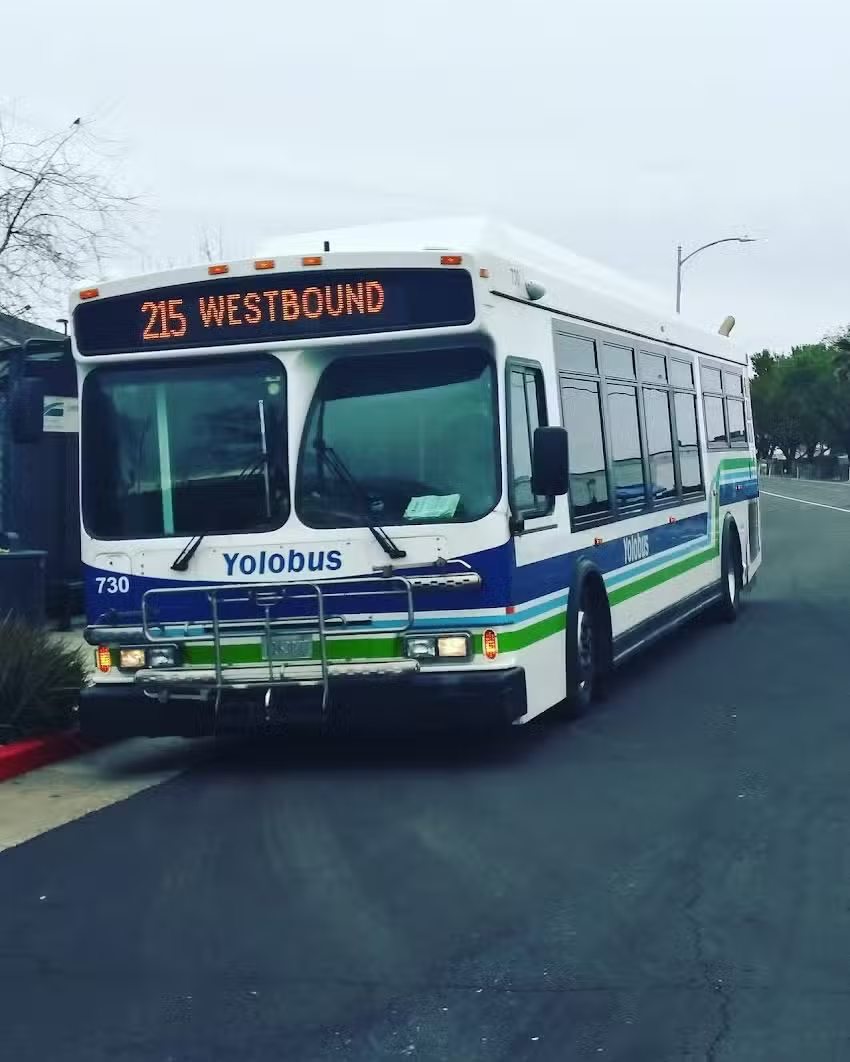
Yolo Bus
BackYolo Bus, officially operating as the Yolo County Transportation District (YCTD), serves as a fundamental provider of public transportation for residents and visitors in Woodland, CA, and the broader Yolo County area. Located at 352 Industrial Way, the service offers a network of bus routes designed to connect communities, facilitate daily commutes, and provide access to key regional destinations. As a travel agency focused on local mobility, it presents itself as a practical solution for affordable travel, but a closer examination of its operations, based on extensive customer feedback, reveals a service with significant strengths and equally significant weaknesses that potential riders should carefully consider.
Core Services and Route Network
On paper, Yolo Bus provides a comprehensive suite of travel services. Its network includes numerous fixed routes that connect cities like Woodland, Davis, West Sacramento, and Winters, along with crucial links to downtown Sacramento and the Sacramento International Airport (SMF). This makes it a potentially vital option for both daily commuters and tourists seeking access to air travel. The availability of clear schedules and route maps on their official website, yolobus.com, is a useful tool for initial travel planning. The company also offers specialized options, such as paratransit services under the name YOLOBUS SPECIAL, designed to cater to seniors and individuals with disabilities, a critical component of inclusive special needs transportation.
A Deep Dive into the Customer Experience
Despite the extensive network, the overall customer sentiment surrounding Yolo Bus is decidedly mixed, leaning heavily towards negative. The service holds a low aggregate rating based on numerous user reviews, which paint a picture of a transit system struggling with consistency and customer care. While some long-term riders have noted marginal improvements over the years, the overwhelming volume of recent feedback points to persistent and serious issues.
The Pervasive Problem of Punctuality
The most frequently cited and damaging complaint against Yolo Bus is its lack of punctuality. Across multiple reviews, riders describe buses as being chronically late. This issue appears to be systemic, affecting various bus routes, including the 42A and 42B, and even impacting the very first runs of the day, which are typically expected to be on time. Customers report delays ranging from a few minutes to upwards of 45 minutes, a level of unpredictability that can derail a person's entire day. For daily commuters, this unreliability is a major source of frustration. For travelers heading to the airport or individuals with scheduled appointments, the consequences can be far more severe, potentially leading to missed flights or critical medical visits. While the company reportedly has a policy allowing for a 15-minute window (early or late), users claim this is frequently violated without explanation.
Quality of Customer and Dispatch Services
Interactions with staff, both on the buses and in the dispatch office, are another area of major concern. Multiple riders have characterized drivers and dispatchers as rude, surly, or unhelpful. One user detailed being put on hold for over 15 minutes by dispatch, only to receive no useful information. Another recounted catching a dispatcher in a lie about a bus's location, eroding trust in the very system designed to provide assistance. This lack of professional and empathetic service detracts from the overall experience and can be particularly distressing for passengers who are already stressed due to a late bus or a confusing detour. This feedback suggests a systemic issue in customer service training and management within the organization's commuter services.
Vehicle Conditions and Onboard Amenities
The physical state of the fleet also draws criticism. Riders have described the buses as dirty and providing a "rough running" experience, indicating potential maintenance issues beyond the essential mechanics. Furthermore, advertised amenities that are standard in modern transit systems often fall short of expectations. The onboard Wi-Fi service is reportedly non-functional on many vehicles, a significant inconvenience for students and professionals who rely on connectivity during their commute. Additionally, technical failures with the card swipe systems have been reported, creating payment hassles for passengers and potentially impacting the agency's revenue collection. These details, while seemingly minor, contribute to an impression of a service that is not keeping pace with modern standards for tourist transportation and daily transit.
Specialized Transportation: A Critical Failure?
Perhaps the most alarming feedback comes from those who rely on Yolo Bus for special needs transportation. A review from an employee at a skilled nursing facility provides a harrowing account of the paratransit service's failures. The report alleges that buses are consistently late to transport elderly residents to their medical appointments. Even more troubling is the claim that drivers arrive for the return trip early and refuse to wait if the resident is not immediately ready, creating a high-stress situation for vulnerable individuals. If accurate, this represents a profound failure to meet the essential needs of the community's most vulnerable members and calls into question the reliability of the service for any form of group travel involving passengers with specific needs.
Bright Spots and Available Resources
In the interest of a balanced view, it is important to note the few positive points that have been raised. One long-time rider, while still critical of the current state of the service, did acknowledge that bus maintenance has improved over the last decade, with fewer mechanical breakdowns on the road. This suggests that some investments in the fleet's core functionality have been made. The same reviewer also noted an improvement in driver attitudes compared to previous years, indicating that efforts to address personnel issues may have had some limited success.
The Yolo Bus website also offers a bus tracker, a modern tool intended to provide real-time location data for passengers. This feature can be invaluable for travel planning, allowing riders to see exactly where their bus is. However, its effectiveness is undermined by reports that drivers sometimes fail to turn on their GPS units, rendering the tracker useless and leaving passengers completely in the dark.
Conclusion for the Potential Rider
Yolo Bus operates an essential transportation network that provides a vital service to thousands in Yolo County. It offers an affordable alternative to personal vehicles and connects communities to important economic and travel hubs. However, any potential rider must approach this service with caution and managed expectations. The widespread and consistent reports of severe tardiness, poor customer service, and unreliable specialized services cannot be ignored.
If you plan to use Yolo Bus, it is highly advisable to build significant buffer time into your schedule, particularly if you have an inflexible deadline. Utilize the online bus tracker but be prepared for it to be unavailable. For those considering the paratransit services for elderly or disabled individuals, seeking direct confirmation of policies and potentially exploring alternative transportation options may be a prudent course of action. Ultimately, Yolo Bus remains a functional local transit system, but its performance issues prevent it from being a truly reliable one.