West Thumb Information Station
BackSituated directly on the shores of Yellowstone Lake, the West Thumb Information Station serves as the primary entry point to the West Thumb Geyser Basin, one of the park's most visually distinct geothermal areas. Housed in a historic ranger station built in 1925, this facility offers more than just maps and pamphlets; it provides a crucial context for the unique natural phenomena surrounding it. While it is categorized as a travel agency, its role is not to book commercial tours but to act as an essential resource for information and safety, making it a vital stop for effective Yellowstone travel planning.
Visitors consistently rate their experience here highly, frequently citing the helpfulness and kindness of the park rangers. These staff members offer valuable insights into the geyser basin's features, current conditions, and wildlife activity. For travelers undertaking self-directed national park tours, this expert advice is indispensable for both enhancing the visit and ensuring safety in a dynamic geothermal environment. The station itself is a small, well-maintained building that includes clean restrooms, a bookstore with souvenirs, and informational displays that prepare visitors for the boardwalk loop just outside.
The Visitor Experience: Scenery and Accessibility
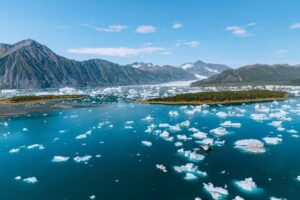
The primary draw of this location is the West Thumb Geyser Basin itself, which offers a unique juxtaposition of geothermal activity and the vast, cold waters of Yellowstone Lake. The basin was formed by a volcanic explosion approximately 174,000 years ago, creating a caldera that later filled with water. This history results in a landscape where hot springs, mud pots, and fumaroles are located at the very edge of the lake, with some features even extending into the water. This creates a surreal visual of steam rising from the deep blue surface, a sight not found in other major geyser basins within the park.
The main boardwalk trail is a relatively short and easy loop, estimated at around one mile, which can be comfortably completed in 30 to 60 minutes. Its flat, well-maintained surface, including handrails, makes it accessible for families with young children, seniors, and visitors using wheelchairs. This accessibility is a significant advantage, allowing a wide range of visitors to witness the area's features without undertaking a strenuous hike. Despite its short length, the trail is packed with a dense concentration of colorful and varied thermal features, from the milky, bubbling Thumb Paint Pots to the deep, mesmerizing hues of the Abyss Pool and Black Pool.
Notable Geothermal Features
Among the most famous features is the Fishing Cone, a hot spring shaped like a cone that sits just offshore. Historically, it gained fame from tales of early mountain men and explorers who would allegedly catch a fish from the cold lake and cook it on the hook by dipping it into the cone's boiling water. This practice has long been prohibited for safety and conservation reasons, but the story adds a layer of historical intrigue to the visit. Depending on the lake's water level, particularly in the spring, the cone may be partially or fully submerged, transforming from a distinct structure into a bubbling patch on the lake's surface.
Opportunities for Nature and Wildlife Observation
Beyond the geothermal wonders, the West Thumb area is a rich habitat for wildlife, offering a different kind of adventure travel experience. The unique ecosystem where hot springs meet the lake attracts a variety of animals. Visitors frequently report sightings of elk, particularly cows with their calves in the spring, and bison grazing near the thermal areas. The location is considered a prime spot to see both elk and moose. The open sightlines across the lake also make it an excellent location for birdwatching. Species such as bald eagles, ospreys, common loons, and various ducks are often seen in or around the water. One visitor fondly recalled seeing a vibrant mountain bluebird against the stark thermal landscape, highlighting the area's surprising biodiversity.
Potential Downsides and Considerations
While the West Thumb Information Station and its adjacent geyser basin offer a remarkable experience, potential visitors should be aware of several factors. First, the facility's services are limited. It is an information station and a small bookstore, not a full-service visitor center like those found at Grant Village or Old Faithful. There are no restaurants or extensive lodging options on-site, so visitors should plan their meals and other needs accordingly.
Second, the popularity of the site can lead to crowding, especially during peak summer hours between 8 a.m. and 6 p.m. While some visitors have enjoyed a quieter, less congested experience compared to other Yellowstone landmarks, this is not always guaranteed. To avoid the largest crowds, arriving early in the morning or later in the evening is advisable. Furthermore, while the short boardwalk is a benefit for many, those seeking long, immersive hiking experiences may find it brief. It is best viewed as a compelling and essential stop rather than an all-day destination.
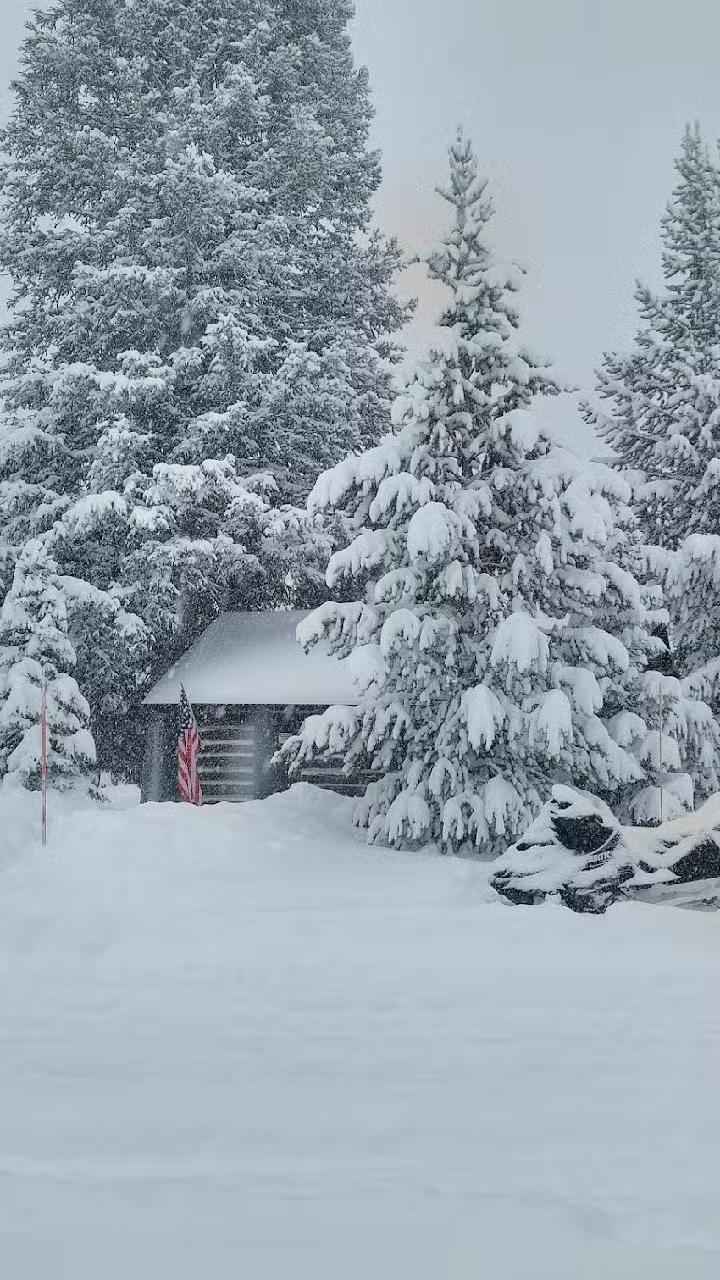
Finally, the operational status of the information station is seasonal, typically open from late spring through late fall. In winter, the building may serve as a warming hut for visitors arriving via snowmobile or snowcoach, but services are minimal. Travelers planning trips outside the summer season should verify hours and accessibility in advance. It's also important to remember that this is an active and dangerous geothermal area; staying strictly on the boardwalk is mandatory for safety, as the ground is unstable and the water is scalding hot.
Conclusion: An Essential Yellowstone Stop
The West Thumb Information Station is far more than a simple rest stop; it is the gateway to one of Yellowstone's most unique and serene landscapes. It successfully combines fascinating geology, rich history, accessible viewing, and excellent opportunities for wildlife observation. While it may lack the explosive drama of Old Faithful or the vast scale of the Upper Geyser Basin, its tranquil, lakeside setting provides a different and deeply memorable perspective on the park's thermal activity. For those involved in tourism and looking to build a comprehensive Yellowstone itinerary, this location should be considered a must-see. It's a place where the powerful forces of fire and water meet, offering a potent reminder of the dynamic nature that defines this iconic national park.