Washita Battlefield Visitor Center
BackThe Washita Battlefield Visitor Center, operated by the National Park Service in Cheyenne, Oklahoma, serves as a crucial starting point for anyone engaging in historical tourism related to the American Indian Wars. It is not a typical recreational destination but a place of solemn remembrance and education, documenting the surprise attack by Lt. Col. George Armstrong Custer's 7th U.S. Cavalry on the Southern Cheyenne village of Chief Black Kettle on November 27, 1868. The high visitor rating of 4.7 stars reflects a facility that successfully manages its difficult subject matter, providing a valuable experience for those undertaking road trips through the region or planning specific cultural travel itineraries.
The Facility and On-Site Experience
Visitors consistently praise the center for being a modern, clean, and well-maintained building. The comfort of air conditioning, coupled with accessible restrooms and a gift shop, provides a welcome environment for travelers. The staff, particularly the Park Rangers, receive frequent commendation for being exceptionally helpful, knowledgeable, and approachable. This level of service transforms the center from a simple museum into a functional tourist information center, where visitors can get detailed explanations and even collect brochures for other National Historic Sites in adjoining states, aiding in broader travel planning.
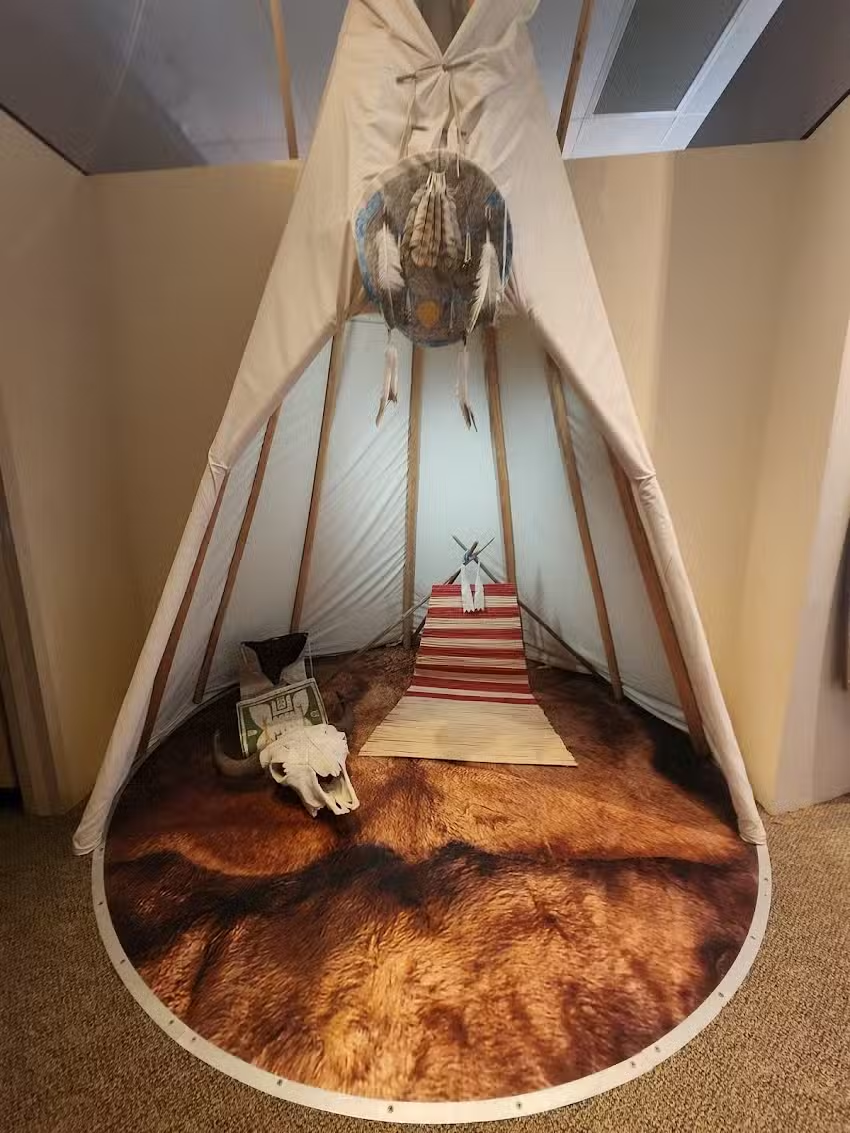
A significant highlight of the visitor center is its educational content. The experience often begins with the 27-minute film, "Destiny at Dawn," which provides essential context about the events leading up to the battle. This film is considered a must-see for orienting oneself to the complex and tragic history of the site. The museum exhibits are thoughtfully designed, featuring artifacts and displays that tell the story from multiple perspectives. For those participating in national park tours, the center is also a stop for the popular National Park Passport Stamp program, adding another layer of engagement for dedicated travelers.
Understanding the Historical Significance
It is impossible to review the center without acknowledging its somber backstory. The event is often referred to as a massacre, a brutal attack on a village that included women, children, and the elderly. Chief Black Kettle was a known advocate for peace, making the attack particularly tragic and controversial. The center does not shy away from this complexity. It presents the historical clash of cultures with a respectful and informative tone, encouraging reflection rather than celebration. This approach is vital for visitors to understand that they are at a site of profound loss and historical weight, a key consideration for any tour operator arranging visits to sensitive locations.
Outdoor Components: Trails and Grounds
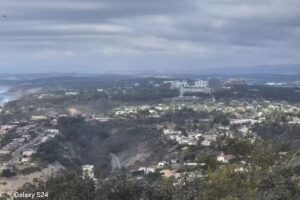
Beyond the building, the grounds are beautifully maintained, offering views of the Washita River Valley and opportunities for wildlife viewing amidst the prairie landscape. The primary outdoor activity is a 1.5-mile self-guided interpretive trail. This trail is not located directly at the visitor center but is a short drive down the road, situated at an overlook with its own parking area. It winds through the actual battlefield area, providing a direct connection to the historical events. This element is appealing to those who combine historical interest with light adventure travel or hiking.
A Point of Confusion: Navigational Challenges
Herein lies the most significant piece of negative feedback. Several visitors have reported difficulty in locating the trailhead for the main battlefield overlook. The signage directing people from the visitor center to the separate trail location is described as inadequate or non-existent. This can lead to frustration and missed opportunities for those who are unaware that the two key components of the park are physically separate. For effective itinerary planning, visitors should be aware of this beforehand: first, visit the center for context and information, and then drive to the trail overlook. Improved signage would greatly enhance the visitor experience and prevent the confusion noted in reviews. Despite this logistical issue, the trail itself is praised for being informative and impactful.
Conclusion and Recommendations
The Washita Battlefield Visitor Center is a high-quality institution that excels in its mission of preservation and education. It stands out as an essential destination for anyone interested in American history, Native American culture, and the complex legacy of westward expansion.
- Strengths:
- An exceptionally informative and helpful staff of Park Rangers.
- A clean, modern, and accessible facility with good amenities.
- Excellent educational resources, including a powerful introductory film and well-curated exhibits.
- Beautiful, well-kept grounds in a serene natural setting.
- Weaknesses:
- Poor signage between the main visitor center and the separate battlefield trail overlook, which can cause confusion and frustration for first-time visitors.
Ultimately, this center functions as a specialized travel agency for the past, offering the tools and knowledge necessary to comprehend a pivotal and painful moment in history. While the subject matter is heavy, the experience is profoundly valuable. Prospective visitors should plan to dedicate time to both the visitor center and the separate trail to fully appreciate the site. With the foreknowledge of the site's layout, the navigational challenge can be easily overcome, making for a deeply memorable and educational stop.