
Visit Baltimore
BackWhen considering a trip, the first point of contact for many is a local travel agency or tourism board. In Baltimore, that entity is Visit Baltimore, located at 400 E Pratt St. However, classifying it merely as a travel office would be a significant understatement and could set incorrect expectations for potential visitors. It is, in fact, the city's official destination marketing organization (DMO), a non-profit entity tasked with promoting the city, attracting visitor spending, and enhancing the local economy. This distinction is crucial for any traveler to understand, as it defines both the strengths and weaknesses of the services it provides.
The Role and Strengths of Visit Baltimore
As a DMO, Visit Baltimore's primary function is not to sell you intricate vacation packages or book flights, but rather to sell you on the city itself. Its mission involves creating jobs, supporting local businesses, and generating revenue for the city and state through tourism. This community-centric approach is a significant advantage for travelers looking for an authentic experience. The information and resources provided are designed to showcase the best of the city, from major attractions to local neighborhood gems, thereby encouraging a deeper and more supportive form of travel.
A Hub for Information and Practical Amenities
For those who have just arrived in the city, the physical presence of a visitor center is invaluable, and Visit Baltimore provides just that. While its main office is on the 10th floor, it also manages the Baltimore Visitor Center on Light Street. This is where the organization truly shines for the on-the-ground tourist. Based on visitor feedback, the center is more than just a rack of pamphlets. It's a comprehensive resource offering historical information, details about nearby attractions, and personalized advice from staff and volunteers. One of the most frequently praised aspects is the availability of practical, and often overlooked, traveler needs. The center provides free charging stations for mobile devices, public restrooms, and complimentary Wi-Fi, all of which are immensely helpful during a long day of sightseeing. These amenities demonstrate a thoughtful approach to the visitor experience that goes beyond simple marketing.
Furthermore, the staff's helpfulness has been specifically noted. One visitor highlighted the excellent service from a receptionist named Chandler, reinforcing the idea that the organization values positive, direct interaction with the public. This level of customer service is a cornerstone of effective travel planning assistance. The center also sells souvenirs and postage stamps, making it a convenient stop for practical needs before heading home.
Community-Focused and Accessible
The organization's mission to uplift the Baltimore community is not just a corporate statement; it's a tangible part of its operations. By promoting a wide range of local businesses, from hotels to restaurants and cultural attractions, it acts as a crucial link between tourists and the local economy. For travelers who are increasingly conscious of their economic impact, engaging with a DMO like Visit Baltimore ensures that their spending is more likely to benefit the people who live and work in the city. This commitment to social inclusion is a stated core value, aiming to make Baltimore a welcoming place for all visitors. The wheelchair-accessible entrance at their facilities is a practical manifestation of this commitment, ensuring that travelers with mobility challenges can access their resources without issue.
Considerations and Potential Drawbacks
Despite its many strengths, Visit Baltimore's nature as a DMO rather than a commercial tour operator presents several limitations that potential visitors must be aware of. These are not failures of the organization, but rather functional realities that can impact a traveler's plans if not properly understood.
Limited Operating Hours: A Major Hurdle
Perhaps the most significant drawback for leisure travelers is the operating schedule. The main office operates on a standard 9:00 AM to 5:00 PM schedule, Monday through Friday, and is closed on weekends. While the dedicated Baltimore Visitor Center has broader hours, often open Tuesday through Sunday, it is still subject to closures for holidays and special events like the Baltimore Running Festival. This is a critical piece of information, as the majority of tourists and families plan their visits and activities over the weekend. Arriving in the city on a Saturday morning with the intention of stopping by for maps and advice could lead to disappointment. This schedule is more aligned with a corporate or convention-focused clientele than with the typical leisure tourist, and it requires travelers to do their travel planning in advance by checking the specific Visitor Center hours online before their trip.
Not a One-Stop Booking Agency
Travelers accustomed to full-service agencies that can arrange every detail of a trip will need to adjust their expectations. Visit Baltimore is not a holiday planner in the traditional sense. While they provide extensive information and can help with ticketing services for local attractions, you cannot book flights, comprehensive multi-day guided tours, or complex itineraries for international travel through them. Their role is to provide the tools and information for you to build your own adventure. Their website, baltimore.org, is a rich resource for this, but it places the onus of booking and coordination squarely on the traveler. Those looking for an all-inclusive, hands-off planning experience will need to engage a commercial travel agent.
Information vs. Unfiltered Reality
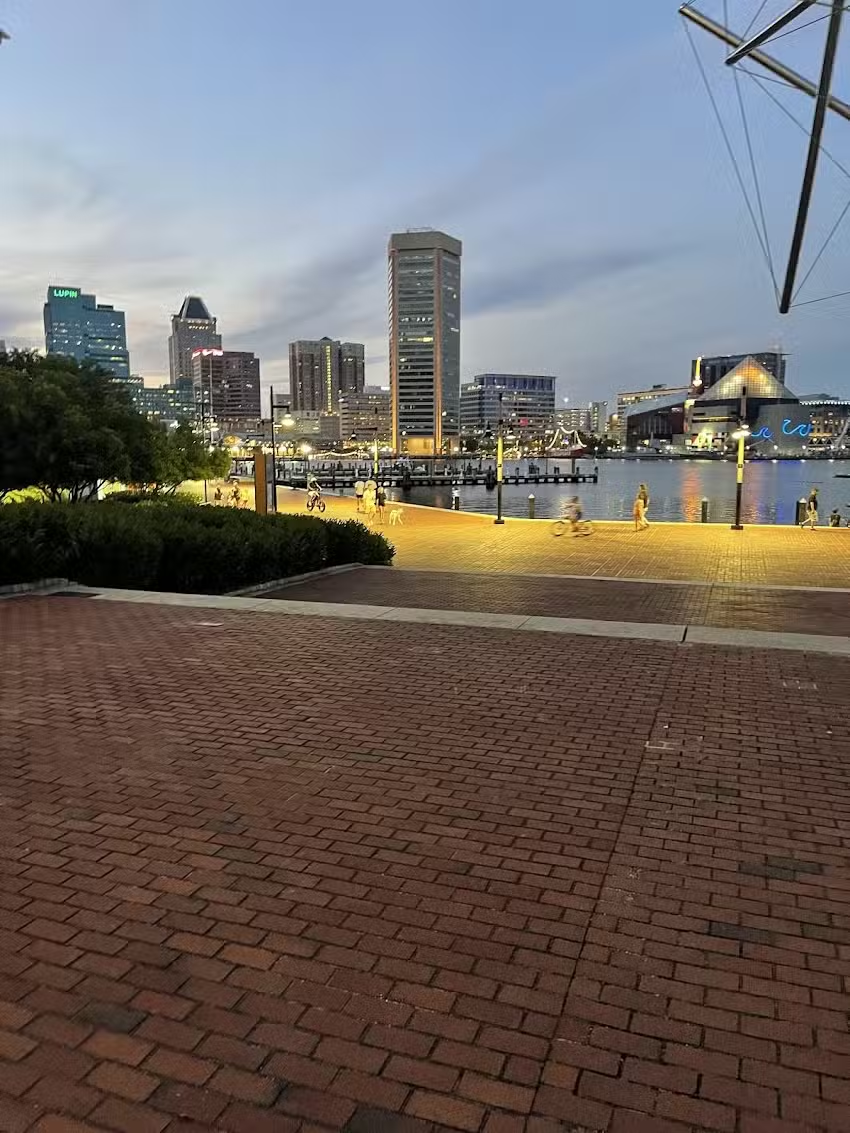
As a marketing organization, Visit Baltimore's purpose is to present the city in the best possible light. The information provided will naturally be curated to highlight positive attributes and attractions. While this is excellent for discovering points of interest, it may not provide the full, unfiltered picture that some travelers seek from peer reviews. For example, while reviews of the Inner Harbor area mention a strong security presence and a great atmosphere, a DMO is less likely to proactively detail the city's more complex social issues or advise on specific areas to avoid, which are topics often found on independent travel forums. Visitors should use Visit Baltimore as a primary resource for what to do and see, but supplement it with independent research to gain a more rounded perspective of the destination.
In conclusion, Visit Baltimore serves as an indispensable asset for anyone planning a trip to the city, provided its role is clearly understood. It is not a conventional travel agency but a powerful destination management organization dedicated to showcasing its city and supporting its community. Its strengths lie in providing high-quality, reliable information, excellent on-the-ground visitor services with thoughtful amenities, and a direct connection to the local economy. However, its limitations, particularly the restrictive operating hours and its function as a promoter rather than a full-service booking agent, require travelers to be proactive and plan accordingly. For the informed traveler, Visit Baltimore should be the first port of call to gather the necessary resources to construct a memorable and authentic Baltimore experience.