
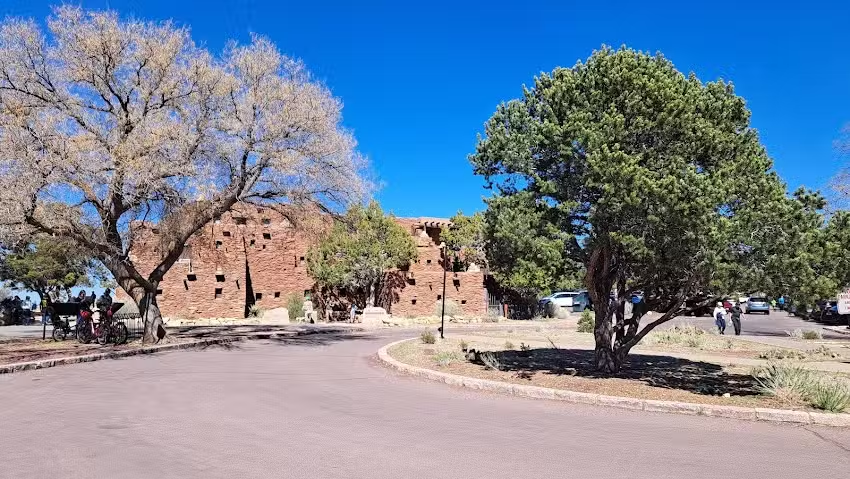
Verkamp’s Visitor Center
BackPositioned just steps from the edge of the South Rim, Verkamp's Visitor Center offers a distinct alternative to the typical park information hub. It functions as a hybrid institution: part museum, part tourist information center, and part retail store, all housed within a building that is itself a significant piece of Grand Canyon history. Originally established as a curio shop by John Verkamp in 1906, the building was acquired by the National Park Service in 2008 and repurposed to tell the story of the community that grew on the canyon's edge. This dual identity is its greatest strength and, for some, its primary limitation.
A Deep Dive into Grand Canyon's Human History
The primary draw of Verkamp's is its focus on the pioneer history of Grand Canyon Village. Unlike other centers that may concentrate on geology or ecology, the exhibits here are dedicated to the human element—the lives, struggles, and entrepreneurship of early settlers and developers. Visitors often praise the well-curated displays that chronicle the area's evolution. A notable feature is a timeline integrated into the floor, allowing you to literally walk through the history of the community, contextualizing local events with national and global milestones. This narrative approach provides a rich layer of understanding that complements the natural spectacle outside its doors. The atmosphere is frequently described as intimate and "homey," a stark contrast to larger, more impersonal facilities, making the experience feel more personal and less overwhelming.
The Role of Staff in Trip Planning
A significant asset highlighted by numerous visitors is the staff. The park rangers and volunteers at Verkamp's are consistently lauded for being exceptionally knowledgeable, friendly, and helpful. They serve as an invaluable resource for visitors, functioning much like a travel consultation service on the ground. Patrons report receiving detailed answers on a wide range of topics, from rock formations and hiking trails to stargazing opportunities and park logistics. This level of personalized assistance is crucial for anyone looking to organize their time effectively, whether they are planning a short visit or more extensive adventure travel into the canyon. The staff's ability to engage with all visitors, including making the Junior Ranger program a memorable experience for children, underscores their role in enhancing the overall visit.
Practical Strengths and Location Advantages
Strategically located in the heart of the Grand Canyon Village Historic District, Verkamp's is easily accessible from the train depot, major lodges like El Tovar, and the Rim Trail. This prime location makes it a convenient first stop or a final point of interest. The building is wheelchair accessible and contains essential amenities, including public restrooms located in a separate building just behind the center and a water bottle filling station outside. The gift shop, operated by the Grand Canyon Conservancy, moves beyond generic souvenirs, offering a curated selection of books, local crafts, and unique items that reflect the historical theme of the center, providing a more meaningful retail experience.
Potential Drawbacks and Considerations
While its unique qualities are celebrated, potential visitors should be aware of certain limitations. The most frequently mentioned point is the center's size. Described as a "mini museum" or "great little museum," its compact nature means the exhibits are not as exhaustive as those in a larger institution. For travelers seeking a comprehensive, all-encompassing overview of every aspect of the Grand Canyon, Verkamp's might feel too specialized. Its focus is narrow, concentrating specifically on the community history, which may not appeal to everyone.
Managing Expectations
The intimate atmosphere, while a positive for many, can also mean the space feels crowded during peak hours. Given its prime location, high foot traffic is inevitable, and the small exhibit rooms can fill up quickly. Furthermore, while amenities are available, they are subject to the same operational issues as any park facility. For instance, one visitor noted the outdoor water bottle filling station was out of service due to construction, a minor inconvenience that can impact a day's plan. It’s a reminder that while the historical experience is well-preserved, practical elements can be unpredictable.
Conclusion: A Niche but Valuable Resource
Verkamp's Visitor Center successfully carves out a unique niche for itself. It is not trying to be the main, sprawling visitor center. Instead, it offers a focused, story-driven experience that enriches the visitor's understanding of the Grand Canyon as a living community, not just a geological formation. It excels as a specialized tourist information center where visitors can engage in meaningful trip planning with highly competent staff. For those interested in the human history behind the monumental landscape, or for families looking for an engaging and educational stop, Verkamp's is an essential destination. However, travelers with limited time or those seeking a broad scientific overview may find other park facilities better suited to their needs. It stands as a testament to the idea that sometimes the most compelling stories are not about the scale of nature, but about the people who chose to live alongside it.
