U.S. Weather Bureau Station
BackLocated in Hatteras, North Carolina, the U.S. Weather Bureau Station presents a unique proposition for travelers. It is not a conventional travel agency, but its role as a historical landmark and a functional tourist information center makes it an essential stop for anyone serious about their vacation planning in the Outer Banks. This beautifully restored yellow building, constructed in 1901 and operational by 1902, offers far more than just brochures; it provides a profound connection to the maritime history that defines this coastal region.
A Dual Identity: Museum and Information Hub
The primary appeal of the station is its rich, layered history. For nearly half a century, until its decommissioning in 1946, this facility was a critical node in the nation's burgeoning meteorological network. Its strategic position, where the powerful Gulf Stream and the cold Labrador Current converge, made it one of the most important outposts for forecasting weather along the Atlantic seaboard. Visitors can step inside and feel the weight of that history, imagining the lives of the weathermen and their families who resided within its walls, dutifully recording data that was vital for maritime safety in an era before advanced technology.
However, what elevates this station from a simple point of interest to a crucial part of local tourism is its startling connection to one of history's most infamous maritime disasters. On the night of April 14, 1912, at approximately 11:25 p.m., operators Richard Dailey and Horace Gaskins received a faint, urgent wireless message: "CQD: Have Struck Iceberg." It was the initial distress call from the RMS Titanic. The Hatteras station is the only known land-based station in the United States to have received this first call for help. This incredible piece of history, nearly lost and only rediscovered in 2009 when the logbook page was found rolled up as insulation within a wall during restoration, adds a somber and compelling dimension to the visit. While the original log is now displayed at the Graveyard of the Atlantic Museum, the station itself is the very place where that world-changing message was first heard on American soil.
The Visitor Experience: What to Expect Inside
Beyond its dramatic history, the station excels in its modern-day role as a welcome center operated by the Outer Banks Visitors Bureau. The staff is frequently praised for being friendly, knowledgeable, and helpful, offering more than just directions. They provide local insights and stories that enrich a visitor's understanding of the area. The interior, though compact, is thoughtfully arranged. One room is dedicated to providing practical tourist information—maps, event schedules, and attraction details essential for effective itinerary planning. Other rooms function as a mini-museum, featuring artifacts and displays that narrate the history of Hatteras village and the national maritime sanctuary.
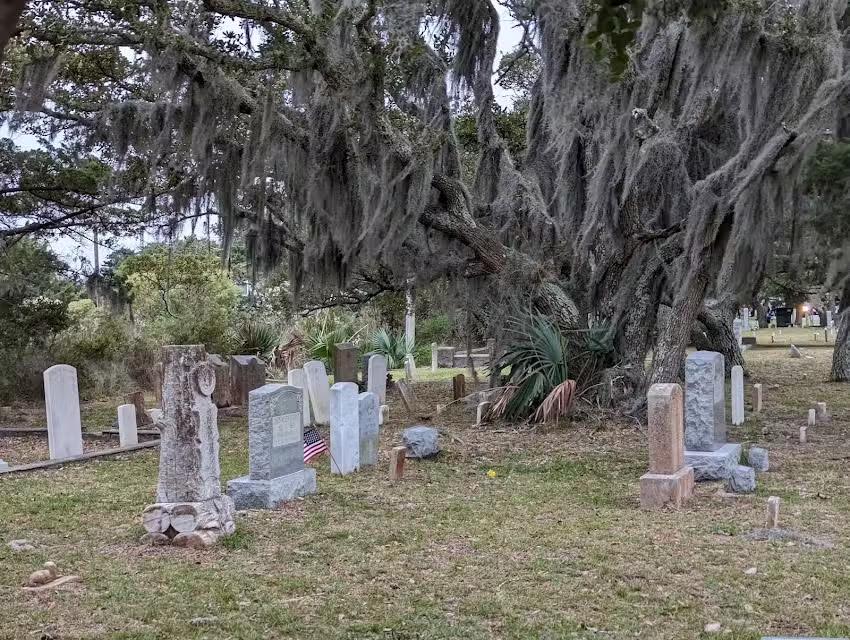
The restoration of the building has been meticulous, preserving original features like the stairs and pantry, which gives visitors an authentic sense of the early 20th century. This commitment to preservation makes the 30-minute visit feel substantial and worthwhile. For collectors and families, the station also offers a passport stamp, a small but appreciated touch. Behind the main building, visitors can respectfully observe the old town cemetery, a quiet space that further grounds the location in its local heritage.
Potential Downsides and Practical Considerations
Despite its high ratings and historical significance, a visit to the U.S. Weather Bureau Station is not without its challenges. The most significant and frequently mentioned drawback is the difficulty in locating it. Multiple visitors have reported that a lack of adequate road signage makes finding the station unnecessarily complicated. For those planning to visit, relying on a GPS and the address—57190 Kohler Rd, Hatteras, NC 27943—is highly recommended rather than hoping to spot it from the main road. This is a critical piece of information for any traveler's destination management plan.
Furthermore, visitors should manage their expectations regarding the scope of the exhibits. While fascinating, this is a small, historic house, not a large, interactive museum. Some have expressed a desire to see more of the original meteorological equipment used at the station. The current displays are more focused on historical narratives and artifacts related to the town and its maritime past. It is an experience centered on atmosphere, history, and information rather than an extensive collection of technical hardware. This makes it an ideal stop for those interested in historical tours and authentic local culture, but perhaps less engaging for those seeking a more dynamic, hands-on museum experience.
The Final Verdict for Travelers
For potential clients of any travel agency or for independent travelers crafting their own Outer Banks adventure, the U.S. Weather Bureau Station is a highly recommended stop that offers exceptional value. Its flaws are logistical rather than experiential. The difficulty in finding it is a genuine inconvenience, but one that is easily overcome with modern navigation tools. The niche focus of its exhibits is a matter of taste, but its profound historical importance—especially the Titanic connection—gives it a broad and compelling appeal.
Ultimately, the station succeeds brilliantly in its dual mission. It preserves a vital piece of American history while serving the contemporary needs of tourists. It’s a place where you can spend half an hour absorbing a story of global significance and then walk out with a map and a plan for the rest of your day in the Outer Banks. It stands as one of the most unique local attractions, offering a quiet, thoughtful, and deeply resonant experience that contrasts with more conventional beachside activities. Its blend of historical gravitas and practical assistance makes it an invaluable asset for any visitor to Hatteras.