
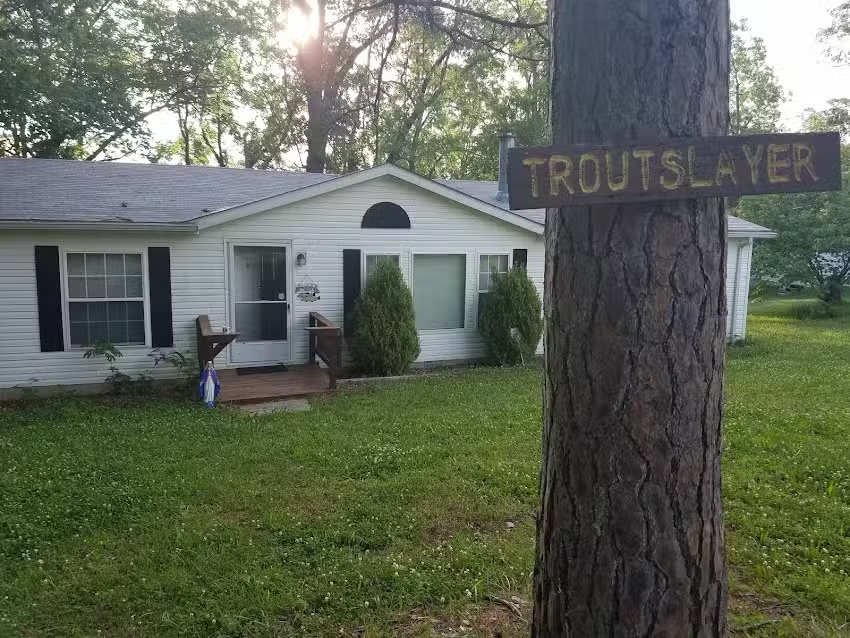
Troutslayer Cabin
BackTroutslayer Cabin in Salem, Missouri, presents a compelling yet enigmatic option for travelers. Its name alone conjures images of rustic charm and successful angling expeditions, positioning it as a potentially ideal base for those looking to engage with the region's renowned natural attractions. However, prospective guests will find that securing a stay here requires a level of persistence and a willingness to operate with very limited information, a significant departure from the transparent and accessible booking processes common in modern tourist accommodations.
A Niche Appeal for Outdoor Enthusiasts
The primary strength of Troutslayer Cabin lies in its branding and implied location. The name is a direct and effective piece of marketing, immediately signaling its purpose to a specific demographic: anglers. The Salem area is a well-regarded destination for trout fishing, with access to prominent waterways like the Current River. For individuals or groups planning dedicated fishing trips, a lodging option that embraces this identity is highly appealing. It suggests a focus and perhaps even amenities tailored to their needs, distinguishing it from generic hotels or motels.
This specialization is a key component of modern adventure travel, where the accommodation is not just a place to sleep but an integral part of the experience. The allure of a private cabin offers seclusion and an immersive natural setting that many travelers seek. After a day on the river, the prospect of returning to a quiet, personal space is a significant draw. This property is not trying to be a one-size-fits-all solution; it’s a targeted offering for those whose holiday planning revolves around outdoor recreation.
The Challenge: A Scarcity of Information
Despite its promising concept, the most significant hurdle for any potential visitor is the profound lack of accessible information. In an era where travelers expect to find comprehensive websites, photo galleries, amenity lists, and online booking portals, Troutslayer Cabin maintains an almost non-existent digital footprint. The business is listed as operational, yet there is no official website, social media presence, or listings on major third-party booking platforms like Airbnb or Vrbo that are readily found. This information vacuum creates several problems for those considering a stay.
- Uncertainty about Amenities: What does the cabin include? Potential guests are left to guess about basic facilities such as the number of beds, kitchen equipment, Wi-Fi availability, air conditioning, and specific policies regarding pets or check-in times. This makes effective trip planning nearly impossible.
- No Clear Booking Process: Without a direct booking channel, the path to making a reservation is completely obscured. This forces interested parties into a frustrating search for a phone number or contact person, a significant barrier that will deter most modern consumers. Efficient travel arrangements are simply not possible under these conditions.
- Inability to Verify Quality: Photos provide a glimpse, but they are often curated. Without a wealth of user-submitted photos and detailed, recent reviews, it's difficult to gauge the current state of the property's maintenance and cleanliness.
Analyzing the Customer Feedback
The available online reviews offer a small window into the guest experience, but they also raise more questions than they answer. The property holds a high numerical rating of 4.7 out of 5 stars on its Google profile, which at first glance is impressive. However, this rating is derived from only three reviews, which presents a very small and potentially unreliable sample size.
A closer look reveals further concerns. The most recent text-based review, stating simply "Nice cabin," was left over six years ago. While positive, its age diminishes its relevance to the cabin's current condition. The other two reviews, both awarding five stars, contain no text at all. More importantly, a potential conflict of interest arises when observing the names associated with the property's online presence. The photos attributed on the listing are from individuals with the surname "Klaesner," and one of the five-star, textless reviews is from a user with the same last name. While this is not definitive proof of impropriety, it is a factor that discerning customers will notice. Travelers rely on impartial peer reviews to make informed decisions, and the suggestion that ratings may be influenced by owners or affiliates can undermine trust. For any business offering lodging services, transparency is paramount, and this ambiguity is a distinct disadvantage.
Who is This Cabin For?
Considering the pros and cons, Troutslayer Cabin is best suited for a very specific type of traveler: the persistent, risk-tolerant adventurer who prioritizes a prime fishing location above all else. This individual is likely familiar with the Salem area and may have a local contact or be willing to do the legwork to find a way to book. They are not looking for elaborate vacation packages but for a simple, rustic base for their outdoor activities. The property could be an excellent fit for a small group of anglers planning a focused nature retreat.
Conversely, this is not a suitable option for families seeking predictable accommodations, first-time visitors to the area who need more guidance, or anyone who values the security and convenience of a standardized booking process. The lack of information and the questions surrounding the reviews make it a gamble for those with less flexibility in their getaway deals and travel plans. A travel agency or a professional in destination management would likely hesitate to recommend this property to clients without a thorough, in-person inspection due to the numerous unknowns.
Final Assessment
Troutslayer Cabin exists as a paradox. It has a name and implied purpose that perfectly targets a lucrative tourism niche in its region. The very idea of it is appealing. Yet, its operational execution in the digital marketplace is severely lacking. The property feels like a holdover from a pre-internet era, relying on word-of-mouth or perhaps a small, local clientele who already know how to make contact.
For prospective customers, the final verdict is one of caution. The cabin might indeed be a wonderful, hidden gem offering a fantastic experience. However, the lack of transparency, the outdated and potentially biased reviews, and the absence of any clear booking method place the burden of discovery entirely on the traveler. It stands as an example of how a potentially great product can be hampered by a failure to engage with the fundamental expectations of today's travel market.