
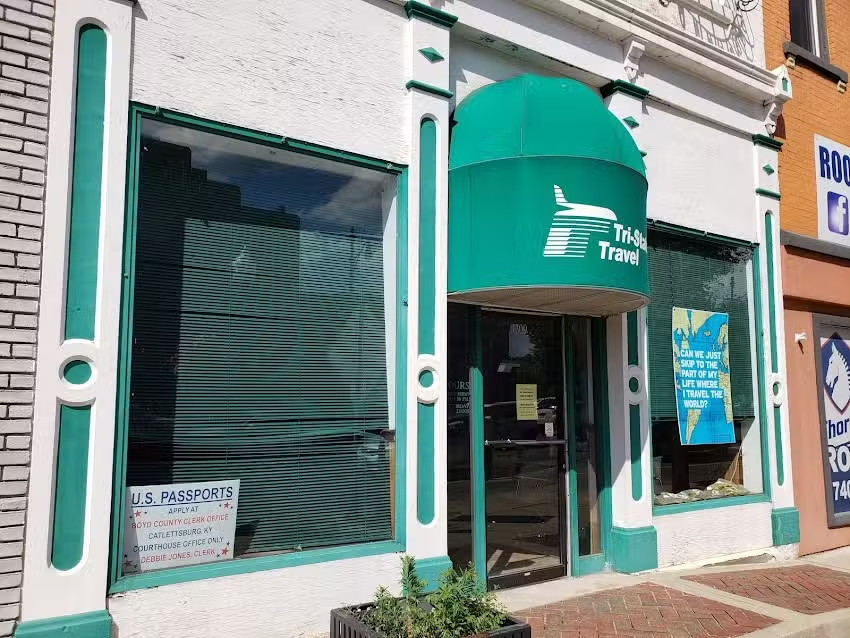
Tri-State Travel Inc
BackLocated at 1309 Winchester Avenue, Tri-State Travel Inc. is a long-established travel agency in Ashland, Kentucky, offering in-person consultations for those looking to arrange their next trip. The agency operates during standard business hours, open from 9:00 AM to 5:00 PM on weekdays and for a short window on Saturday mornings from 10:00 AM to 12:00 PM, remaining closed on Sundays. For potential clients who prefer face-to-face interaction when making significant travel decisions, this physical presence offers a tangible alternative to online-only booking platforms.
Client Experiences and Agency Reputation
When evaluating a service provider, particularly one responsible for planning important and often costly personal events like vacations, customer feedback is a critical resource. The public reputation of Tri-State Travel Inc. presents a complex and predominantly concerning picture. The agency holds a very low aggregate rating based on customer reviews, which suggests a pattern of unsatisfactory experiences. A deep dive into this feedback reveals consistent themes that any prospective client should carefully consider.
On one hand, there is a piece of positive feedback from a client who, several years ago, stated they had always found the staff to be friendly and helpful. This comment suggests that at some point, positive and productive interactions have occurred. It stands as an acknowledgment that not every experience may have been negative. However, this positive account is an outlier and is significantly dated, which raises questions about its relevance to the agency's current operations and service standards.
Significant Concerns Raised in Customer Feedback
The overwhelming majority of available feedback paints a starkly different picture, highlighting critical issues in several key areas of the business. These recurring complaints create a consistent narrative that potential customers should be aware of before engaging with the agency for their travel planning services.
1. Professionalism and Customer Service
A primary function of a travel consultant is to listen to a client's needs, budget, and desires, and then use their expertise to craft a suitable itinerary. Multiple reports suggest a significant deficit in this area at Tri-State Travel Inc. One detailed account describes a phone inquiry about a vacation to Jamaica where the potential client felt they were immediately dismissed for being budget-conscious. Instead of offering solutions or alternative vacation packages, the representative was reportedly short and unprofessional, advising the caller to simply keep searching online for something they could afford. This type of interaction is counterintuitive for a service designed to assist clients, as it discourages business and fosters a negative reputation. It suggests an unwillingness to work with clients who may not be seeking high-end, extravagant options, a core segment of the leisure travel market.
Another review echoes this sentiment of unprofessionalism, describing an in-office experience where the agent allegedly ignored the client's stated wishes. According to the feedback, the agent repeatedly tried to push unwanted travel options, attempting to change the client's mind rather than providing the requested information. This approach can make a client feel unheard and pressured, undermining the trust that is essential between a traveler and their agent. Effective travel planning services depend on collaboration, not high-pressure sales tactics. When an agent fails to respect a client's decisions, it ceases to be a helpful service and becomes a frustrating ordeal.
2. Condition of the Physical Premises
For a business that meets with clients in person, the physical environment is a crucial aspect of its professional image. It is the first tangible impression a customer receives. On this front, Tri-State Travel Inc. has received severe criticism. Multiple reviews from different years describe the office in deeply negative terms. Words like "disgusting," "dirty," and "disheveled" have been used to characterize the interior. One visitor even noted a faint smell of mold. A very recent comment reinforces this perception, bluntly stating that the place "looks like a dump."
This feedback is a major red flag. A poorly maintained office can signal a lack of attention to detail and a general disregard for professionalism, which clients may fear could extend to their booking flights and hotel reservations. It can create an uncomfortable atmosphere for consultations and may deter clients who associate cleanliness and order with competence and reliability. When planning something as detailed as customized itineraries, clients want to feel confident that the agency is organized and meticulous, an impression that a disorderly environment fails to inspire.
What to Weigh Before Choosing This Agency
Potential customers of Tri-State Travel Inc. are faced with a choice. The agency offers the benefit of a local, in-person service, which can be appealing for those who want to discuss complex travel plans or are less comfortable with online booking. However, the volume and consistency of negative feedback regarding both customer service and the state of the office environment cannot be ignored. The issues reported—dismissive attitudes towards budget-conscious travelers, aggressive upselling, and a poorly maintained physical space—are fundamental problems for a client-facing business.
While one positive review for helpfulness exists, it is significantly outweighed by multiple, detailed complaints that span several years, suggesting these are not isolated incidents but potentially systemic issues. Anyone considering this agency for planning all-inclusive resorts stays, cruise deals, or any form of international travel should proceed with caution. It may be prudent to initiate contact with a phone call to gauge the current level of professionalism and helpfulness before committing to an in-office appointment. Ultimately, travelers must decide if the convenience of a local agent is worth the risk highlighted by a clear pattern of public feedback.