
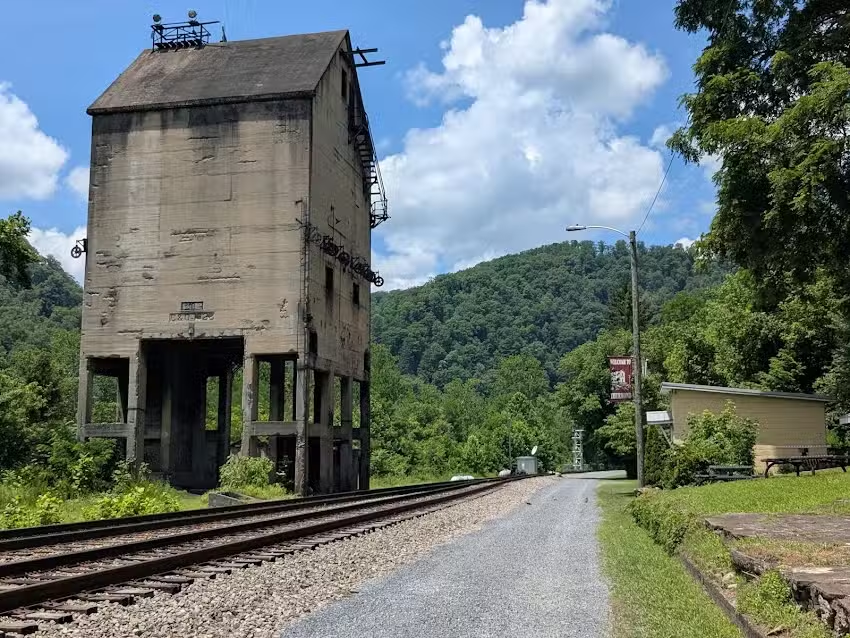
Thurmond Depot Visitor Center
BackThe Thurmond Depot Visitor Center, operated by the National Park Service, serves as a primary tourist attraction for those interested in the industrial heritage of West Virginia. Situated within the New River Gorge National Park and Preserve, this restored railroad depot is not merely a building but a portal to a bygone era, capturing the essence of a town that once pulsed with the energy of coal and steam. For anyone undertaking travel planning related to American railroad history, this center provides a focused and immersive experience.
The center itself is housed in the historic Chesapeake & Ohio Railway depot, meticulously restored to reflect its appearance in the early 1900s. During its peak, Thurmond was a bustling hub, generating more freight revenue than much larger cities like Cincinnati and Richmond, with its depot serving as many as 95,000 passengers annually. Inside, visitors will find a small but well-regarded museum featuring artifacts, historic furnishings, and interpretive exhibits that narrate the compelling story of Thurmond's rise and fall. Many visitors have praised the quality of the information presented, particularly the storyboards and the engaging narratives provided by park rangers, who bring the town's vibrant and sometimes rowdy history to life.
The Immersive Historical Experience
A visit to the Thurmond Depot is an exercise in heritage tourism. The town, now mostly a ghost town with a population in the single digits, offers a tangible connection to the past. The National Park Service has preserved the main commercial row of buildings, allowing visitors to walk along the tracks and imagine a time when 15 passenger trains arrived daily. The constant presence of passing coal trains on the active CSX line adds a dynamic auditory and visual element to the visit, reinforcing the town's enduring link to the railroad. A unique and noteworthy feature is that Thurmond is still an active, albeit lightly used, flag stop for Amtrak's Cardinal line, which runs three times a week between Chicago and New York. This allows for the rare experience of watching a modern passenger train pull into a historic station, connecting the past with the present.
Positive Aspects for Travelers
- Authenticity and Preservation: The NPS has done a commendable job renovating the depot and preserving the townsite. The exhibits effectively convey the history of coal mining and railroading in the New River Gorge.
- Unique Setting: The location is dramatic, squeezed between the New River and a steep hillside. The access via a narrow, one-lane bridge that shares its path with the railroad track is an unforgettable part of the experience.
- Educational Value: For those interested in historical tours, the center provides deep insights into the economic and social dynamics of early 20th-century boomtowns. The story of Thurmond's decline—driven by the shift to diesel engines, the rise of automobiles, and major fires—is a powerful lesson in industrial transition.
- Part of a Larger Destination: As a key site within the New River Gorge National Park and Preserve, the depot can be integrated into a broader itinerary of adventure travel and outdoor recreation, including hiking and whitewater rafting.
Critical Considerations and Drawbacks
Despite its high ratings and historical appeal, potential visitors must consider several significant practical challenges. The most frequently cited issue is accessibility. The road leading to Thurmond is extremely narrow, winding, and steep. Multiple visitor accounts strongly caution against attempting the drive in large vehicles such as RVs, campers, or trailers. This limitation is a critical piece of information for any travel agency or individual planning a trip to this part of West Virginia tourism circuit.
Key Challenges:
- Difficult Road Access: The primary route to the town is not suitable for all vehicles. The single-lane bridge requires drivers to yield to oncoming traffic and trains, demanding careful navigation.
- Limited Operating Hours: The Thurmond Depot Visitor Center operates seasonally, typically from Memorial Day through Labor Day, with some weekend hours in the early fall. It is closed from November through May. Visitors have reported arriving on weekdays, even during the operational season, to find the center unexpectedly closed. It is imperative to check the official National Park Service website for the most current hours before making the journey.
- Limited Amenities: Thurmond is a ghost town. Beyond the visitor center, there are no active businesses, restaurants, or lodging facilities. Visitors should bring their own food and water. The experience is focused entirely on history and can be fully absorbed in a few hours.
- Remote Location: While part of a national park, Thurmond is relatively isolated. Arriving via Amtrak is a novel option, but requires careful coordination due to the limited service and the lack of local transportation upon arrival.
In conclusion, the Thurmond Depot Visitor Center offers a genuinely unique and valuable experience for history enthusiasts and those seeking authentic scenic destinations. Its well-preserved structures and informative exhibits provide a clear window into a pivotal chapter of American industrial history. However, the journey to this destination requires careful preparation. The significant challenges related to road access and the center's limited seasonal operation must be weighed. For the well-prepared traveler in an appropriate vehicle, it is a rewarding stop that tells a fascinating story of boom and bust deep within the New River Gorge.