The Broadmoor Manitou and Pikes Peak Cog Railway
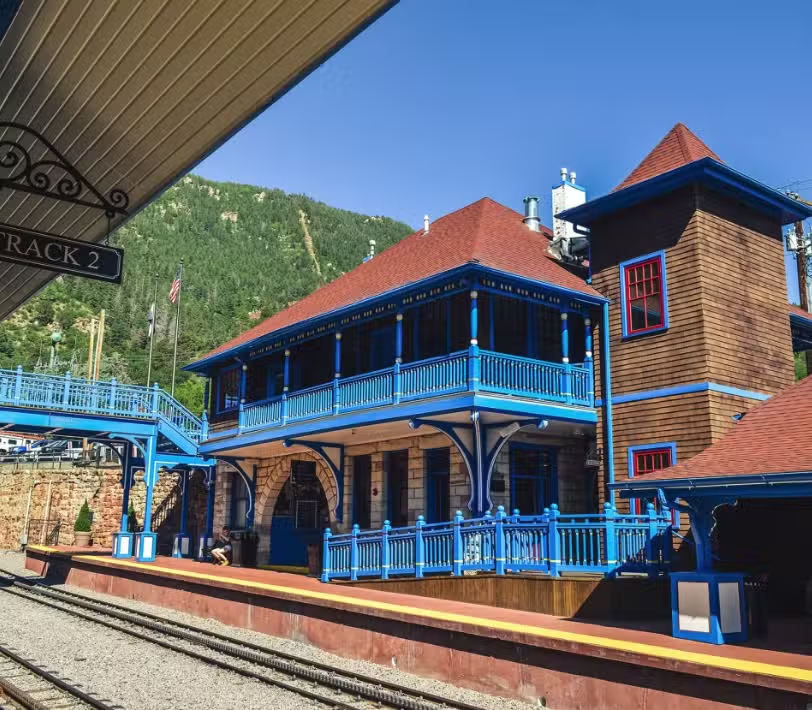
BackOperating since 1891, The Broadmoor Manitou and Pikes Peak Cog Railway offers a historically significant and mechanically unique method for ascending one of Colorado's most famous "fourteeners." After a major $100 million renovation that concluded in 2021, the service now boasts new trains, a completely rebuilt track, and a modernized depot, blending its historic roots with a contemporary passenger experience. As a prominent tourist attraction, it presents a compelling alternative to driving or hiking to the 14,115-foot summit, but the journey comes with its own set of advantages and considerable drawbacks that potential customers should weigh carefully.
The Onboard Experience: Scenery and Service
The core of the railway's appeal is the three-hour round-trip journey itself. The ascent takes approximately one hour and ten minutes, climbing nine miles through diverse ecosystems, from the forested canyons near Manitou Springs to the stark, beautiful alpine tundra above the treeline. Passengers frequently report seeing wildlife, including yellow-bellied marmots and bighorn sheep, making the trip a noteworthy sightseeing tour. The conductors are a widely praised highlight, often described as humorous, informative, and engaging. They provide running commentary on the history of the railway, geological formations, and local lore, transforming a simple train ride into one of the more memorable guided tours available in the region. The trains themselves are modern, heated, and generally comfortable, though some passengers note the seating can feel narrow, similar to an airplane. For those planning Colorado vacation packages, the railway provides an accessible way for various ages and fitness levels to experience the high-altitude environment together.
Seating and Views: A Critical Choice
A recurring theme in customer feedback is the importance of seat selection. The train cars typically have a three-seat row on one side and a two-seat row on the other. Many seasoned riders strongly recommend booking a window seat on the three-seat side for the most expansive and dramatic views, particularly of landmarks like Inspiration Point. The two-seat side, however, offers better glimpses of waterfalls in the early part of the ascent. Since the train does not turn around at the summit, your view on the way up will be the same on the way down. Paying an additional fee for reserved seating is often considered a worthwhile investment to guarantee a better vantage point, as an obstructed view can significantly detract from the experience. This is a crucial planning detail for anyone embarking on these scenic railway journeys.
The Summit: A Rushed Encounter with Altitude
Upon reaching the summit, passengers are allotted a strict 40-minute window to disembark, take in the views, and visit the new Pikes Peak Summit Visitor Center before the return journey. This limited time is a significant point of contention for many visitors. The modern visitor center is a high-quality facility with exhibits, a gift shop, and restrooms. However, long lines for amenities, especially for the famously divisive high-altitude donuts, can consume a substantial portion of the allotted time. Some visitors find the 40 minutes to be adequate, while others feel rushed and unable to fully appreciate the panoramic vistas that, on a clear day, can stretch across five states. One practical tip offered by past travelers is to prioritize time at the summit and save souvenir shopping for the more extensive gift shop at the base depot in Manitou Springs.
The Unavoidable Challenge: Altitude Sickness
The most critical factor for any potential passenger to consider is the extreme altitude. The journey ascends from 6,320 feet in Manitou Springs to 14,115 feet. This rapid change can induce altitude sickness, with symptoms including dizziness, headaches, nausea, and shortness of breath, regardless of age or physical fitness. Reviews contain firsthand accounts of passengers experiencing significant discomfort, with some even noting their oxygen levels dropping to alarming levels. It is strongly recommended that visitors acclimate in the Colorado Springs area for a day or two before the trip, and to hydrate extensively. Some visitors suggest bringing supplemental oxygen cans as a precaution. The railway itself cautions that the trip is not recommended for infants or individuals with serious cardiac or respiratory health issues. This health risk is a serious downside and a key consideration for any travel agency booking mountain adventures for clients.
Logistical Hurdles and Final Considerations
Beyond the primary experience, there are several logistical points to manage. Booking tickets well in advance is essential, particularly during peak seasons, as trains frequently sell out. Walk-up tickets are often unavailable. There are no restrooms on the train itself, and while facilities at the base and summit are modern, lines can be long, especially before departure. It's also worth noting that outside food and drink (except for water) are not permitted, though snacks are available for purchase at the depot. The experience is not cheap, and some travelers who have both driven the Pikes Peak Highway and ridden the train feel that driving offers more flexibility and, in some cases, better views, without a strict time limit at the top. The railway, however, remains an excellent option for those uncomfortable with mountain driving, those seeking a relaxing journey, or travelers looking for unique adventure travel. It stands as a well-executed, historic, and undeniably scenic operation, but its value is contingent on a traveler's tolerance for high altitudes, tight schedules, and premium pricing.