Sweet Farm
BackLocated at 210 Hall Rd in Himrod, New York, Sweet Farm presents itself as more than just a place to see farm animals; it operates as a 501(c)(3) non-profit organization with a profound mission. Its core purpose is to be a climate sanctuary, addressing the links between animal agriculture, food systems, and environmental sustainability. This establishment is a key player in the region's growing agritourism sector, offering an experience that is deeply educational and mission-driven rather than purely for entertainment. With an impressive near-perfect rating from dozens of visitors, it is clear that its message and execution resonate strongly with those who make the trip.
The organization relocated from California to the Finger Lakes region, a move prompted by climate change-related challenges like wildfires and drought. Now situated on a 50-acre property overlooking Seneca Lake, it provides a sanctuary for over 150 rescued farm animals, each with a unique history. This backstory is central to the visitor experience, distinguishing it from conventional farms or petting zoos and positioning it as a unique tourist attraction.
The Visitor Experience: What to Expect
A visit to Sweet Farm is, by all accounts, an intimate and moving affair. The overwhelmingly positive feedback focuses on the well-being of the animals and the passion of the staff. Visitors consistently report that the animals appear happy, healthy, and exceptionally well cared for. The tours are designed to be educational, with staff members like Carol and Perry being singled out for their knowledge and the deep connection they clearly have with the resident animals. Instead of generic facts, tours are built around the personal rescue stories of the individual animals, showcasing their distinct personalities. This approach fosters a strong sense of connection and empathy among guests.
Hands-On Interaction and Thoughtful Amenities
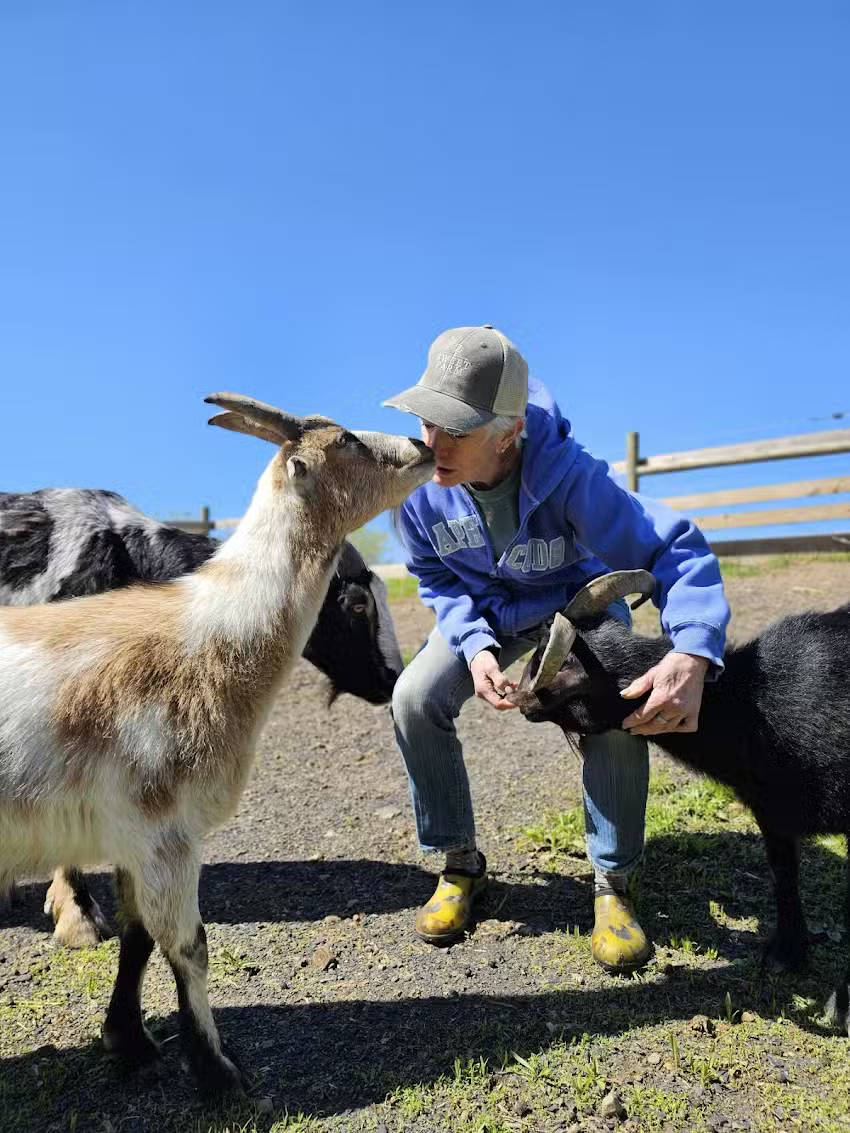
Unlike some sanctuaries where interaction is limited, Sweet Farm allows for gentle, respectful contact with many of its animal ambassadors. Experiences such as cuddling a turkey or giving a pig a belly rub are frequently mentioned as highlights, providing memorable moments that reinforce the farm's message of compassion. This thoughtful approach to animal encounters is a significant draw for those seeking authentic sustainable tourism opportunities. Furthermore, the farm demonstrates a keen attention to visitor comfort. Small but significant details, such as providing loaner boots on wet days and offering a dryer for damp clothing, show a level of care that elevates the overall experience and reflects professional destination management.
Potential Challenges and Considerations
While the praise for Sweet Farm is extensive, potential visitors must be aware of several practical considerations that could be viewed as downsides. These factors are not criticisms of the farm's operations but are crucial for proper travel planning to avoid disappointment.
Extremely Limited and Rigid Scheduling
The most significant hurdle for any potential visitor is the farm's operating hours. It is not a facility where one can simply drop in. The listed hours—typically brief windows on Saturdays and Sundays—correspond to pre-scheduled, one-hour public tours that must be booked in advance. This model is essential for managing the animals' stress and ensuring a quality experience, but it demands that a visit to Sweet Farm be a deliberately planned event rather than a spontaneous stop. Anyone considering a visit must engage in careful holiday booking and secure a spot through the farm's website, as showing up without a reservation will likely result in being turned away.
Understanding the Cost and Purpose
A visit involves a requested donation rather than a standard admission fee. Public tours have a suggested donation of $15 per person, while private tours for up to 15 people are available for a $225 donation. It is important for visitors to understand that this payment is a contribution to a non-profit's operational costs, including animal care, feed, and veterinary services. While the fee is modest for the experience offered, it's a direct investment in the organization's mission. This model aligns with a growing interest in purposeful travel, where tourists' spending directly supports the causes they care about.
It's a Sanctuary, Not a Theme Park
Prospective visitors should also manage their expectations. Sweet Farm is a sanctuary first and foremost. The welfare of the animals is the absolute priority, and all activities are conducted with their comfort in mind. This means interactions are on the animals' terms. The environment is educational and serene, not designed for high-energy entertainment. For families and individuals whose interests align with animal welfare and environmentalism, this is a perfect fit. However, those seeking a more traditional petting zoo experience may find the atmosphere more contemplative than they expect.
Beyond the On-Site Tour
Sweet Farm's efforts to promote its mission extend beyond its physical location. The organization has garnered international attention for its innovative 'Goat-2-Meeting' program, where individuals and companies can hire an animal ambassador like a goat or llama to join their virtual meetings. This clever initiative provides a vital revenue stream while spreading joy and awareness of the sanctuary's work to a global audience. This makes them not just a local tour operator, but a digital one as well.
The farm also serves as an event venue for weddings and other private gatherings, offering a unique backdrop for special occasions. Additionally, for those looking for a more immersive experience, there is a guesthouse on the property available for overnight stays, allowing guests to fully experience the farm and its surroundings on Seneca Lake. This type of offering is a prime example of immersive ecotourism.
A Commitment to Broader Change
Sweet Farm's work is multifaceted. Beyond animal rescue, it focuses on regenerative agriculture, growing heirloom crops, and partnering with technology startups that are developing sustainable alternatives to industrial farming. A visit, therefore, supports a complex ecosystem of initiatives aimed at creating systemic change. This makes a tour more than just a pleasant afternoon; it is a direct engagement with some of the most pressing issues of our time, making it a valuable addition to any vacation packages focused on the Finger Lakes region.
In conclusion, Sweet Farm offers a deeply meaningful and highly-rated experience for the conscientious traveler. Its strengths lie in its unwavering ethical commitment, the palpable bond between staff and animals, and the powerful educational narrative it shares. The primary challenges for visitors are logistical, centered almost entirely on the need for advance planning and booking. For those who can navigate the rigid schedule, a visit promises not just a memorable encounter with rescued animals, but also a poignant and inspiring look at an organization actively working to build a more compassionate and sustainable world.