Stonerose Interpretive Center & Eocene Fossil Site
BackLocated in Republic, Washington, the Stonerose Interpretive Center & Eocene Fossil Site presents a distinct opportunity for those interested in paleontology. Unlike traditional museums where exhibits are behind glass, this establishment offers a hands-on experience: the chance to find your own Eocene-era fossils. It operates as a specialized tourist attraction, combining a small exhibit with a nearby fossil digging area. The primary draw is the promise of personal discovery, allowing visitors to split layers of shale in search of preserved plant and insect life from approximately 49 million years ago. This makes it a noteworthy stop for travelers planning a day trip or a more extended journey focused on Washington state tourism.
The Experience: From Center to Site
The process begins at the Stonerose Interpretive Center on North Clark Avenue. Here, visitors pay an admission fee, which grants them access to the dig site for the day. The staff are frequently described as friendly and informative, providing essential context and instructions before you head out. The center itself houses a modest collection of fossils found locally, serving as an excellent primer for what you might uncover. These displays showcase beautifully preserved examples of leaves, flowers, and insects, setting a clear expectation of the types of discoveries possible. After this introduction, visitors proceed to the designated fossil site, a short distance away, to begin their hunt.
What to Expect at the Dig Site
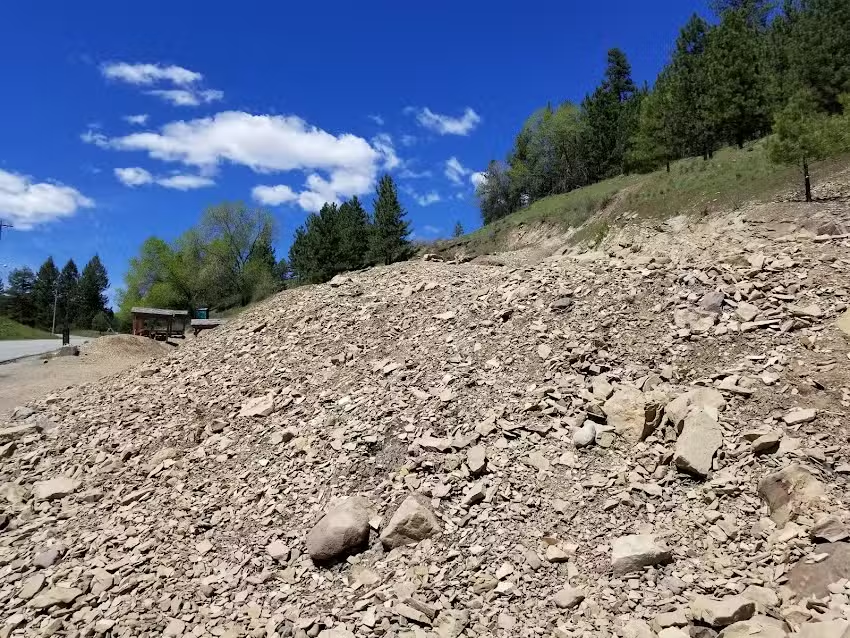
The core activity is a physical one. Visitors use hammers and chisels to split open pieces of shale, a type of sedimentary rock that cleaves easily into layers. The fossils are found between these layers. The excitement lies in the anticipation of what each split might reveal. For many, this is a highly rewarding activity. Reports from numerous visitors confirm that finding some form of fossil, most commonly a leaf or fern impression, is highly probable. This high success rate is a significant positive, making the experience feel worthwhile for both novices and those with more experience in fossil hunting. For a relatively small admission fee, many feel it offers excellent value, providing hours of outdoor engagement and the unique souvenir of a real fossil you found yourself. It's a form of adventure travel that is both accessible in concept and intellectually stimulating.
The Positives: A Unique Opportunity
There are several compelling reasons why Stonerose has garnered a high overall rating from its patrons. The most significant is the unparalleled opportunity for hands-on science and discovery.
- Engaging for All Ages: For families, particularly those with older children and teenagers, this provides a memorable and educational travel experience. It’s an activity that gets you outdoors and actively involved, a far cry from passive screen time.
- High Chance of Success: Unlike some paleontological sites where finds are rare, the geology of the Stonerose site means most people will leave with at least a small fossil. This sense of achievement is a powerful draw.
- Knowledgeable Staff: The team at the interpretive center is a key asset. They help identify finds and provide geological and historical background, enhancing the educational component of the visit.
- Incredible Value: Many visitors express that the cost of admission is very reasonable for the experience offered. The ability to spend several hours engaged in a unique activity, with the potential to take home multiple self-discovered fossils, is seen as a great deal.
Critical Considerations and Potential Drawbacks
However, a balanced view requires acknowledging the significant challenges and potential disappointments that some visitors have faced. These issues are crucial for any potential customer to consider before planning a trip, especially if traveling a long distance.
Major Accessibility Concerns
The most prominent issue raised by visitors is the physical nature of the dig site. The area is located on a hillside covered in loose, sharp shale rock. This terrain can be steep and unstable, posing a significant challenge for many individuals. Based on visitor feedback, the site is not suitable for:
- Individuals who use wheelchairs, crutches, or other mobility aids.
- Elderly visitors who may not be steady on their feet on uneven ground.
- Families with very young children who could easily trip and fall on the sharp rocks.
- Anyone with knee, foot, or balance problems.
One visitor with a walking disability described having to crawl on all fours to navigate the area safely. While disabled parking is reportedly available near the site, the terrain of the dig pit itself remains a major barrier. This is a critical piece of information not always highlighted, and it's essential for managing visitor expectations. This is not a leisurely stroll; it is a physically demanding activity on difficult ground.
Inconsistent Site Conditions
Another point of contention is the quality of the available rock. The experience seems to be highly dependent on how recently new material has been excavated and made available to the public. At least one detailed account describes a frustrating trip where the entire area consisted of old, previously searched diggings. After a long drive, finding that the prime material is roped off and the public area is depleted can lead to significant disappointment. While many find fossils, there is a risk that you may arrive at a time when the pickings are slim, which is a gamble for any travel agency or individual planning an itinerary around this specific stop.
Lack of Amenities and Necessary Preparation
The dig site is a rustic environment. Visitors should be aware that there are no restroom facilities at the site itself. Furthermore, the area is fully exposed to the sun. Preparation is key to having a good experience. It is strongly recommended to bring:
- Sturdy, closed-toe shoes: Footwear with good grip is essential for navigating the loose shale.
- Long pants: Shorts are not advised due to the sharp rocks you will be sitting or kneeling on.
- Sun protection: A wide-brimmed hat, sunscreen, and sunglasses are must-haves.
- Plenty of water: There is no place to get drinks at the site, so bring more than you think you will need.
- Tools: While tools may be available, regulars often bring their own, including chisels and hammers. A five-gallon bucket can also be useful for carrying promising rocks to a more comfortable spot to work.
Conclusion: Is It the Right Destination for You?
The Stonerose Interpretive Center & Eocene Fossil Site offers one of the most unique experiences available in the region for those interested in natural history. It stands out as a destination that moves beyond observation into active participation. For the well-prepared, able-bodied adventurer, family, or amateur paleontologist, it can be an incredibly rewarding and memorable part of a family vacation or scientific journey. The thrill of splitting a rock to reveal a 49-million-year-old leaf is an experience that is hard to replicate.
However, it is not a destination for everyone. The significant physical barriers of the dig site mean that a large segment of the population will find it inaccessible. The potential for the site to be depleted of fresh material is another risk to weigh against the time and expense of travel. Prospective visitors must honestly assess their physical capabilities and preparedness before committing to a visit. It is a genuine paleontology tour, with all the rough edges that implies, rather than a polished, universally accessible attraction.