
Stone Lagoon Visitor Center
BackFunctioning as more than just a roadside stop, the Stone Lagoon Visitor Center serves as a pivotal travel agency and access point for regional recreation, distinguished by its unique operational management. Since 2020, this facility has been operated by the Yurok Tribe under a historic agreement with California State Parks, making it the first tribally operated visitor center in the state's park system. This arrangement fundamentally reshapes the visitor experience, shifting it from a standard park facility to a center for authentic cultural tourism and education.
The center, also known by its Yurok name Chah-pekw O' Ket'-toh, provides a direct connection to the tribe's deep-rooted history with the land. Visitors are not just passive observers; they have the opportunity to engage with Yurok culture through exhibits and interactions with tribal interpreters who share their history from pre-contact to the present day. This approach offers a significant advantage over conventional information centers, providing a nuanced perspective that enriches any travel itinerary focused on Northern California.
Services and Recreational Opportunities
As a hub for adventure travel, the center's primary offering is facilitating direct access to Stone Lagoon's recreational activities. The most prominent of these is kayak and paddleboard rentals, which can be arranged on-site or online. This service positions the center as a key tour operator for water-based outdoor recreation. Paddling on the lagoon offers a chance to see local wildlife, including river otters and Roosevelt elk, from a unique vantage point. Beyond kayaking, the center serves as a launchpad for hikers and anglers, providing essential information for exploring the surrounding Humboldt Lagoons State Park.
The facilities are practical and well-maintained. Visitors consistently note the ample parking, clean public restrooms, and a pleasant picnic area with views of the lagoon. The building itself is wheelchair accessible, ensuring it can accommodate a wide range of travelers. Inside, a small but well-curated gift shop features locally sourced and Indigenous-made items, allowing visitors to support the Yurok community directly—a core principle of sustainable tourism.
Educational and Cultural Value
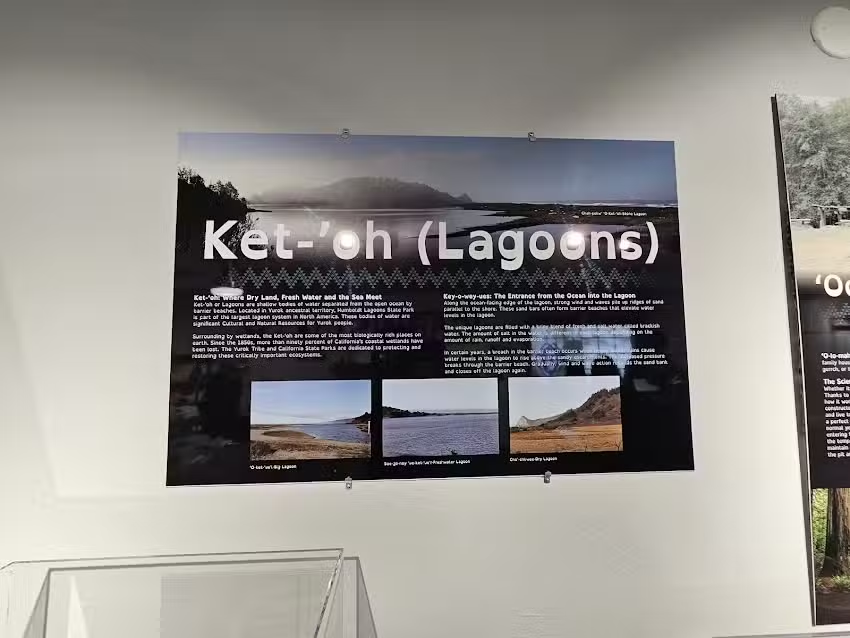
The collaboration between the Yurok Tribe and State Parks has transformed the center into a valuable educational resource. The exhibits move beyond generic displays about flora and fauna. Instead, they focus on the Yurok Tribe's enduring connection to the lagoon, traditional ecological knowledge, and contemporary cultural practices. One notable display highlights the reintroduction of the California condor (Prey-go-neesh), a species sacred to the Yurok people, and even features a live condor camera. A dedicated media room shows a film on Yurok history and stewardship, providing crucial context for the surrounding landscape. This focus on authentic storytelling is a major asset for anyone interested in genuine eco-tourism and cultural immersion.
Potential Drawbacks and Considerations for Travelers
Despite its many strengths, any travel planner should be aware of certain limitations. The most significant drawback is the center's operating hours. It is open from 9:00 AM to 4:00 PM, Tuesday through Saturday, but remains closed on Sundays and Mondays. This schedule can be inconvenient for weekend travelers or those passing through on a Monday, potentially causing them to miss out on kayak rentals and access to the exhibits. Planning a visit to align with these hours is essential.
Additionally, some visitors have described the center as small. While the exhibits are high-quality, those expecting a large, comprehensive museum might need to adjust their expectations. The value here is not in size but in the depth and authenticity of the information presented. The 4.4-star average rating reflects a largely positive reception, but the feedback suggests the center is best viewed as a crucial, high-quality stop rather than an all-day destination. It serves as an excellent component of a broader regional exploration, but not necessarily the sole focus of one.
Conclusion: A Unique and Valuable Destination
The Stone Lagoon Visitor Center stands out in the crowded field of tourism providers. Its status as the only tribally managed visitor center in the California State Park system gives it an unparalleled level of authenticity. It successfully combines the practical functions of a recreational outfitter with the profound educational mission of a cultural institution. While its limited hours require careful planning, the opportunity to learn directly from the Yurok people and engage in activities like kayaking on the serene lagoon makes it a highly recommended stop. For travelers seeking more than just a scenic view, this center offers a meaningful connection to the history, culture, and environment of the region, making it a model for the future of collaborative and respectful tourism.