Royal American Tours
BackAn Examination of the Now-Defunct Royal American Tours
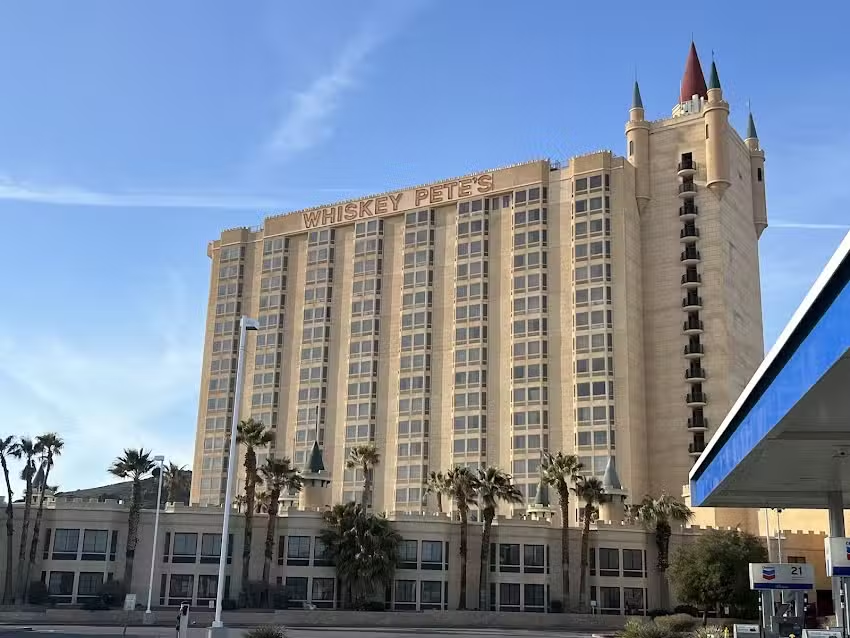
Royal American Tours, a travel agency that once operated with a physical address in Primm, Nevada, has permanently ceased its operations. For years, this company occupied a specific niche within the tourism industry, primarily functioning as a tour operator specializing in charter bus tours from Southern California to Nevada's prominent casino destinations. While the Primm address served as a point of contact, the company's operational heart was evidently in the Los Angeles area, as indicated by its Glendale-based phone number and the origins of its tour routes. The company's business model was centered on providing convenient and seemingly affordable transportation for those looking to visit the casinos of Primm, Laughlin, and Las Vegas without the burden of a long personal drive.
This service catered heavily to a demographic that valued convenience and affordability, particularly seniors and individuals without personal vehicles. The core offering was straightforward: a seat on a motorcoach that would handle the multi-hour journey across the Mojave Desert. For many clients, this was an appealing proposition. The prospect of avoiding the notoriously heavy traffic on Interstate 15, coupled with the potential for social interaction with fellow travelers, made Royal American Tours a viable option for a quick getaway. The company often bundled its transport services into informal vacation packages, which frequently included incentives like free play vouchers or meal credits, negotiated with the destination casinos to attract passengers.
Service Offerings and Customer Appeal
The main appeal of Royal American Tours was its focus on budget travel. The company provided a low-cost alternative to driving, flying, or other modes of transport. This was a classic casino junket model, where the transportation is often subsidized to bring a steady stream of patrons to the gaming floors. Their services were a form of organized group travel, with scheduled pickup points across Los Angeles and surrounding areas, making the service accessible to a wide urban population. For its target audience, the company's offerings represented more than just a bus ride; it was a complete, albeit simple, excursion.
Based on past customer feedback, the positive aspects of the service were rooted in this convenience. Patrons who had good experiences often praised the ease of booking and the simple pleasure of being chauffeured to their destination. Some accounts highlighted friendly and professional drivers or tour coordinators who enhanced the journey. When the system worked as intended, it provided a valuable service, enabling people to enjoy a day or two of entertainment without logistical stress. These casino trips were a regular social outing for many repeat customers, fostering a sense of community on the road.
Operational Shortcomings and Criticisms
Despite its appeal to a specific market, a significant volume of customer feedback points to severe and persistent operational issues. These problems paint a picture of a company that struggled with reliability and quality control, aspects that are critical for any successful travel planning service. One of the most common complaints revolved around punctuality and dependability. Numerous former clients reported significant delays, last-minute trip cancellations, and chaotic communication, leaving passengers stranded or forcing them to alter plans unexpectedly.
The quality of the vehicles was another major point of contention. While marketing materials may have promised comfort, rider experiences often told a different story. Reports frequently mentioned poorly maintained buses, broken air conditioning systems, unclean facilities, and general discomfort during the long journeys. These issues suggest a failure to invest in the core assets of the business, directly impacting the customer experience. For a service where the journey itself is a primary component, the quality of the transportation is paramount.
Furthermore, customer service was a frequently cited weakness. Clients reported encounters with rude or unhelpful staff, both over the phone during booking and in person on the tours. Resolving issues, such as retrieving lost items or clarifying details about promotional offers, was often described as a frustrating ordeal. There were also numerous accounts of promised casino incentives and all-inclusive deals failing to materialize as advertised, leading to feelings of deception and dissatisfaction upon arrival. One particularly severe review even mentioned a driver hitting a wall at a venue, causing a flat tire and significant disruption. Such incidents severely undermine the trust essential between a transportation provider and its passengers.
The End of the Road
The permanent closure of Royal American Tours, while not publicly detailed, can be understood within the broader context of the travel industry's challenges. The COVID-19 pandemic had a devastating impact on businesses reliant on group travel and tourism, especially those serving casino destinations that faced their own closures and restrictions. It is highly probable that the economic fallout, combined with the company's pre-existing operational weaknesses, created an unsustainable business environment.
Ultimately, the story of Royal American Tours serves as a case study. It highlights that while a niche market and a low-cost model can attract a customer base, long-term success is impossible without a foundation of reliability, quality service, and customer trust. For potential travelers seeking similar services today, the lessons from this defunct agency are clear: it is crucial to research the reputation of any tour operator thoroughly. While the allure of a cheap and easy trip is strong, it should not come at the cost of safety, reliability, and basic customer respect. The closure of this travel agency leaves a gap in the market it once served, but also a cautionary tale for both consumers and service providers in the competitive world of tourism.