
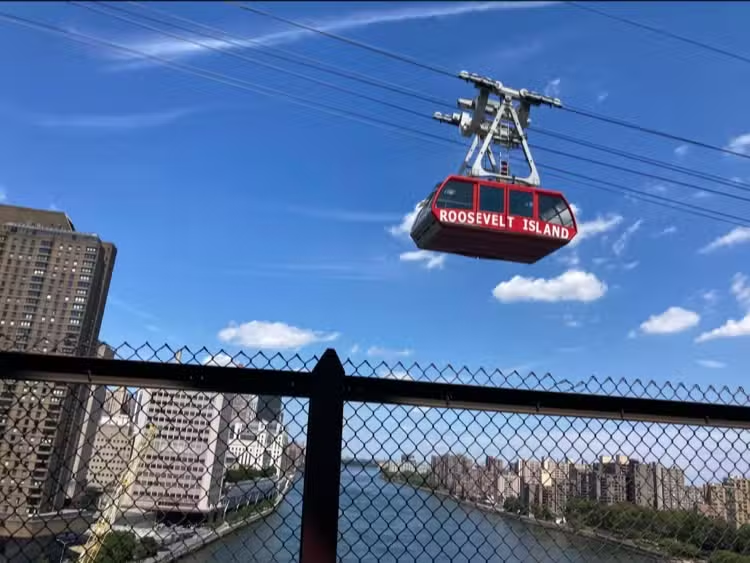
Roosevelt Island Tramway
BackOperating as a unique hybrid of public transit and a notable tourist attraction, the Roosevelt Island Tramway offers a distinctive aerial commute unlike any other in New York City. Gliding over the East River, it connects Manhattan's Upper East Side with the quiet residential enclave of Roosevelt Island. While it functions as a daily transport for residents, it has also secured a place on many visitors' itineraries. This dual identity creates a service with clear advantages for those seeking novel experiences, but also some practical drawbacks that potential riders should consider.
The Value Proposition: Views and Affordability
The primary draw of the Roosevelt Island Tramway is undeniably the visual experience. The brief, approximately four-minute journey provides some of the best views of NYC, offering a moving panorama that includes the Queensboro Bridge, the East River, and the iconic Midtown Manhattan skyline. As the cabin ascends to its peak height of 250 feet, passengers are treated to a perspective that is both intimate and expansive, a vantage point that ground-level sightseeing or even skyscraper observation decks cannot replicate. For photographers and sightseers, the trip is a valuable opportunity, particularly during the golden hours of sunrise and sunset when the city is bathed in dramatic light.
Perhaps its most compelling feature, especially for budget-conscious travelers, is its integration into the city's public transportation network. A ride on the tram costs the same as a single subway or bus fare and is accessible using a standard MetroCard or the OMNY tap-to-pay system. This positions the tram as one of the most cheap things to do in NYC, delivering a high-value visual return for a minimal investment. This accessibility makes it an easy and spontaneous addition to any New York City travel plan, requiring no advance booking or separate ticketing process. For holders of an unlimited MetroCard, the ride is effectively included in their pass, adding even more value.
Operational Strengths and Accessibility
The tramway's operational schedule is a significant asset. With service running from 6:00 AM until 2:00 AM on most days (and until 3:30 AM on Fridays and Saturdays), it accommodates a wide range of schedules, from early-morning commuters to late-night sightseers wanting to see the city lights. During peak rush hours, the frequency increases, with cabins departing every 7.5 to 15 minutes, ensuring that wait times are generally manageable. The system is also designed with accessibility in mind, featuring wheelchair-accessible entrances, making it a viable option for all visitors.
Potential Downsides and Considerations
Despite its appeal, the Roosevelt Island Tramway is not without its flaws, many of which stem directly from its popularity and its primary function as a commuter line. The most significant issue for visitors is crowding. As a popular attraction, especially during peak tourist seasons and ideal weather conditions, the cabins can become densely packed. A full cabin, which can hold over 100 people, means that a coveted spot by a window is far from guaranteed. Many riders may find their views obstructed by other passengers, which can diminish the core experience of the journey.
The Experience Can Be Brief and Basic
Another point to manage is the brevity of the ride. At roughly four minutes from station to station, it is a fleeting experience. While spectacular, it is over quickly. Furthermore, potential customers should understand the fare structure. A single fare covers a one-way trip only. To return to Manhattan, passengers must exit the station on Roosevelt Island, re-enter through the turnstiles, and pay a second fare. This is a crucial detail for planning, as it is not a round-trip ticket. The cabins themselves are functional and built for standing commuters; seating is extremely limited, and most passengers will need to stand for the duration of the trip, holding onto poles or rails for stability.
Making the Most of the Tramway Journey
To maximize the experience, strategic planning is key. Riding during off-peak hours, such as mid-mornings on weekdays, is the best way to avoid the largest crowds and increase the chances of securing a good viewing spot. While a sunset ride is visually stunning, be prepared for it to be the busiest time of day.
Exploring Roosevelt Island
The journey on the tram is often just the beginning. To make the fare worthwhile, visitors should allocate time to see Roosevelt Island itself. Once there, you can find a number of attractions. At the southern tip is the Franklin D. Roosevelt Four Freedoms Park, a serene architectural space offering incredible, unobstructed views of the Manhattan skyline. Nearby are the historic, ivy-clad ruins of the Smallpox Hospital, which add a gothic and intriguing element to the landscape. The island also features the modern Cornell Tech campus and long, peaceful waterfront promenades perfect for a quiet walk away from Manhattan's intensity. These destinations transform the tram ride from a simple novelty into a gateway for a half-day of discovery, making it a more robust part of any tour packages NYC could offer.
A Final Assessment
Ultimately, the Roosevelt Island Tramway stands as a highly recommended and unique NYC experience. Its affordability is unmatched for the quality of the views it provides, making it a standout choice for nearly every type of traveler. While the challenges of crowding and the short duration of the ride are real, they are manageable with a bit of planning. It successfully merges the practicality of public transportation with the thrill of an attraction, offering a memorable and visually rewarding slice of New York life. Any reputable travel agency New York based would be wise to include it as a suggested activity, especially for those seeking to capture the city from a fresh and dynamic perspective without the high cost of conventional observation decks.