
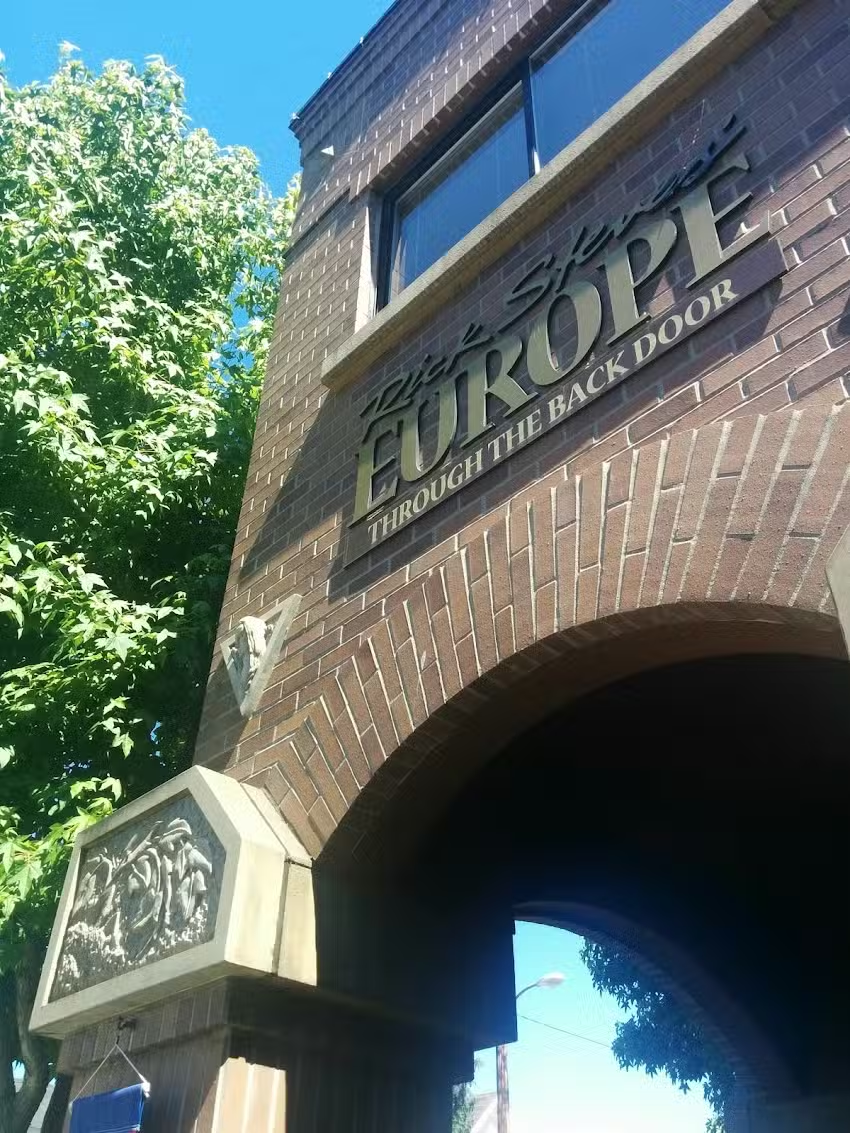
Rick Steves’ Europe
BackBased in Edmonds, Washington, Rick Steves' Europe is more than just a local business; it is the physical headquarters and travel center for the well-known television personality and travel writer. The company is built upon a distinct travel philosophy: encouraging travelers to venture “Through the Back Door” to experience destinations as “temporary locals” rather than just tourists. This approach has cultivated a substantial following and established a strong reputation in the tourism industry. However, a comprehensive analysis reveals a company with significant strengths in its tour execution and resources, alongside noteworthy drawbacks related to its physical accessibility and the founder's public persona.
The Core Strengths: Expertise and Tour Quality
The primary appeal of Rick Steves' Europe lies in its meticulously crafted vacation packages and the expertise that underpins them. This is not a generic booking service but a highly curated travel experience. Long-time customers consistently praise the quality of the guided tours. One traveler, having taken seven tours with two more booked, highlights several key factors: the tour guides are described as knowledgeable, exceptionally competent, and friendly. The itineraries are lauded for being well-planned, reflecting careful thought and an intimate understanding of the destinations. This detailed travel planning ensures that participants experience a mix of famous landmarks and lesser-known local spots, aligning with the company's core philosophy.
A significant advantage noted by patrons is the strategic location of the hotels. While not always luxurious, they are consistently situated near the main sights, maximizing convenience and minimizing travel time within cities. Furthermore, the tours strike a successful balance between structured group time and valuable free time, allowing for both shared experiences and personal discovery. This structure is a cornerstone of their small group tours, which typically have a maximum of 24-28 people, fostering a more intimate and manageable travel experience. This approach has created a remarkably loyal customer base, with many travelers returning for multiple trips, confident they will be traveling with like-minded individuals.
A Hub for Travelers
The physical location at 130 4th Ave N in Edmonds functions as a comprehensive travel center, a point of pride for the company. For fans of the Rick Steves brand, it is often considered a destination in itself. The center is designed to be a resource hub, offering the company's full line of guidebooks, luggage, and travel accessories. Visitors can receive advice from well-traveled staff, get assistance with travel planning, and even spend time in a 1,000-volume travelers' library to research their next European vacation. This commitment to empowering independent travelers, alongside their organized tours, is a defining characteristic. The welcoming and well-organized nature of the store reinforces the brand's reputation for helpfulness and expertise. Positive interactions, including chance meetings with Rick Steves himself, underscore a sense of community and personal connection that many larger tour operators lack.
Points of Contention and Practical Drawbacks
Despite the overwhelmingly positive feedback regarding its services, there are critical areas where Rick Steves' Europe faces scrutiny. These issues are not typically about the quality of the travel itself but concern operational choices and the founder's public profile.
The Founder's Political Activism
A significant point of friction for some customers is the outspoken nature of founder Rick Steves. He views travel as a "political act" and frequently uses his public platforms, including podcasts and events, to share his political and social viewpoints. This has led to criticism from customers who feel that his commentary, particularly when critical of American politics, is inappropriate for a business owner whose clientele is predominantly American. One review from a former customer, who had previously purchased tours, books, and other products, explicitly stated they would no longer support the business after hearing Steves make comments they perceived as "trashing the U.S." on a podcast. This sentiment is echoed in other forums, where potential travelers weigh the quality of the tours against their disagreement with the founder's public statements. For a segment of the market, the blending of travel advice with political advocacy is an unwelcome aspect of the brand, creating a dilemma for those who might otherwise be interested in the company's offerings.
Limited Physical Accessibility
A major practical drawback is the extremely limited operating hours of the Edmonds travel center. The facility is only open to the public one day a week, on Saturdays from 9:00 AM to 5:00 PM. This schedule makes it highly inconvenient for local residents or visitors who wish to browse the store, purchase gear, or speak with a travel consultant in person during the week. This operational decision suggests that the business model prioritizes online sales and tour bookings far above its physical retail presence. While this may be efficient from a business perspective, it presents a significant barrier to entry for customers who prefer face-to-face interaction for their travel planning and can be a source of frustration.
Is the Travel Style a Universal Fit?
While the quality of the tours is rarely disputed, the specific style of travel is not suited for everyone. The Rick Steves method emphasizes energy and efficiency. Tours can be fast-paced, with a considerable amount of walking and the requirement that travelers handle their own luggage, sometimes up several flights of stairs in historic hotels without elevators. Some past participants have found the pace too quick, wishing for more time to linger in certain locations. The accommodations are clean, safe, and central, but they are chosen for character and location over luxury amenities. The focus is on cultural immersion, which may include using public transportation and dining in casual, local eateries. Travelers seeking a relaxed, pampered, or luxurious experience may find the energetic and pragmatic nature of these custom trips to be misaligned with their expectations. The demographic on tours also tends to be older, which could be a consideration for younger travelers looking to connect with peers.
Conclusion
Rick Steves' Europe stands out as a premier travel agency specializing in European travel, backed by a clear philosophy and a wealth of high-quality resources. Its strengths are undeniable: expertly guided small group tours, thoughtful itineraries, and a loyal community of travelers who appreciate the focus on authentic cultural experiences. The company excels at delivering what it promises—an immersive and educational journey through Europe.
However, prospective clients must weigh these considerable advantages against some significant cons. The very limited hours of the physical store are a practical inconvenience, and the travel style, while rewarding for many, is not a universal fit. More importantly, the founder's prominent and often controversial political activism is a factor that can alienate a portion of his potential customer base. Ultimately, choosing Rick Steves' Europe depends on a traveler's priorities. For those who align with the brand's philosophy and are seeking a well-structured, culturally rich European adventure, it remains one of the most respected tour operators in the field. For others, the operational quirks and political undertones may be decisive factors in looking elsewhere.