
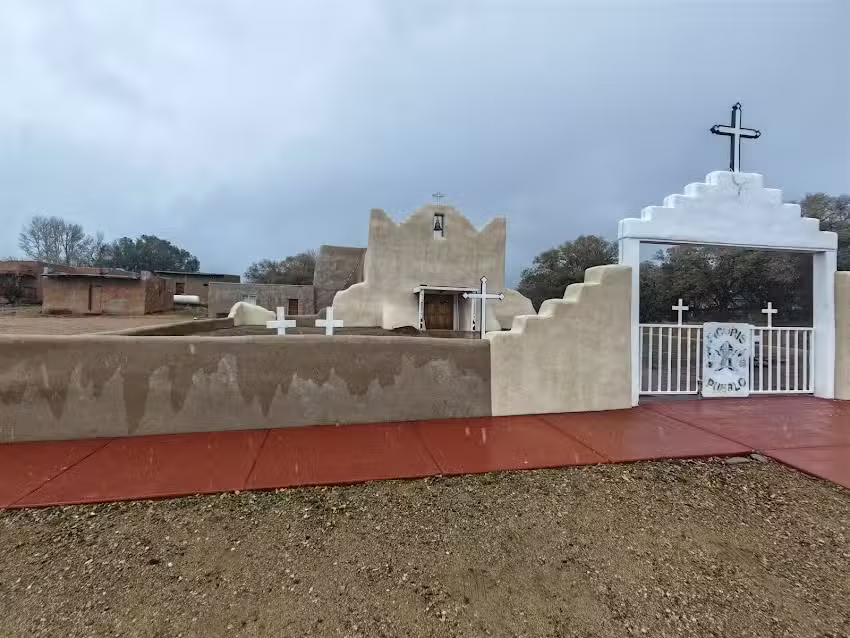
Picuris Pueblo visitor center
BackServing as the official entry point to a place with roots stretching back to 1250 A.D., the Picuris Pueblo Visitor Center operates as more than just an information kiosk. It functions as a small but essential travel agency for anyone seeking an authentic cultural experience in the Sangre de Cristo Mountains of New Mexico. The center is the primary hub for organizing a visit, providing necessary permissions, and gaining initial insight into the history and etiquette of what is known as the "Hidden Valley." Based on visitor feedback and the services it facilitates, this establishment presents a compelling case for those prioritizing genuine interaction over commercial polish, though it comes with considerations that travelers should be aware of before they arrive.
The Strengths: A Focus on People and Place
One of the most consistently highlighted attributes of the Picuris Pueblo Visitor Center is the quality of its human interaction. Reviews repeatedly mention that the staff are "nice and very helpfull," a sentiment that speaks volumes in the tourism industry. For a traveler, especially one engaging with a sovereign Pueblo nation, this welcoming and helpful attitude is invaluable. It transforms a potentially intimidating process of understanding rules and cultural norms into a positive exchange. This personal touch is a significant advantage over larger, more impersonal travel companies, providing a foundation of respect and assistance that enhances the entire visit. The staff's role is critical in facilitating responsible tourism, ensuring visitors are well-informed about how to engage with the community respectfully.
The center is the gateway to a deeply historical site. Picuris Pueblo was once one of the largest and most powerful pueblos, with structures reaching seven stories high and a population of around 3,000. While conflicts, particularly the Pueblo Revolt of 1680, drastically reduced its size, the history remains palpable. The visitor center is the starting point for accessing this history, providing information and likely facilitating guided tours of the area, including the restored 200-year-old San Lorenzo de Picuris church. For those interested in cultural tourism, this direct access to a living history, managed by the community itself, is a profound draw.
Key Services and Cultural Offerings
As a specialized tour operator, the center manages several key logistical aspects of a visit. According to its official visitor information, all guests must check in at the tribal administrative office to inquire about the Pueblo and purchase necessary permits. These services include:
- Photography Permits: A permit is mandatory for anyone wishing to take pictures. The center issues these for a fee, currently noted as $15 and payable in cash only, a crucial detail for modern trip planning.
- Tour Arrangements: While self-guided tours may be available, the center explicitly advises visitors to call ahead to schedule guided tours, ensuring a more structured and informative experience.
- Information on Pueblo Etiquette: The staff provide essential guidelines for visitors, such as the strict prohibition of photography and recording during ceremonial dances. This guidance is vital for preserving the sanctity of cultural practices.
- Access to Local Arts: The Pueblo is renowned for its unique micaceous clay pottery, which has a distinct metallic shimmer and has been crafted since at least 1600. The visitor center and associated museum/gift shop are the primary venues to see and purchase authentic works from local artists, including pottery, beadwork, and weavings. This supports the local economy directly and offers visitors a meaningful souvenir.
Furthermore, the center is physically accessible, noted as having a wheelchair-accessible entrance. This is an important, practical feature that broadens its appeal and aligns with modern standards of inclusivity, a factor often overlooked in smaller, historical destinations but crucial for family travel planning.
Considerations and Potential Drawbacks
Despite its many strengths, there are aspects of the Picuris Pueblo Visitor Center that require prospective visitors to manage their expectations. The most significant challenge is a limited and somewhat fragmented online presence. While an official website exists, finding specific, consolidated information about hours of operation, tour costs, or seasonal closures can be difficult. The New Mexico Tourism Department itself advises visitors to always call ahead before planning a visit, as schedules can change suddenly. This reliance on phone calls rather than detailed, updated web information can be a hurdle in the initial stages of vacation planning, especially when compared to the seamless digital experience offered by larger tourism entities.
The scale of the operation is another factor. This is not a large, federally funded visitor center with extensive multimedia exhibits and a wide range of amenities. It is a community-run establishment. While this is the source of its authenticity, it also means that facilities may be modest. The extremely low number of online reviews (just four on one platform), though highly positive, suggests a low volume of digitally-engaged visitors. This lack of a broad base of online feedback can make it difficult for new travelers to build a comprehensive picture of what to expect.
It's also important to note that services like permit purchases are currently cash-only. In an increasingly cashless society, this is a critical piece of information that travelers must know in advance to avoid inconvenience. This logistical detail underscores the need for thorough pre-trip research and a flexible mindset.
A Hub for Broader Experiences
The visitor center doesn't just serve the immediate Pueblo grounds. It is a launchpad for other activities in the area that fall under the umbrella of adventure travel and outdoor recreation. The Pueblo manages Pu-na Lake for trout fishing and has a growing bison herd that visitors can observe. The center can provide the necessary licenses and information for these activities. A planned one-mile walking trail will eventually connect the new interpretive center to traditional homes and the mission church, further enhancing the visitor experience. This positions the center as a multi-faceted resource for various interests, from history buffs to outdoor enthusiasts.
In conclusion, the Picuris Pueblo Visitor Center is an exemplary model of community-led tourism. Its greatest asset is its people, who provide the warm, helpful, and authoritative guidance necessary to navigate a culturally rich and sensitive environment. The direct access it provides to the history, art, and traditions of the Picuris people is unparalleled. However, visitors must be proactive. The experience requires a willingness to step away from digital convenience and engage directly, primarily by calling ahead to confirm details. For travelers who value authenticity and personal connection over polished infrastructure, and who undertake their trip planning with a measure of diligence, the center is an indispensable first stop on a journey into the heart of one of New Mexico's most enduring communities.