Painted Canyon Visitor Center
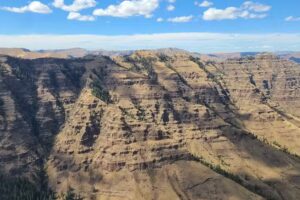
BackLocated directly off Interstate 94 at Exit 32, the Painted Canyon Visitor Center serves as a crucial initial touchpoint for visitors to the North Dakota Badlands. While technically classified as a travel agency, it functions more as a strategic information and planning hub operated by the National Park Service. It presents a complex picture for travelers: for some, it is an indispensable and breathtaking introduction to Theodore Roosevelt National Park, while for others, it can create a misleading impression of the park experience. Understanding its dual role as both a spectacular overlook and a preliminary planning stop is key to leveraging its full potential.
The Strategic Advantage for Travelers
For those embarking on a trip to North Dakota, particularly travelers on a tight schedule, the center is an undeniable asset. Its primary strength is providing a stunning, panoramic preview of the park's South Unit without requiring an entrance fee or the time commitment of driving the full scenic loop. This makes it an ideal option for cross-country road-trippers or those engaging in budget travel. The accessibility is a major highlight; visitors can transition from the highway to an expansive badlands vista in minutes. The facility itself is well-equipped, featuring clean, wheelchair-accessible restrooms, a gift shop with a selection of souvenirs, and picnic shelters, making it a comfortable and practical stop.
The center's role as a tourist information center is perhaps its most valuable function. Inside, park rangers are available to offer personalized advice, provide maps, and share updates on trail conditions or wildlife sightings. This direct access to expert knowledge is invaluable for effective vacation planning. Visitors can shape their entire travel itinerary based on the information gathered here, deciding which trails to hike and which overlooks to prioritize within the main park area, located approximately seven miles further west in Medora. For collectors, the center also offers the popular National Park passport cancellation stamps.
An Introduction to Badlands Hiking
The visitor center is not merely a passive viewpoint; it is the starting point for two distinct hiking trails that offer a tangible taste of adventure travel in the region.
- The Painted Canyon Nature Trail: This is a roughly one-mile loop that descends into the canyon. While short, visitors report that its steepness is deceptive. The 250-foot elevation change can be challenging, especially on the ascent, and may not be suitable for all fitness levels. However, for those who undertake it, the trail provides an intimate perspective of the unique geology and plant life, with interpretive signs along the way.
- The Painted Canyon Trail: This is a more strenuous 4.2-mile out-and-back trail that ventures deeper into the badlands, connecting with the larger network of backcountry trails. It offers a more immersive experience for serious hikers looking to spend several hours exploring the terrain.
These trails allow visitors to physically engage with the landscape, transforming the stop from a simple photo opportunity into a memorable activity.
Important Considerations and Potential Drawbacks
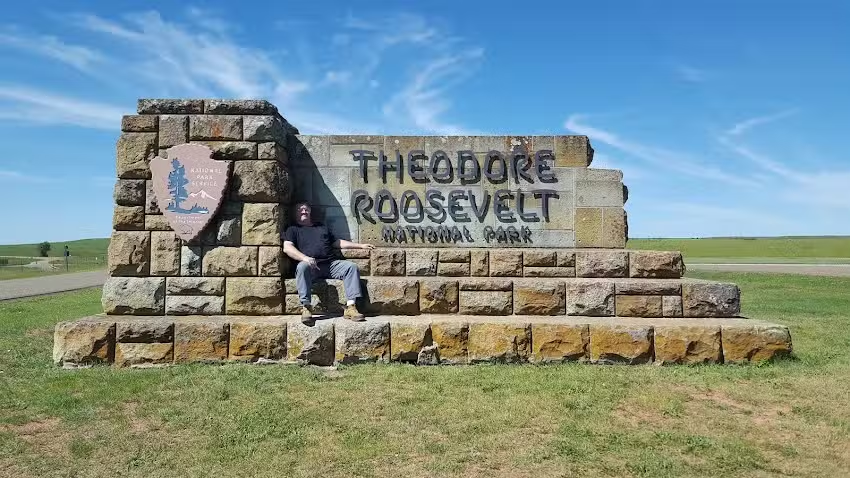
Despite its many positives, travelers must manage their expectations. The most significant point of confusion is the center's location. A stop here does not equate to having visited Theodore Roosevelt National Park's main scenic drive. The visitor center is a satellite facility, and the primary park entrance, museum, and the 36-mile Scenic Loop Drive are all located seven miles west. Visitors who stop only at Painted Canyon will miss the majority of the park's offerings.
There are also logistical limitations to consider. The center's operating hours are generally from 8:30 AM to 4:30 PM, meaning early morning and late evening travelers may find the building, including the main restrooms, closed. While the overlook is always accessible, the supporting facilities are not. Furthermore, the location is known for being extremely windy, a factor that can affect comfort, especially at the exposed picnic areas. Parking can also be a challenge; while ample for cars, space for large RVs and semi-trucks is limited, and the lot often serves as a busy rest area for interstate traffic. Some visitors have reported conflicting information regarding overnight parking, with park rangers occasionally prohibiting it.
Policies for Family Travel with Pets
For those traveling with pets, the rules are specific and important to follow. Dogs are welcome on the property but their access is restricted. Leashed pets are permitted in the parking lot and on the paved sidewalks around the visitor center, which still offer excellent views. However, pets are strictly prohibited on all hiking trails, including the Painted Canyon Nature Trail. This policy is in place to protect wildlife and ensure the safety of both pets and other visitors. This makes the center a good spot for a quick break with a pet, but not a destination for hiking with them.
Conclusion: A Strategic First Step
The Painted Canyon Visitor Center is best viewed as a strategic tool for planning a visit to Theodore Roosevelt National Park, rather than a substitute for it. It excels as a free, highly accessible, and visually stunning introduction to the North Dakota Badlands. It is an essential stop for first-time visitors needing orientation, travelers constrained by time, and anyone wanting to make an informed decision before paying the park entrance fee. However, its geographical separation from the main park, limited hours, and restrictive pet policies are crucial factors to consider. By understanding both its strengths and limitations, visitors can effectively use this facility to enhance their overall experience and craft a well-planned journey into the rugged beauty of the park.