
Ohio River Islands National Wildlife Refuge – Visitor Center
BackThe Ohio River Islands National Wildlife Refuge Visitor Center serves a unique and critical function for those interested in the natural habitats of the upper Ohio River valley. It is not merely an entrance to a local park but the sole administrative and informational hub for a vast wildlife refuge that spans 362 miles, encompassing 24 islands and four mainland areas across West Virginia, Pennsylvania, and Kentucky. This distinction makes it an essential first stop for any serious nature travel or ecotourism venture in the region. The center acts as the primary point for all travel planning, providing context, maps, and expert advice for a complex and geographically dispersed conservation area.
Inside the Visitor Center: An Educational Hub
Upon entering the facility in Williamstown, visitors are greeted with more than just pamphlets. The center is frequently praised for its clean, well-maintained environment, including accessible restrooms and friendly, knowledgeable staff. Park rangers are often on hand and have been noted for their expertise, particularly in identifying local bird species and their calls, effectively offering impromptu wildlife tours for inquisitive guests. The interior is designed as an educational experience. A standout feature is the 1,200-gallon aquarium showcasing fish native to the Ohio River, providing a glimpse into the underwater world that is otherwise hidden from view. Another significant exhibit is dedicated to freshwater mussels, which are crucial to the river's ecosystem. The center houses a specialized aquarium for these creatures, highlighting their role as natural water filters and explaining the conservation efforts to protect eight federally endangered mussel species found within the refuge. These detailed displays elevate the facility beyond a simple welcome center, positioning it as a valuable tourist information center focused on regional ecology.
What to Expect Outdoors: Trails and Wildlife
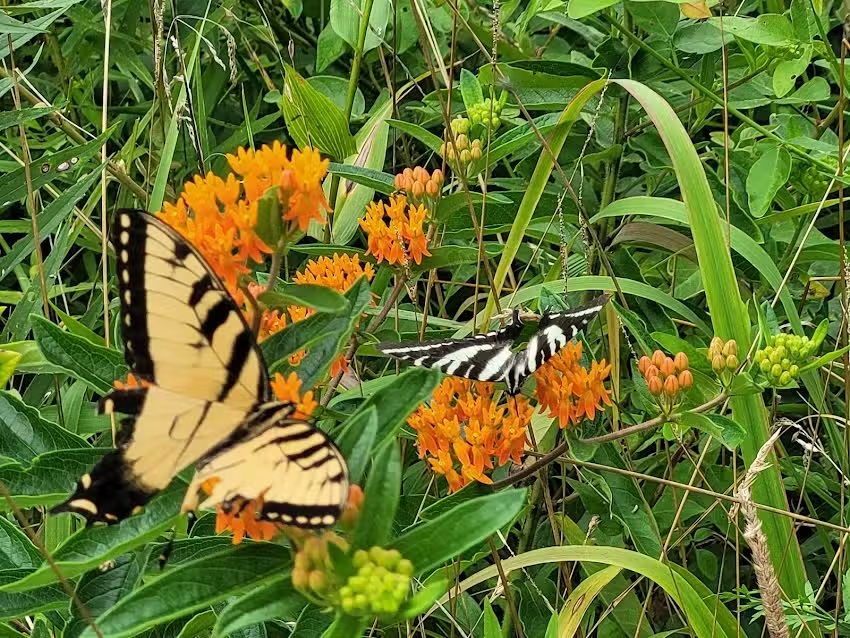
The area immediately surrounding the visitor center, known as the Buckley Mainland, offers a network of accessible trails. These paths are consistently described as well-marked and easily walkable, making them suitable for families, casual strollers, and visitors with mobility challenges. The trails meander through different habitats, including an upland forest trail and a short loop around a pollinator garden designed to attract Monarch butterflies and other native insects. Birdwatching is a major draw, with numerous species visible just behind the building. The refuge is a vital stop for nearly 200 species of migratory birds, and visitors may spot bald eagles, ospreys, and great blue herons. While the mainland trails provide a pleasant experience, they are universally described as short. For those seeking extensive, all-day hikes, the trails here might feel limited. However, the path leading down to the Ohio River is often cited as a highlight, offering serene views of the water and Buckley Island. This makes the center an excellent starting point for a day of light recreation, rather than a destination for strenuous hiking.
The Gateway to the Islands: A Center for Adventure Travel
The true value of the visitor center lies in its role as the launchpad for reaching the 22 islands that form the core of the refuge. It is the central point for obtaining information on accessing these remote locations, most of which are only reachable by private boat. The center provides carry-down access for small watercraft like canoes and kayaks, and public boat ramps for larger vessels are located nearby. This logistical support is crucial for anyone planning to visit the islands, which offer a more rugged and immersive natural experience. The staff can provide essential information on river conditions, island-specific regulations, and what to expect. Two islands, Middle Island and a small part of Wheeling Island, are accessible by bridge, offering options for those without a boat. Middle Island, in particular, is developed for visitors, with over 3.5 miles of hiking trails, a self-guided auto tour, and a wildlife observation blind. By facilitating access to these unique locations, the center functions as a specialized travel agency for outdoor enthusiasts looking to design their own river-based adventures.
Points to Consider Before Your Visit
While the Ohio River Islands National Wildlife Refuge Visitor Center receives overwhelmingly positive feedback, prospective visitors should be aware of a few practical limitations. The most commonly mentioned point is the brevity of the mainland trails. They are perfect for a short, relaxing walk but will not satisfy hikers looking for a challenging trek. This is a destination for appreciation and learning, with the more demanding physical activities centered on boating and island visitation. Another key consideration is the operational schedule. The center is open Monday through Saturday but is closed on Sundays and federal holidays. This can be a significant drawback for weekend travelers who may plan their trips around a Sunday visit. Furthermore, while the visitor center itself is well-equipped with restrooms and staff, the islands are primitive. Visitors must be self-sufficient, as there are no facilities on most of the islands. Finally, some trails, particularly on the islands, may be subject to seasonal closures during hunting seasons, so checking ahead is always recommended.
Conclusion: A Vital Resource for Regional Tourism
The Ohio River Islands National Wildlife Refuge Visitor Center is far more than a simple park office. It is an indispensable resource for anyone looking to engage with the natural environment of the Ohio River. Its strengths are its educational exhibits, the expertise of its staff, and its crucial role in facilitating access to the 22 protected islands. It provides the framework for a variety of sightseeing tours, from casual birdwatching walks on the mainland to multi-day kayaking trips among the islands. While the limited trail length on-site and the Sunday closure are minor disadvantages, they are far outweighed by the center's value as a hub for conservation education and destination management. For travelers seeking an authentic connection with the region's wildlife and ecosystems, a stop at this visitor center is the first and most important step in their journey.