Monomoy National Wildlife Refuge
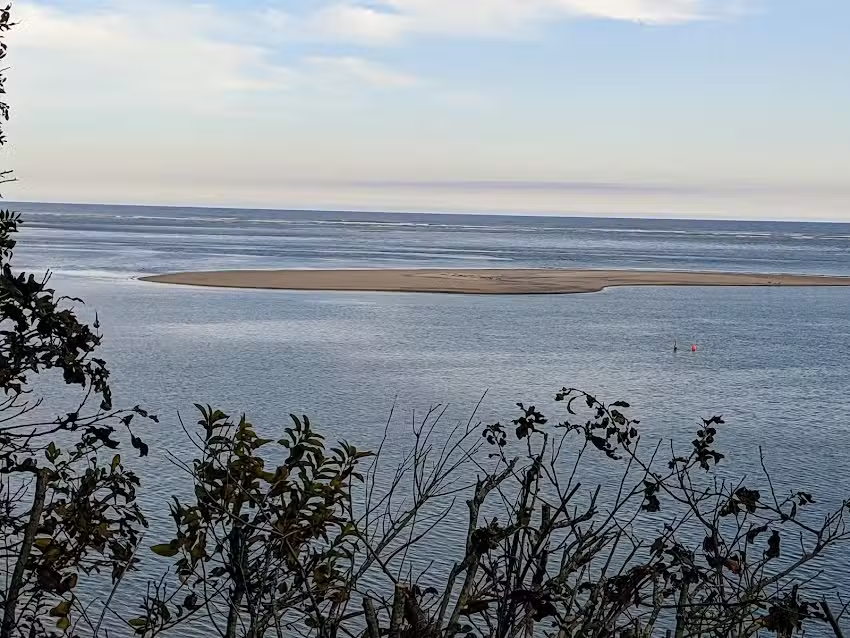
BackMonomoy National Wildlife Refuge, situated in Chatham, Massachusetts, presents a compelling yet complex option for travelers. It is not a conventional, highly developed park but rather a dynamic coastal landscape that offers profound natural beauty alongside significant access challenges. This duality is central to understanding what a visit here entails. Primarily designated as a nature preserve, its core mission is the protection of habitats for migratory birds, seals, and other wildlife, making it a premier destination for eco-tourism and serious nature enthusiasts.
The refuge is composed of several parts, but the most accessible area for the public is Morris Island. The other sections, North and South Monomoy Islands, are remote barrier islands accessible only by boat, often through private charters that cater to adventure travel seekers looking for an isolated experience. These boat tours, often narrated by naturalists, are a popular way to experience the area's famed seal colonies and diverse bird populations.
The Unspoiled Natural Appeal
The primary draw of Monomoy is its raw, untamed environment. Visitors consistently praise the breathtaking ocean vistas, the sense of isolation, and the opportunity for exceptional wildlife viewing. The refuge is a globally important habitat for migratory birds, including federally protected species like the piping plover and roseate tern. For birders, this makes Monomoy a must-visit tourist attraction, with spring and fall migrations offering the best spectacles. Reviews often highlight the peacefulness of the area, noting that even during peak seasons like the Fourth of July week, it's possible to find solitude on its expansive beaches.
For those planning family vacations or short day trips, the Morris Island portion offers tidal pools at low tide that are perfect for children to explore safely. The abundance of shells, sightings of egrets, and the gentle lapping of waves create a memorable experience. The fact that there is no entrance fee adds to its appeal, making it an accessible option for many. Furthermore, visitors frequently mention the friendliness of the volunteers who are sometimes on-site to offer information and, on occasion, educational materials for children.
Crucial Challenges and Considerations
Despite its beauty, visiting Monomoy requires careful planning due to significant and ongoing environmental changes. The most critical issue is severe coastal erosion, which has dramatically reshaped the visitor experience on Morris Island. The bluff where the refuge headquarters and visitor center once stood has been eroding at a rate of 30 to 45 feet per year. As a result, the visitor center, its offices, and the associated restrooms were completely demolished in April 2024 to prevent them from falling into the ocean. This is a major drawback; visitors must now arrive fully prepared, as there are no on-site facilities like restrooms or shops.
This erosion has also altered access to the beach. The original trail and boardwalks are gone. To reach the shoreline now, visitors must park and walk along a private, gated road through a residential neighborhood before reaching the sandy path to the beach. This walk is longer than it used to be and can be strenuous, especially in soft sand. While the entrance is listed as wheelchair accessible, this likely applies only to the parking area; the trail to the beach itself is not suitable for wheelchairs. This is a vital piece of information that any prospective visitor, especially those with mobility concerns, must consider.
Navigating the Terrain
Another point of friction mentioned by visitors is the trail system. Some have found the maps confusing, leading to unintentionally long hikes. With the landscape constantly changing, it's advisable for hikers to use a GPS-enabled map on their phone and to be mindful of the tides, as some sections of the trail can become submerged during high tide. Preparing for a longer walk than anticipated and bringing ample water and snacks is highly recommended.
Planning Your Visit
To make the most of a trip to Monomoy National Wildlife Refuge, consider the following:
- Best Time to Visit: Low tide is ideal for exploring the tidal flats and pools. For serious bird watching tours, the spring and fall migration seasons are unparalleled. Winter and spring are the best times to see the large seal colonies hauled out on the shores.
- What to Bring: Given the lack of facilities, visitors should pack water, food, sunscreen, and insect repellent. Sturdy walking shoes or sandals suitable for sand are essential. Binoculars are highly recommended for wildlife spotting.
- Access and Rules: The Morris Island trails are open from sunrise to sunset. It is crucial to respect the refuge's mission by staying on marked trails and keeping a safe distance from wildlife, especially during nesting seasons when certain areas may be closed to the public. Pets are not permitted during the summer nesting season (May 1st to September 15th) and must be leashed at other times of the year on Morris Island.
In Summary
Monomoy National Wildlife Refuge is not a simple walk in the park; it is an immersion into a wild and evolving coastal ecosystem. Its value as a tourist attraction lies in its authenticity and its world-class opportunities for wildlife viewing. However, the severe impacts of coastal erosion have created significant logistical challenges. The loss of the visitor center and restrooms and the longer, more difficult walk to the beach are substantial negatives that must be weighed. For the well-prepared traveler who understands these conditions and seeks a genuine connection with nature, the refuge offers a deeply rewarding experience. A travel agency would do well to position it as a destination for the informed and adventurous client, rather than one seeking casual convenience.