
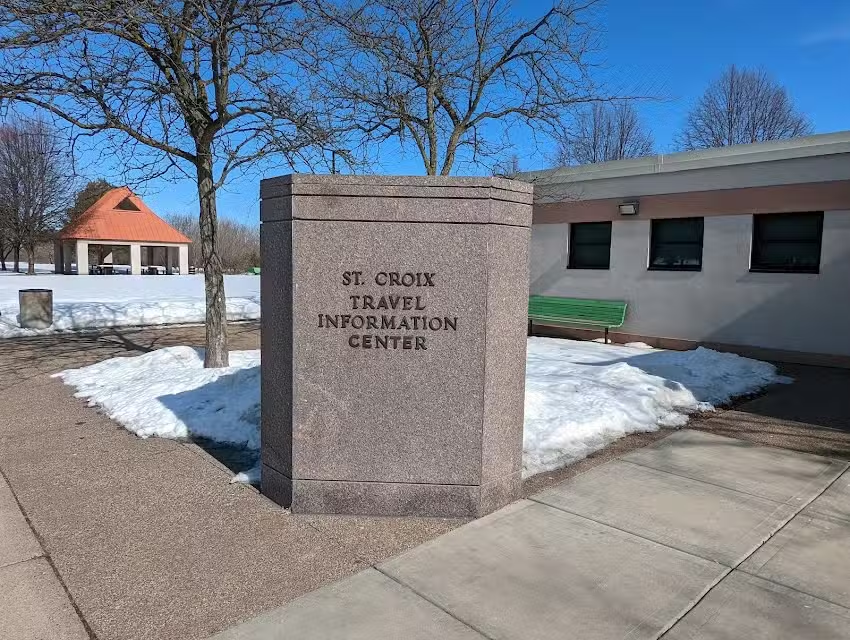
Minnesota Welcome Center (St. Croix)
BackPositioned just three miles from the Wisconsin border on westbound I-94, the Minnesota Welcome Center at St. Croix serves as a critical first impression for travelers entering the state. For years, it was a functional but unremarkable stop. However, a recent and comprehensive reconstruction project has dramatically altered its identity. The facility has been reborn, shedding its old skin to reveal a modern, architecturally significant building that now generates considerable positive feedback from the public. Visitors who may have stopped in the past and found disorganized parking or unclean facilities will encounter an entirely different reality today. The transformation is stark, with recent accounts consistently describing the center as exceptionally clean, safe, and beautifully designed.
The new building embraces a modern, industrial-minimalist aesthetic, a far cry from the utilitarian designs of many roadside rest areas. This intentional design choice aims to provide more than just basic services; it seeks to offer a moment of genuine respite and a welcoming introduction to Minnesota's character. The structure's clean lines, use of warm wood and weathered steel, and expansive glass elements create an atmosphere that feels both sophisticated and comforting. This commitment to a high standard of design and maintenance is a recurring theme in visitor feedback, with many calling it one of the nicest travel centers they have ever experienced. It operates 24 hours a day, seven days a week, ensuring that no matter the arrival time, travelers have access to its pristine restrooms and welcoming space.
Services and Amenities for the Modern Traveler
As a key tourist information center, the St. Croix facility is equipped to handle a wide range of traveler needs. Beyond the immaculate restrooms and vending machines, the center provides valuable resources for those looking to plan their journey through the state. Visitors can obtain free maps, brochures for local attractions, and other essential travel materials. For more in-depth assistance, personalized travel planning services are available, though it's important to note these services have specific hours, typically from 9 a.m. to 5 p.m., Thursday through Sunday. This makes the center a crucial asset for anyone needing help with itinerary planning or seeking recommendations for their trip.
The amenities extend beyond the main building. The grounds are designed to encourage a proper break from driving, featuring shaded picnic areas, a designated play area for children, and a pet exercise area. These thoughtful additions cater to families and pet owners, transforming a quick stop into a more comfortable and refreshing experience. The entire facility is also designed with accessibility in mind, offering wheelchair-accessible entrances, parking, and restrooms to accommodate all visitors.
The Critical Caveat: Understanding the Parking Regulations
Despite the overwhelmingly positive attributes of the renovated center, there is a significant operational constraint that all travelers must be aware of: the strict parking time limit. According to Minnesota state law, non-commercial vehicles are permitted to stop at rest areas for a maximum of four hours. This regulation is a major point of contention and the primary source of negative feedback for the facility. For travelers on long-haul trips hoping to get a full night's sleep, this four-hour window is insufficient and can be a source of significant frustration.
While the rule is a matter of state policy and not a decision made by the welcome center's management, its impact on the visitor experience is undeniable. One visitor specifically noted the absurdity of pulling in late at night for rest, only to be legally required to move on after just a few hours. It's a critical piece of information for effective road trip planning. It is worth noting that the statute offers an exception for commercial motor vehicle operators, who are permitted to park for up to ten hours to comply with federal hours-of-service regulations. This distinction is important, but for the average motorist or RVer, the four-hour limit remains a hard stop that complicates plans for extended rest.
A Tale of Two Experiences: Past vs. Present
It's important to contextualize the current praise for the St. Croix Welcome Center against its past. Not long ago, before the major overhaul, feedback was not nearly as positive. There were reports of disorganized truck parking and a lack of clean restrooms, leading some to advise fellow travelers to avoid the location altogether. The recent wave of five-star reviews celebrating the center's cleanliness, modern design, and safe atmosphere directly refutes these older complaints. This remarkable turnaround highlights a successful effort by the Minnesota Department of Transportation to elevate the facility from a simple rest stop to a premier gateway. This context is important for returning travelers who may have had a negative experience in the past; the center they will find now is, by all accounts, a completely new and vastly improved establishment.
Final Assessment: An Excellent Stop, With a Time Limit
The Minnesota Welcome Center at St. Croix is now a model for what a modern roadside facility can be. It successfully combines striking architecture, exceptional cleanliness, and valuable travel services to create a positive and welcoming entry point into the state. For families needing a safe break, tourists seeking information, or anyone who appreciates well-maintained public spaces, it is an ideal place to stop. The available resources make it a valuable hub for anyone needing last-minute travel consultation before continuing their journey.
However, the four-hour parking limit for non-commercial vehicles is a major drawback that cannot be ignored. It positions the center as a place for short-term rest and information gathering rather than a sanctuary for the truly road-weary seeking a full night's sleep. Potential visitors must factor this restriction into their plans. While it stands out as one of the best-equipped and most pleasant rest areas in the region, its utility is sharply defined by state law. It is an outstanding facility for a pause, but not a place to park for the night.