Minnesota Welcome Center (Grand Portage)
BackLocated on Highway 61, just shy of the Canadian border, the Minnesota Welcome Center at Grand Portage operates as much more than a typical roadside rest stop. For travelers venturing into Minnesota's Arrowhead Region, it serves as a vital tourist information center and an immersive introduction to the area's profound cultural and natural history. Its high ratings and positive visitor feedback underscore its effectiveness as a primary resource for anyone serious about vacation planning in this unique corner of the state.
The center distinguishes itself by being situated within Grand Portage State Park, on land owned by the Grand Portage Band of Lake Superior Chippewa (Ojibwe). This unique partnership is central to its identity and offerings. Visitors often note that the facility is larger and more comprehensive than most welcome centers, housing extensive interpretive displays that focus heavily on the region's Native American heritage and its pivotal role in the North American fur trade. The architecture and interior design are intentionally curated to reflect this, with elements like the turtle symbol on the lobby floor representing Ojibwe creation and migration stories. This focus provides immediate, meaningful context for a visitor's journey, elevating the center from a simple dispenser of maps to a cultural institution.
Services and Strengths
As a hub for Minnesota tourism, the center excels in providing practical and insightful resources. The staff are frequently described as knowledgeable local experts who function as effective travel consultants, offering advice that goes beyond generic brochure recommendations. Visitors can gather a wealth of printed materials, including maps and pamphlets detailing local attractions, hiking trails, and seasonal events. This makes it an indispensable stop for proactive itinerary planning.
Key strengths of the Minnesota Welcome Center include:
- Comprehensive Cultural Exhibits: The center serves as an introduction to the Grand Portage National Monument, which commemorates the partnership between the Anishinaabe and the North West Company. Exhibits and life-sized murals thoughtfully detail the seasonal lifestyle and traditions of the Grand Portage Ojibwe, providing a rich educational experience before visitors even set foot in the historic sites themselves.
- Excellent Facilities: The building is consistently praised for being exceptionally clean, well-maintained, and fully wheelchair accessible. This commitment to quality and accessibility ensures a comfortable and welcoming experience for all travelers.
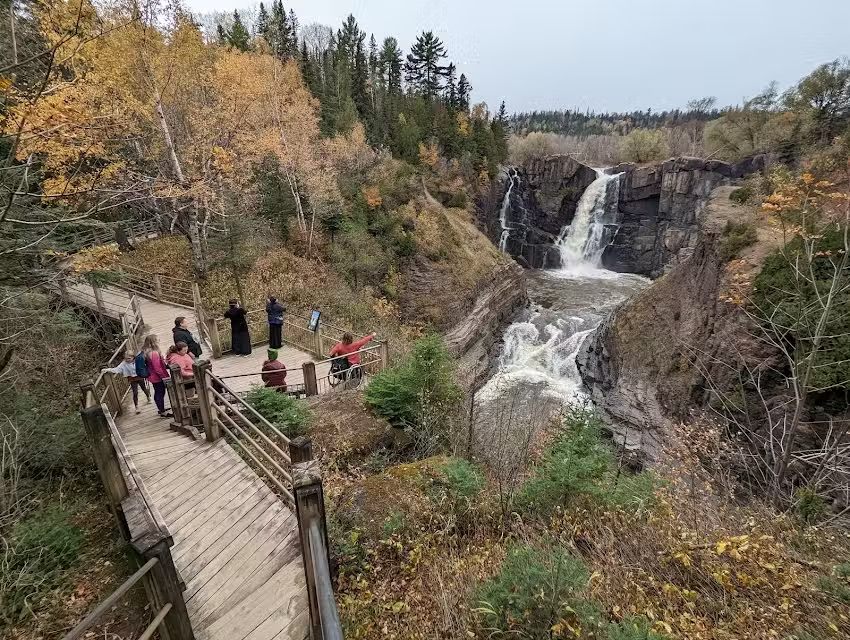
- Strategic Location: Its position on Highway 61 makes it the last informational stop before entering Canada and a crucial first stop for those entering the U.S. It is the logical starting point for visiting attractions like High Falls, Minnesota's tallest waterfall, which is accessible via an easy, paved trail directly from the center.
- On-Site Amenities: A small gift shop or store is available during the day, offering a curated selection of books, local crafts, and souvenirs. This provides a convenient opportunity to purchase authentic mementos and learn more about the region through local literature.
A Resource for Adventure Travel
The center is a key asset for those interested in adventure travel. The staff can provide up-to-date information on the condition of hiking trails, such as the challenging 8.5-mile Grand Portage Trail that follows the historic fur trade route, or the rugged path to Middle Falls. They can also offer guidance for planning trips to the remote Isle Royale National Park, accessible by ferry from Grand Portage. By consolidating this crucial information, the center helps travelers safely and effectively engage with the area's vast wilderness.
Potential Drawbacks and Considerations
While the center is an outstanding resource, potential visitors should be aware of its specific role and limitations. It is not a full-service travel agency; its purpose is to provide information and guidance, not to book accommodations or complex travel packages. The focus is overwhelmingly on Grand Portage and the immediate surrounding region, so travelers seeking detailed information on destinations further south in Minnesota may need to consult other resources.
The most significant limitation is its operating hours. The information desk and gift shop are generally open daily from 9 a.m. to 5 p.m., though hours can be reduced due to staffing. This means travelers arriving late in the evening or very early in the morning will miss the opportunity to speak with staff or browse the exhibits, though the building may still be accessible as a rest area. Another minor point is its remoteness; while a benefit for many, it means services outside the center and the nearby Grand Portage Lodge & Casino are limited.
Conclusion
The Minnesota Welcome Center at Grand Portage stands out as a premier example of a tourist information center. It successfully transcends the basic function of a rest stop by offering deep cultural immersion and expert local guidance. Its partnership with the Grand Portage Band of Lake Superior Chippewa enriches the visitor experience, providing an authentic and respectful introduction to the area's history and people. For any traveler looking to make the most of their visit to Minnesota's North Shore, a stop at this center is not just recommended—it's an essential part of the journey, providing the foundational knowledge and travel resources needed for a truly informed visit.