McCloud Ranger Station
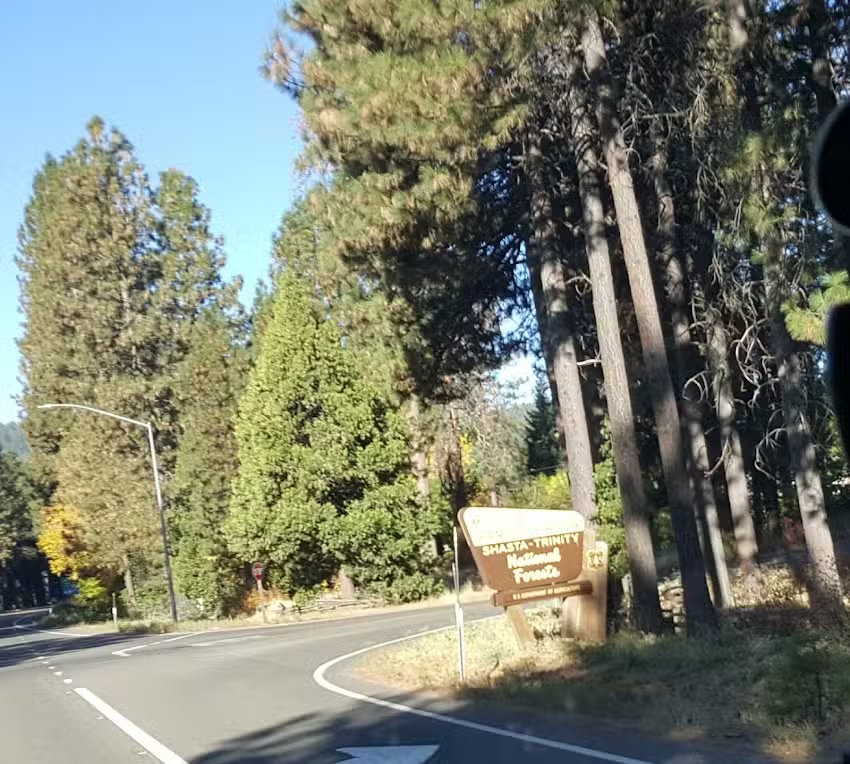
BackThe McCloud Ranger Station, situated at 2019 Forest Road, serves as a primary informational hub for the McCloud district of the vast Shasta-Trinity National Forest. It functions less like a commercial travel agency and more as an essential administrative office for visitors planning any type of outdoor adventures in the surrounding wilderness. For those intending to hike, camp, fish, or engage in other recreational activities, this station is designed to be the first point of contact for obtaining crucial safety information, maps, and the necessary permits to access the region's natural attractions. The wealth of activities it supports is extensive, ranging from fishing on the McCloud River to hiking portions of the Pacific Crest Trail and exploring numerous local campgrounds like Fowlers and Cattle Camp.
Services and Resources Offered
The primary strength of the McCloud Ranger Station lies in its knowledgeable staff and the valuable resources it provides. Visitors frequently praise the rangers for being friendly and exceptionally helpful, offering detailed advice that is particularly beneficial for those unfamiliar with the area. The station is well-stocked with a variety of National Forest maps and informational pamphlets. In an area where cellular service can be unreliable, these physical maps are indispensable tools for navigation and safety, forming a critical part of any well-considered trip planning. This office is the designated place to acquire various permits, which are mandatory for many activities. This includes wilderness permits for overnight stays in certain areas, campfire permits (even for pressurized stoves in some locations), and seasonal permits for things like mushroom gathering or cutting Christmas trees. By centralizing these services, the station facilitates responsible tourism, ensuring that visitors are aware of and compliant with forest regulations designed to protect the natural environment.
Positive Aspects for the Traveler
For many, a stop at the ranger station is a positive and reassuring start to their journey. The direct interaction with rangers provides a level of detail and confidence that online research cannot always match. You can get real-time updates on trail conditions, fire danger levels, recent wildlife sightings, and road closures. This is particularly important in a dynamic environment like a national forest, where conditions can change rapidly due to weather or other factors. One visitor noted that the staff was not only friendly but that the station had a "great selection of national forest maps," underscoring its role as a vital resource for anyone embarking on adventure travel. The presence of a wheelchair-accessible entrance is also a positive feature, ensuring that visitors with mobility challenges can access the information they need. The station is an official source of information that helps visitors safely enjoy the immense recreational opportunities, from winter sports like snowmobiling to summer activities like boating and hiking.
Identified Shortcomings and Inconveniences
Despite its important role, the McCloud Ranger Station is not without its significant drawbacks, which potential visitors should be aware of during their vacation planning. A recurring and serious issue highlighted by visitor feedback is the inconsistency of its operational hours. There have been reports of the station being closed during its posted hours, with staff visible inside but unresponsive to visitors at the door. One traveler recounted a frustrating experience of arriving at 3:30 PM on a weekday, finding the station inaccessible despite both online and posted signs indicating it should be open, preventing them from acquiring a needed permit. This level of unreliability can disrupt travel plans, especially for those on a tight schedule or who have traveled a long distance specifically to visit the office.
Another major point of criticism is the primitive nature of the facilities. Unlike larger, more modern visitor centers in other national parks or forests, the McCloud Ranger Station does not have public restrooms. It also lacks any form of interpretive center or exhibits that might enhance the visitor's understanding and appreciation of the area's ecology and history. This bare-bones approach means the station functions strictly as a service counter, which may disappoint those expecting a more comprehensive visitor experience. The operational schedule itself presents a challenge for many engaging in leisure travel. The station is typically open only on weekdays, from 9:00 AM to 4:00 PM, and is closed on weekends. This schedule is inconvenient for the large number of tourists who visit the area on Saturdays and Sundays, forcing them to either adjust their travel dates or find alternative, potentially less reliable, sources of information.
Who Should Visit and Final Recommendations
The McCloud Ranger Station is an almost mandatory stop for certain types of visitors. First-time travelers to the McCloud district, backpackers needing wilderness permits, and anyone planning activities that require specific local knowledge—such as mushroom foraging or navigating complex trail systems—will find its resources invaluable. For these individuals, the expert advice from rangers can significantly enhance both the safety and enjoyment of their trip. The station is a cornerstone of effective tourism management in the region.
However, travelers should manage their expectations. This is not a destination in itself but a functional outpost. The most critical piece of advice for any potential visitor is to call ahead at (530) 964-2184 to confirm that the station is open before making the trip. Given the reports of unexpected closures, a quick phone call can save considerable time and frustration. Visitors should also be prepared for the lack of public facilities and plan accordingly. While the station's dedicated staff and essential materials make it a key asset for nature tourism, its operational inconsistencies and limited amenities are significant factors that must be considered in any traveler's itinerary.