
Marfa Visitor Center
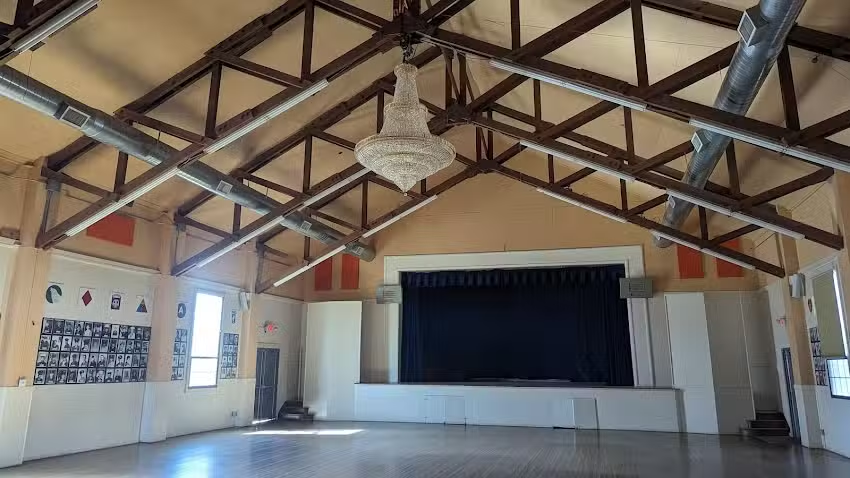
BackThe Marfa Visitor Center, located at 302 S Highland Ave, presents itself as a primary informational hub for travelers venturing into this unique Texas destination. Functioning as both a point of interest and a de facto travel agency, it serves as the logical first stop for visitors aiming to understand the layout, history, and attractions of the area. The center is housed in a building with its own historical significance, having previously served as a USO building, which adds a layer of character to the visitor experience before they even begin to gather information. Its operational hours are accommodating to most schedules, open daily with slightly reduced hours on weekends, and features practical amenities such as a wheelchair-accessible entrance.
Strengths and Positive Aspects
One of the most consistently praised attributes of the Marfa Visitor Center is the quality of its staff. Multiple accounts describe the personnel as exceptionally knowledgeable and friendly, embodying the role of local travel experts. Visitors have reported receiving detailed, personalized advice that goes beyond generic recommendations. The manager, in particular, has been noted for being family-friendly and willing to dedicate significant time to answering questions, suggesting optimal routes, and highlighting points of interest to enhance a trip. This level of personalized travel planning assistance is a significant asset, especially for first-time visitors who may be unfamiliar with the region's unique culture and geography. The staff's expertise appears to cover a wide range of topics, from local history and legends to practical tips on what to see and do, making the center an invaluable resource for crafting a well-rounded itinerary.
The center also excels in providing a wealth of tangible resources. Visitors often leave with a collection of materials, including informative pamphlets and brochures detailing potential excursions and day trips from Marfa. This curated information helps travelers maximize their time in the region, suggesting itineraries that might not be immediately obvious. Beyond the printed materials, the center itself contains various exhibits that offer context about the local area. This dual function as both an information dispensary and a small museum makes a visit both practical and educational. The high overall rating of 4.7 stars, aggregated from over 60 reviews, serves as strong social proof, indicating a consistent track record of satisfying the needs of travelers who utilize its services. For those seeking comprehensive information about local tourism opportunities, from art installations to dining options, this establishment is well-equipped to deliver.
Service and Resources Offered
As a central travel information center, the services provided are geared towards orientation and education. The primary offering is direct consultation with staff who can help visitors build a custom plan. This is particularly useful in a place like Marfa, where many key attractions have specific hours or require advance planning. The resources available support this consultation, allowing visitors to visualize their options and take away physical reminders of what to visit. The information covers not just Marfa itself but the surrounding Big Bend region, positioning the center as a hub for broader regional destination management. While it does not function as a commercial tour operator that books tickets or full vacation packages, its role in arming travelers with the knowledge to do so themselves is crucial and well-executed.
Weaknesses and Areas for Improvement
Despite the overwhelmingly positive feedback, there are areas where the Marfa Visitor Center could enhance its offerings. A specific point of criticism raised by a visitor was the lack of a dedicated, consolidated walking tour map of Marfa. While the center provides a plethora of individual brochures and general maps, a visitor seeking a curated, self-guided walking tour might find the resources slightly fragmented. For a traveler on a tight schedule or one who prefers a more structured approach to sightseeing, having to piece together an itinerary from various sources can be a minor inconvenience. Providing such a map would be a low-cost, high-impact addition that would directly address a known visitor need and streamline the experience for those wishing to see the town's highlights on foot.
Another point for potential customers to consider is the scope of its services. It's important to have clear expectations: this is a visitor information center, not a full-service travel agency. The staff provides information and recommendations, but they do not handle bookings for accommodations, tours, or events. Travelers expecting to arrange and pay for their entire trip in one place will need to use the information gathered here to make their own reservations through other channels. This is not a failure of the center, but rather a clarification of its role. Its purpose is to inform and empower the traveler, not to act as a commercial intermediary. This distinction is vital for managing visitor expectations and ensuring they understand the center's function within the local tourism ecosystem.