
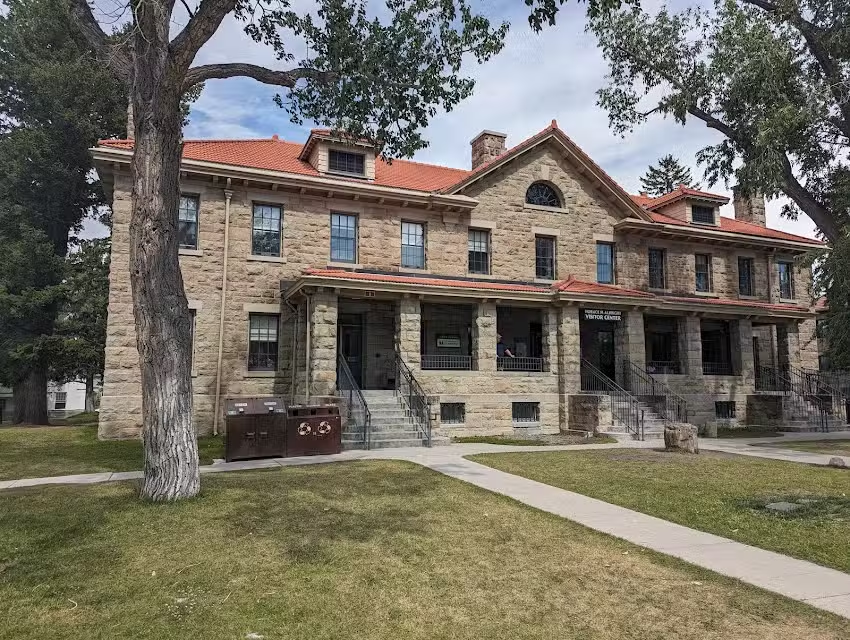
Mammoth Ranger Station
BackLocated in the Mammoth Hot Springs historic district of Yellowstone National Park, the area designated as the Mammoth Ranger Station serves as a critical hub for park operations and visitor services. For travelers, the primary point of interaction is not the ranger station itself—which functions more as an administrative and operational base—but the Albright Visitor Center & Museum, housed in a historic former bachelor officers' quarters. This distinction is important for setting expectations; while the entire area is rich with history, public access is centered on the visitor center. This facility is a key resource for any tourism initiative within the park, providing information, exhibits, and a starting point for understanding the vast landscape.
Visitor Resources and Strengths
The Albright Visitor Center is widely praised for its role as a central tourist information center. Open year-round, it offers travelers essential services needed for effective travel planning. Inside, visitors can obtain backcountry permits, get advice from knowledgeable park rangers on trail conditions and wildlife sightings, and browse a bookstore operated by the park's non-profit partner, Yellowstone Forever. This makes it an indispensable first stop for those looking to create customized travel itineraries, whether for a day trip or an extended backcountry excursion.
Historical and Educational Value
One of the most significant assets of this location is its deep historical context. The buildings are part of Fort Yellowstone, a former U.S. Army post established in 1891 to manage and protect the park before the National Park Service was created. The impressive stone and wood architecture provides a tangible connection to the past. The Albright Visitor Center itself features extensive exhibits detailing the park's human history, from Native American tribes and early explorers to the U.S. Army era and the formation of the NPS. Upstairs, another exhibit focuses on wildlife, offering educational displays that add depth to the visitor experience. This rich historical backdrop transforms a simple information stop into a compelling destination.
Exceptional Wildlife Viewing
A major highlight frequently mentioned by visitors is the remarkable opportunity for wildlife observation. The expansive, well-maintained lawns surrounding the Fort Yellowstone buildings are a popular grazing area for elk, which can often be seen right outside the visitor center. This provides a picturesque and accessible chance to see these animals up close, a significant draw for many who book national park tours. For some visitors, the concentration of elk in the Mammoth area is a bonus, especially if they have had limited sightings in other parts of the park. This feature is a strong selling point for any wildlife tours focused on Yellowstone.
Potential Drawbacks and Considerations
Despite its many strengths, potential visitors should be aware of some notable criticisms and logistical challenges. These issues can impact the overall experience and are important to consider when planning a visit.
Reports of Negative Ranger Interactions
A significant concern raised by some visitors pertains to their interactions with park rangers. One highly critical review accused rangers in the area of inconsistent and unfair enforcement of park rules, claiming that individuals following regulations were harassed while more serious infractions like speeding, reckless driving, and off-trail hiking were ignored. While this represents a single perspective, it highlights a potential friction point between visitors and law enforcement. With millions of visitors annually, staff can be stretched thin, and perceptions of enforcement can vary widely. Travelers planning adventure travel should be diligent about understanding and following all park regulations to avoid any negative encounters.
Crowds and Building Accessibility
Another point of friction is managing visitor expectations regarding the accessibility of the historic buildings. While the architecture of Fort Yellowstone is a primary attraction, it's crucial to understand that the Albright Visitor Center is the main, and often only, building open to the public. Many of the other impressive structures serve as administrative offices or employee housing and are not accessible. Visitors arriving with the expectation of touring multiple historic buildings may be disappointed. Informative signs in front of these buildings provide historical context, but they remain off-limits for interior exploration. Furthermore, the popularity of the Mammoth Hot Springs area, combined with its role as a service hub with a general store and post office, can lead to significant crowding and parking difficulties, especially during peak season.
Conclusion on Services
The Mammoth Ranger Station and the associated Albright Visitor Center form an essential component of the Yellowstone experience. It's an invaluable resource for information, historical education, and reliable wildlife viewing. The center provides the tools and knowledge necessary for visitors to plan safe and fulfilling holiday packages within the park. However, the experience is not without potential flaws. Reports of negative interactions with personnel and the logistical challenges of crowding and limited building access are valid concerns. For prospective visitors, the key is preparation: arrive with clear expectations, a solid understanding of park rules, and patience. By doing so, they can fully leverage the outstanding resources available at this historic and vital park hub.