Malheur National Wildlife Refuge Visitor Center
BackThe Malheur National Wildlife Refuge Visitor Center serves as the essential operational hub and primary tourist information center for visitors to the vast and remote wildlife sanctuary in southeastern Oregon. It functions as more than just an administrative building; for many, it is the strategic starting point for any well-planned visit. The center provides crucial resources, expert advice, and foundational knowledge that can significantly shape the visitor experience in a landscape where self-reliance is key. With a strong positive reception from visitors, it consistently proves its value as a cornerstone of the refuge's public engagement.
Services and Resources for Visitors
Upon arrival, one of the most frequently praised aspects of the center is its staff and volunteers. Visitors consistently report interactions with highly knowledgeable, friendly, and helpful individuals who are passionate about the refuge. This team acts as a dynamic information source, offering more than just generic brochures. They provide up-to-the-minute details on recent wildlife sightings, road conditions, and the best locations for photography and observation. Many guests have noted that staff will personally annotate maps with current birding hot spots, a level of personalized service that elevates the center from a simple checkpoint to an active partner in your trip planning. This direct access to local expertise is an invaluable asset, especially for first-time visitors or those pursuing specific species.
The center houses a small but informative museum featuring taxidermied specimens of the birds and rodents native to the area. This exhibit serves as an excellent educational tool, allowing visitors to familiarize themselves with the wildlife they hope to see. It helps in identifying species in the field and provides context about the local ecosystem. Adjacent to this is a gift shop, staffed by knowledgeable volunteers, which offers souvenirs and relevant literature. The facility is also equipped with practical amenities, including very clean, well-stocked restrooms and numerous picnic tables, some in a covered area, providing a comfortable space for visitors to rest and have a meal before or after their explorations.
The Self-Guided Automobile Tour
A standout feature promoted by the Visitor Center is the 42-mile Blitzen Valley Auto Tour. This self-guided tour is arguably the most structured way to experience the refuge, making it a form of a pre-designed vacation package for a day of adventure travel. The route is marked with numbered stops corresponding to points of geological, historical, or ecological interest. Recognizing the challenges of modern connectivity in this remote area, the "Friends of Malheur NWR" organization has developed a downloadable audio tour available on platforms like Spotify. This is a critical resource, as cell service is notoriously spotty to non-existent throughout most of the refuge. Visitors are strongly advised to download the tour and any necessary maps before leaving a service area. The audio guide enriches the drive, providing narration on the history and wildlife at each stop, effectively turning a personal vehicle into a guided tour bus.
Strengths of the Visitor Center
The primary strength of the Malheur National Wildlife Refuge Visitor Center lies in its role as an effective travel agency for a self-directed audience. It excels in preparing visitors for the realities of the refuge.
- Expert Human Element: The dedication and expertise of the staff and volunteers cannot be overstated. Their guidance is consistently highlighted as a key factor in successful visits.
- Centralized Resources: From maps and sighting logs to the museum and gift shop, the center consolidates all the necessary tools for a rewarding trip into one location.
- Modern Conveniences: The integration of a podcast-based audio tour demonstrates an understanding of modern traveler needs, blending technology with a rustic, natural experience.
- Accessibility and Comfort: The presence of clean facilities, wheelchair accessibility, and picnic areas makes the refuge more approachable for a wider range of visitors, including families and those with mobility concerns.
Challenges and Considerations for Potential Visitors
While the Visitor Center itself receives high praise, prospective visitors must be aware of certain challenges inherent to its remote location and the nature of the refuge. These are not failures of the center but important realities it helps visitors navigate.
A significant point of concern is the potential for inconsistent service availability. At least one visitor noted arriving to find the main center closed due to staffing shortages, although the gift shop remained open. The official website also notes that the center may be closed when staff or volunteers are unavailable, particularly between November and March. This underscores the importance of calling ahead or checking the official U.S. Fish & Wildlife Service website for the most current hours and operational status before making the long drive. For any destination management, especially in a remote area, verifying operational hours is a critical step.
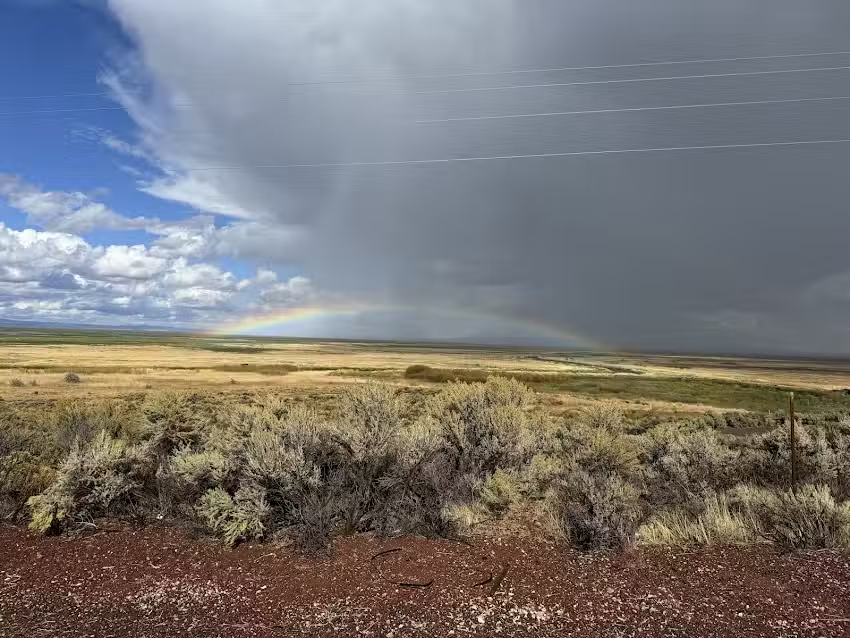
Furthermore, visitors need to manage their expectations regarding the landscape, which is heavily influenced by the seasons. The best time to visit depends on your goals. Spring (March-May) offers the greatest variety of species, with birds in breeding plumage and spectacular displays from migrating flocks. Late summer and fall can be dry, with some visitors noting a lack of water in areas previously known as lakes. This can be disappointing if not anticipated. However, the fall migration, particularly of Sandhill Cranes in October, offers its own unique spectacle. The Visitor Center staff can provide the best information on what to expect during the specific time of your visit, helping align your plans with the rhythms of nature.
Finally, the remoteness that makes the refuge a sanctuary for wildlife also presents logistical challenges. Beyond the lack of cell service, road conditions can be difficult, and insects like mosquitoes can be a significant nuisance in certain seasons. Visitors must arrive fully prepared with sufficient fuel, food, water, and appropriate gear. The Visitor Center acts as the final outpost for information before you venture into an area where you are largely on your own.
Conclusion: An Indispensable Starting Point
The Malheur National Wildlife Refuge Visitor Center is an exemplary model of a tourist information center tailored to its unique environment. It successfully bridges the gap between the wild, unpredictable nature of the refuge and the visitor's desire for a safe and fulfilling experience. While the challenges of remoteness and seasonality are real, the center's dedicated staff, comprehensive resources, and well-designed tools like the self-guided auto tour empower visitors to engage in meaningful eco-tourism and outdoor recreation. It is not merely a recommended stop; it is the essential first chapter in any visit to the Malheur National Wildlife Refuge, providing the framework and knowledge needed for a successful journey.