
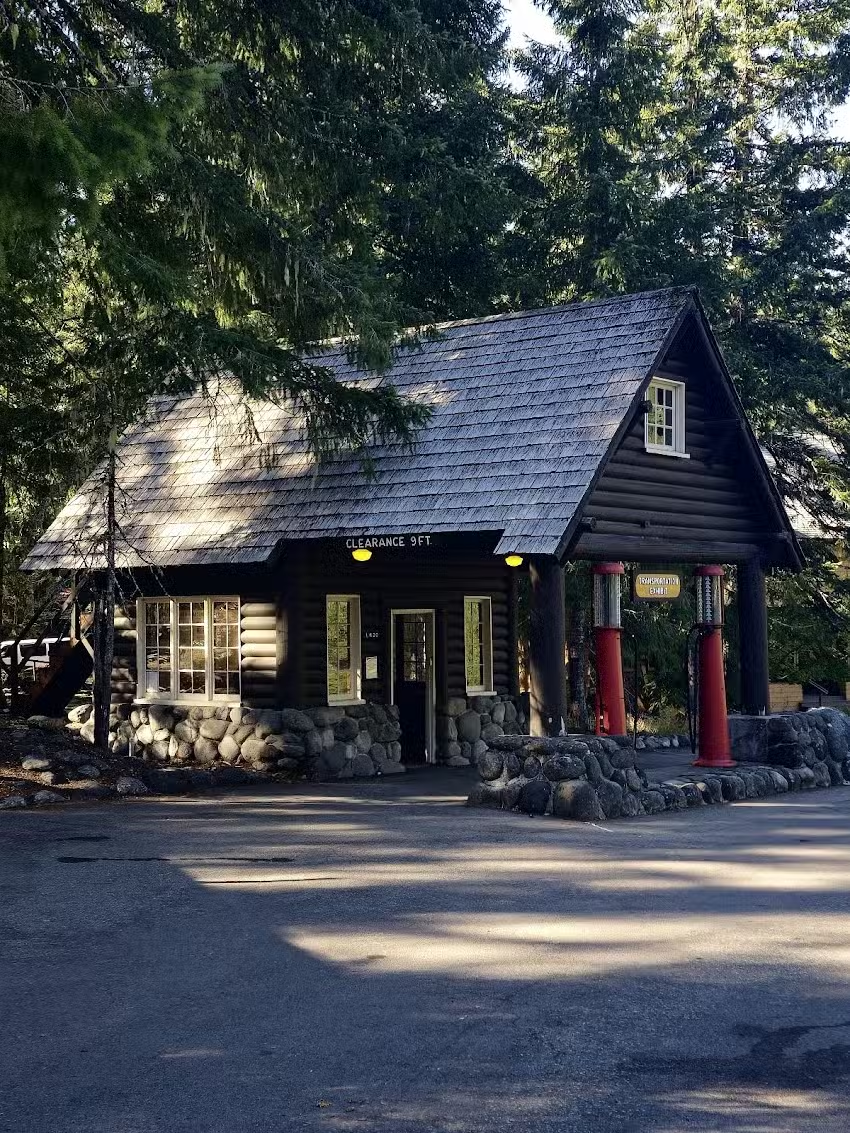
Longmire Wilderness Information Center
BackSituated within the historic Longmire district of Mount Rainier National Park, the Longmire Wilderness Information Center operates as a specialized and indispensable resource for visitors. While it carries the designation of a travel agency, it's crucial for potential visitors to understand its specific function. This is not a commercial entity for booking flights or regional hotels; rather, it is a National Park Service (NPS) facility dedicated entirely to facilitating safe and informed access to the park's vast wilderness. Its primary role is to provide authoritative information and essential services, making it a mandatory first stop for serious hikers, climbers, and anyone planning an immersive park experience.
The center is housed in the impressive 1928 Administration Building, a structure that is itself a National Historic Landmark and a prime example of "National Park Service Rustic" architecture. This historical context immediately sets it apart, offering more than just pamphlets and maps; it provides a tangible connection to the park's rich heritage. Visitors step into a building designed to harmonize with its natural surroundings, immediately setting the tone for the authentic wilderness experience that awaits.
The Positive Aspects: An Essential Planning Hub
The overwhelming consensus, reflected in a high average rating of 4.7 stars from nearly 100 reviews, is that the Longmire Wilderness Information Center excels in its mission. Its greatest asset is the staff of park rangers who provide expert travel advice tailored specifically to Mount Rainier's dynamic and often challenging environment. Unlike static online guides, these rangers offer real-time updates on trail conditions, weather forecasts, road closures, and wildlife activity. This information is not just convenient; it is critical for safety in a landscape where conditions can change rapidly.
For those undertaking serious expeditions, the center is the primary hub for obtaining necessary permits. This includes:
- Wilderness Camping Permits: Required for all overnight stays in the backcountry, the center facilitates both advance reservations and walk-up permits. Approximately one-third of all backcountry sites are reserved for first-come, first-served allocation, making the center a vital stop for spontaneous trips.
- Climbing Permits: Anyone planning to travel above 10,000 feet or on glaciers must obtain a climbing permit here. The rangers provide not only the permit but also crucial safety briefings and route condition updates.
This centralized permit system is a cornerstone of the park's tourism management, ensuring that visitor impact on the fragile ecosystem is controlled. The process is thorough, requiring photo ID and emergency contact information, which adds a layer of security for adventurers. Furthermore, the center's role in managing food caches for thru-hikers on the famous 93-mile Wonderland Trail underscores its integral part in the logistics of complex adventure travel.
More Than an Office: A Destination Itself
The location within the Longmire National Historic District means a visit to the information center is an activity in itself. Just steps away, visitors can find the Longmire Museum, one of the oldest in the National Park System, which offers exhibits on the area's natural and cultural history. The easy and accessible "Trail of the Shadows" loop starts nearby, offering a pleasant walk that showcases the local flora, mineral springs, and a replica of an early homestead cabin. This combination of practical services and engaging local attractions makes the center an excellent base for planning or starting a day in the park.
The operational consistency is another significant benefit. Open daily from 7:30 AM to 5:00 PM throughout its main season (typically late May to early October), the center provides reliable access to information and services when visitors need them most. This dependability is essential for travelers who may be operating on tight schedules or arriving early to get a jump on a long hike.
Points of Consideration and Limitations
Despite its many strengths, potential visitors must be aware of the center's specific scope and potential drawbacks. The most significant limitation is that it is not a full-service travel agency in the commercial sense. The staff's expertise is deep but narrow; they are specialists in Mount Rainier National Park. They cannot assist with booking accommodations outside the park, rental cars, or other broader travel logistics. Their focus is solely on providing the tools and knowledge for eco-tourism and recreation within the park's boundaries.
Crowds and Competition for Permits
As the primary information and permit hub in the southwest corner of a world-renowned national park, the center can become very crowded, especially on weekends and during the peak summer months. Visitors seeking walk-up permits for popular routes like the Wonderland Trail may face long lines and the distinct possibility that their desired campsites are already booked. Planning vacation packages around a flexible itinerary is advisable for those who rely on first-come, first-served permits. The high demand means that even arriving early is no guarantee of success, which can be a source of frustration.
Seasonal Operations
While the Longmire area is open year-round, the Wilderness Information Center's full operations are seasonal, typically running from late May to early October. During the winter, services are significantly reduced, and permits are often obtained at the nearby Longmire Museum or through self-registration stations. Travelers planning off-season visits must verify operating hours and procedures in advance to avoid disappointment. The information provided will also reflect the season; in winter and spring, many of the trails and routes discussed are inaccessible due to deep snow, a critical factor in travel planning.
Conclusion: A Non-Negotiable Stop for the Prepared Traveler
In summary, the Longmire Wilderness Information Center is an exemplary model of a park-based information service. It functions as the nerve center for safe and responsible wilderness recreation at Mount Rainier. For the casual tourist, it's a worthwhile stop for a map and a bit of history. For the serious adventurer, it is an absolutely essential resource. The expertise of the rangers in crafting customized itineraries for hikers and climbers is unparalleled. The key is to approach it with the right expectations: it is a specialized portal to the wilderness, not a general booking agent. By understanding its role, managing expectations regarding crowds and seasonality, and leveraging the immense knowledge of its staff, visitors can ensure their trip to Mount Rainier is both memorable and safe.