Logan Pass Visitor Center
BackSituated at the pinnacle of the Going-to-the-Sun Road, Logan Pass Visitor Center serves as the central operational hub for visitors to Glacier National Park. At an elevation of 6,646 feet, it is not merely a building but a critical starting point for some of the region's most sought-after experiences. For those engaged in detailed travel planning, understanding the dual nature of this facility—both its exceptional offerings and its significant logistical challenges—is paramount for a successful visit.
A Hub for Premier Outdoor Activities
The primary function of the Logan Pass Visitor Center is to act as a gateway to premier hiking and wildlife observation. It is the designated trailhead for two of the park's most iconic routes: the Hidden Lake Overlook Trail and the Highline Trail. The former offers a relatively accessible walk on a boardwalk to a breathtaking viewpoint of Hidden Lake and Bearhat Mountain, while the latter is a more strenuous, bucket-list trek that follows the Continental Divide with expansive alpine views. Many visitors report that the trails starting here, adorned with wildflowers in peak season, are among the most beautiful they have ever experienced. This makes the center a key asset for any adventure travel itinerary focused on the Northern Rockies.
Furthermore, the area is a well-known hotspot for alpine fauna. The high elevation and preserved habitat make it a prime location for wildlife viewing tours. Visitors frequently and reliably spot mountain goats, bighorn sheep, marmots, and ground squirrels, often in close proximity to the trails and the center itself. This consistent opportunity for wildlife encounters adds a significant layer of value to the visitor experience, aligning with the principles of eco-tourism.
Informational and Facility Resources
Beyond the trails, the visitor center itself provides valuable services. Park Rangers are stationed on-site, offering current information on trail conditions, weather, and wildlife activity. Their expertise is an invaluable resource for visitors looking to make informed decisions. The center also contains interpretive exhibits detailing the unique sub-alpine ecosystem, geology, and the effects of climate change, which enhances the educational aspect of a visit. Amenities include restrooms—though some visitors note they can be basic and cleanliness varies, as is common in high-traffic park areas—and a small gift shop operated by the Glacier National Park Conservancy.
The Critical Downsides: What Every Visitor Must Know
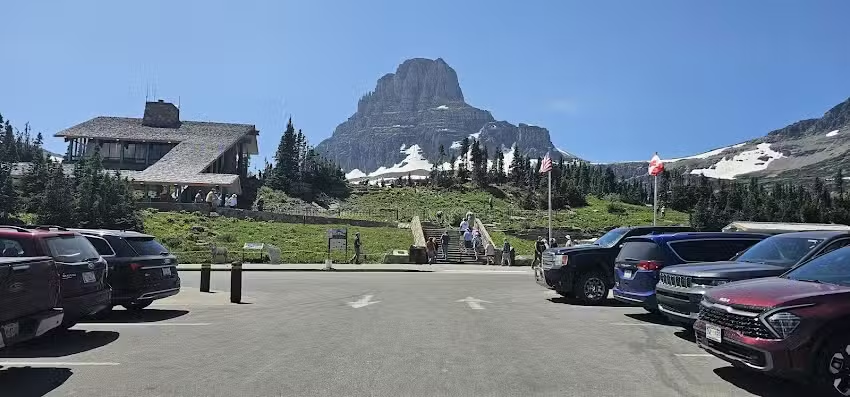
Despite its incredible assets, the Logan Pass Visitor Center is beset by one overwhelming challenge: parking. This single issue is the most common point of frustration and can severely impact a visit if not properly planned for. The parking lot is notoriously inadequate for the volume of visitors it receives during its short operational season.
The Parking Predicament
User accounts consistently describe the parking situation as a "battle." The lot frequently reaches full capacity before 7:00 AM, and sometimes as early as 6:15 AM, during the peak summer months. Visitors arriving later are often forced to circle the lot for extended periods—some for over an hour—or are turned away entirely when park staff close access. This reality means that a spontaneous midday visit is highly improbable. The competition for spots is fierce, leading to significant stress and lost time. This is the most critical of all travel tips for this location: your arrival time dictates your ability to experience the area.
Crowds and a Severely Limited Season
The popularity of the center and its trails naturally leads to significant crowds. The trails, particularly the boardwalk to Hidden Lake Overlook, can become congested, which may detract from the sense of wilderness for some. Compounding this is the extremely short operational window. Due to its high elevation and massive snowfall, Logan Pass is typically only accessible from late June or early July until late September. This brief season concentrates a year's worth of demand into a few months, intensifying the issues of crowding and parking.
Strategic Recommendations for a Successful Visit
Given the challenges, a strategic approach is essential for anyone planning a stop at Logan Pass. A well-prepared Glacier National Park itinerary must account for these realities.
- Arrive Before Sunrise: The most reliable way to secure a parking spot is to arrive extremely early. Aim to be in the parking lot no later than 6:30 AM. This requires an early start, especially considering the drive time to the pass from either park entrance.
- Consider a Late Afternoon Visit: An alternative strategy is to arrive late in the day. Some visitors have found parking to be much easier around 7:00 PM, as the morning hikers have already departed. This allows for an evening hike with beautiful light, though it requires careful timing to finish before dark.
- Utilize the Park Shuttle: To bypass the parking issue entirely, the park's free shuttle service is an excellent option. Visitors can park at the Apgar or St. Mary Visitor Centers and take the shuttle up to Logan Pass. The main drawback is the need to adhere to the shuttle's schedule, as the last return shuttle departs at 7 PM, which may limit your time for longer hikes.
- Check Status Before You Go: Always verify the status of the Going-to-the-Sun Road and the Logan Pass Visitor Center on the official National Park Service website before you begin your journey. Weather-related closures can happen unexpectedly, even within the short summer season.
In conclusion, the Logan Pass Visitor Center is an indispensable feature of any trip to Glacier National Park, offering unparalleled access to scenery, hiking, and wildlife. It functions as a de facto tour operator for some of the park's best self-guided mountain excursions. However, its immense popularity, coupled with logistical constraints like limited parking and a short season, demands rigorous and early planning. Visitors who arrive with a clear strategy will be rewarded with an unforgettable alpine experience, while those who do not may face significant frustration.