Lincoln County Museum
BackLocated at 600 7th Street in Davenport, the Lincoln County Museum serves as a dedicated repository for the region's local history. While not a conventional travel agency, it functions as a significant tourist attraction for those designing a travel itinerary focused on the heritage of eastern Washington. Its collection provides a tangible connection to the past, earning it consistently high praise from visitors, reflected in its impressive 4.8-star rating. The institution's primary strength lies in the personal and passionate approach of its staff, which transforms a simple visit into a memorable experience.
Visitors frequently report that the museum's personnel are not just employees or volunteers, but enthusiastic storytellers. Reviews highlight staff members, such as Denise, who provide delightful and informative tours, making the history of the area come alive. One visitor noted arriving just before closing time, only to have the staff "roll out the red carpet," engaging them in deep conversations about local and regional history. This level of personalized attention and exceptional customer service in tourism is a recurring theme, suggesting that the human element is central to the museum's appeal. This is the kind of authentic interaction that many travelers seek but rarely find, elevating a small county museum to a must-visit location for those interested in genuine cultural tourism.
A Closer Look at the Collection
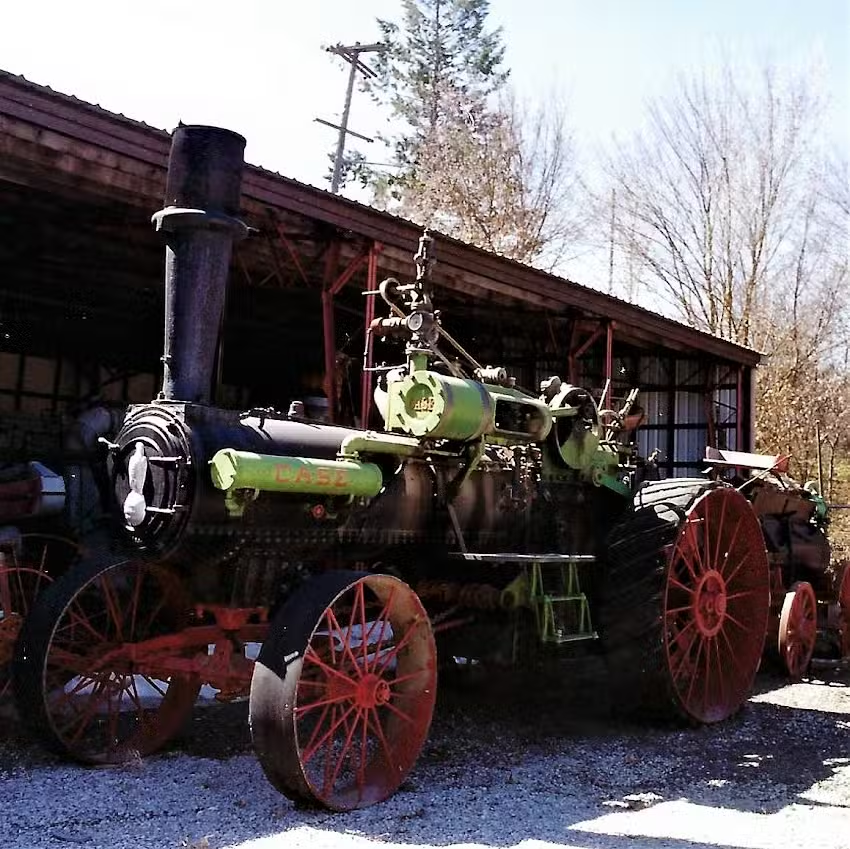
The museum's exhibits are often described as "eclectic" and well-organized, offering a comprehensive narrative of Lincoln County's development. Established in 1883 from a portion of Spokane County, Lincoln County's history is deeply rooted in agriculture, particularly wheat farming, which is a story well-told through the museum's artifacts. The collection includes a variety of items that paint a vivid picture of pioneer life. Visitors have specifically praised the extensive collection of black and white photographs that document the surrounding towns, as well as a notable display of hand plows that speaks directly to the area's agricultural backbone. The official website details a wide range of exhibits, including Native American artifacts, a recreated blacksmith shop, pioneer quilts, vintage fire engines, and even a historic prison cell where visitors can take photos. An especially unique exhibit chronicles the life and eventual capture of outlaw Harry Tracy in Lincoln County in 1902, complete with his death mask. This blend of agricultural history, pioneer life, and local lore ensures that the museum offers a multi-faceted historical tour.
The Visitor Experience: Strengths and Considerations
The overall atmosphere is one of care and dedication. Reviewers use words like "gem" and "lovely," noting the evident "care and love that was put into preserving history." This suggests that the museum is more than just a collection of objects; it is a cherished community institution. For travelers on a road trip through Washington, the museum offers a welcome and surprisingly modern convenience: a free Level 2 EV charging station in its parking lot. This thoughtful amenity, mentioned by a visitor who happened upon the museum randomly, demonstrates an awareness of contemporary travelers' needs and makes it a practical and appealing stop.
However, potential visitors must be aware of several limitations. The most significant drawback is the museum's operating hours. It is only open from 1:00 PM to 5:00 PM, Tuesday through Sunday, and is closed on Mondays. This restrictive afternoon schedule requires careful planning and may not fit every traveler's schedule, especially those passing through in the morning. Anyone considering including the museum in their vacation packages or day-trip plans must account for this limited window of opportunity. While the museum does offer visits by appointment throughout the year, this requires proactive communication.
Understanding the Scope and Scale
It is also important for prospective visitors to set realistic expectations. This is a small county museum, not a sprawling metropolitan institution. Its charm lies in its focused, local narrative. As one reviewer put it, it's a definitive place to "burn some time" if you're in the area, implying it may not be an all-day destination for everyone. Its appeal is strongest for those with a specific interest in the history of the Pacific Northwest or those who appreciate the intimate stories of rural American life. While it stands as a key local tourist attraction, its specialized nature means it is best appreciated as one component of a larger exploration of the region, rather than the sole purpose of a trip. The role of the institution extends beyond its exhibits, as it also functions as a Visitor Information Center, providing maps and brochures to aid tourists, a service often associated with destination management organizations.
- Positive Aspects:
- Extremely welcoming, passionate, and knowledgeable staff who provide personal tours.
- Well-organized and eclectic collection covering pioneer life, agriculture, and local history.
- Unique exhibits such as the Harry Tracy display and a historic jail cell.
- Modern amenities including a free EV charging station and Wi-Fi.
- Acts as a helpful Visitor Information Center for the county.
- Negative Aspects:
- Very limited operating hours (1:00 PM to 5:00 PM), requiring careful planning.
- Closed on Mondays.
- The niche, hyper-local focus may not appeal to all tourists.
- Smaller scale means it's a shorter visit, not a full-day activity.
In conclusion, the Lincoln County Museum offers a deeply authentic and highly personal journey into the history of Davenport and the surrounding area. Its success is built on a foundation of passionate community involvement, a well-curated collection of local artifacts, and a surprisingly forward-thinking approach to visitor convenience. While the restrictive hours present a logistical challenge, the overwhelmingly positive feedback suggests that for those whose schedules align, the experience is well worth the effort. It stands as a prime example of how smaller institutions can provide a rich, rewarding experience that rivals larger, less personal attractions, making it a valuable stop for any traveler seeking to connect with the true history of the region.