Libby Dam Visitor Center
BackLocated at 260 Souse Gulch Rd in Libby, Montana, the Libby Dam Visitor Center serves as more than just a stopping point; it functions as an essential tourism hub for understanding a monumental piece of engineering and its impact on the region. Operated by the U.S. Army Corps of Engineers, this center provides a deep dive into the history, purpose, and ongoing operations of the Libby Dam, making it a critical asset for anyone planning day trips or a more extended stay in the area. It is, in essence, a specialized travel agency for a unique intersection of technology and nature.
The facility has garnered a strong positive reputation, reflected in its high user ratings. Visitors consistently praise the engaging and educational nature of the experience. Unlike many similar attractions that offer little more than a scenic overlook, this center provides a comprehensive learning environment. The exhibits are thoughtfully designed to be interactive and informative, appealing to a wide range of ages and interests. A standout feature mentioned by many is a detailed 3D model of the dam and the surrounding Kootenai River valley, which effectively conveys the immense scale of the project. This is complemented by displays detailing the human story behind the dam—the lives of the construction workers and the history that necessitated such a massive undertaking. This focus on both the technical and human elements transforms a simple visit into a memorable lesson in history and engineering, a prime example of educational travel.
The Visitor Experience: Staff, Tours, and Amenities
One of the most significant assets of the Libby Dam Visitor Center is its staff. Numerous accounts highlight the friendly, welcoming, and exceptionally knowledgeable team, composed of both full-time employees and volunteers. There are remarkable stories of employees going above and beyond, such as a ranger reportedly opening the center after hours for a disappointed family who arrived to find it closed. This level of customer service is rare and demonstrates a genuine passion for the site and for public education. This dedication ensures that visitors feel valued and can have their questions answered thoroughly, making the center a reliable tourist information center for the dam and other local attractions.
The guided tours are a cornerstone of the visitor experience and are frequently cited as excellent. These tours, which typically last about an hour to an hour and a half, offer a behind-the-scenes look at the dam's operations. However, prospective visitors must be aware of key differences in tour content. During the summer, weekday tours (Monday-Thursday) often involve a walk across the top of the dam to an exhibit tower. Weekend tours, conversely, may provide access to the powerhouse itself, offering a look at the massive turbines that generate electricity for the region. This distinction is important for planning, as those with a keen interest in the mechanics of power generation should aim for a weekend visit if possible. All tours require adults to present a photo ID, and security measures, such as prohibiting bags, are in place.
Family-Friendliness and Recreational Opportunities
The center is well-equipped for families, making it an ideal destination for a family vacation spot. Inside, a dedicated kids' area and a small theater showing films about the dam provide engaging content for younger visitors. The facilities, including the restrooms, are consistently described as clean and well-maintained. Beyond the center itself, the surrounding Souse Gulch day-use area expands the recreational possibilities. It features a playground, picnic shelters, and a boat ramp providing access to Lake Koocanusa. For more active visitors, the area also boasts the Kooky-Noosa, a challenging 18-hole disc golf course. These amenities allow a trip to the dam to be a full-day affair, combining education with outdoor recreation.
Crucial Considerations and Potential Downsides
Despite the overwhelmingly positive feedback, there are significant limitations that potential visitors must consider. The most critical factor is the center's seasonal operation. The Libby Dam Visitor Center is primarily a summer destination, typically open daily from late May or early June through September. Outside of this period, it is often closed, and access may only be available by special appointment. Critically, visitor reviews and official information indicate that the access road may not be maintained during the winter, making a visit challenging or impossible. Furthermore, construction projects can impact accessibility; for instance, tours were announced to be on hold from late 2025 into 2026 due to onsite work. Therefore, checking the official website or calling ahead is absolutely essential when planning any Montana travel that includes this stop.
Another point of consideration is the variability of the guided tours. The difference between weekday and weekend tour access—specifically regarding the powerhouse—means that visitors might miss out on a key part of the experience if they don't time their visit correctly. While the top-of-dam tour is still impressive, those wanting the full mechanical immersion should plan accordingly. Lastly, its location, while offering stunning scenic views, is relatively remote, situated about 17 miles from the town of Libby. A visit requires a dedicated drive and cannot be treated as a quick, casual stop. The lack of cell phone service in the area also means visitors should be prepared and self-sufficient.
A Monument of Engineering and International Cooperation
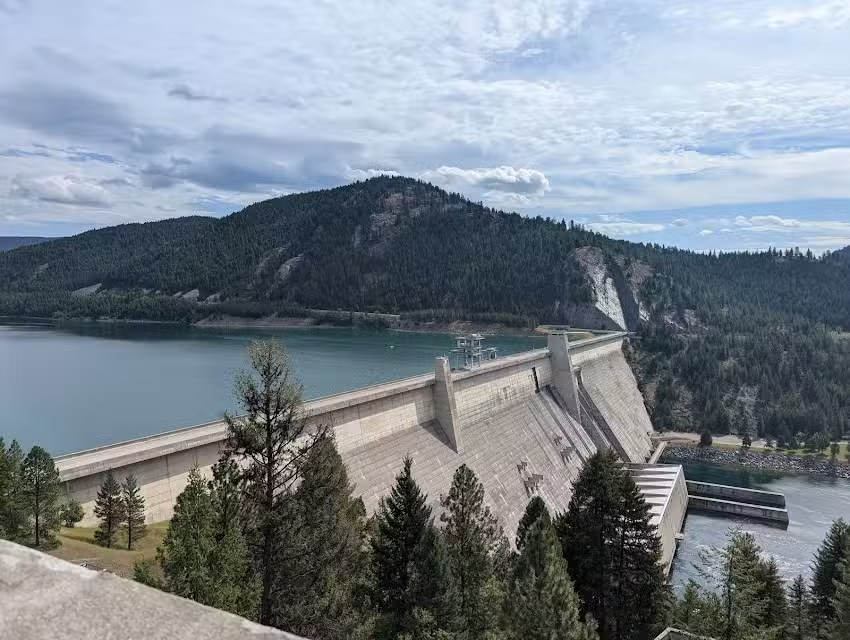
The dam itself is an undeniable engineering marvel. Standing 422 feet tall and stretching over 3,000 feet long, it was constructed from 7.6 million tons of concrete. Authorized as part of the 1964 Columbia River Treaty between the United States and Canada, its primary purposes are flood control and hydroelectric power generation. The dam holds back the 90-mile-long Lake Koocanusa, a name cleverly derived from the Kootenai River, Canada, and USA. Forty-two of those miles extend into British Columbia, making it a significant international body of water. The construction, which began in 1966 and concluded in 1972, was a monumental effort that transformed the landscape, even requiring the entire town of Rexford to be relocated. The five turbines within the powerhouse can generate 600 megawatts, enough to supply hundreds of thousands of homes. The visitor center does an admirable job of contextualizing this massive project, explaining its vital role in preventing devastating floods like the one that destroyed Vanport, Oregon, in 1948, which was a major catalyst for the dam's approval.
In conclusion, the Libby Dam Visitor Center is a surprisingly robust and deeply informative attraction. It successfully balances its role as a museum, a recreational hub, and a tourist information center. The combination of excellent exhibits, outstanding staff, and valuable guided tours makes it a highly recommended destination. However, its significant seasonal limitations and the variability of its tour offerings demand careful planning. For travelers prepared to work within these constraints, the center offers a rich, rewarding experience that provides profound insight into one of the great engineering feats of the Pacific Northwest.