Leonard Lake Reserve
BackLeonard Lake Reserve presents itself as a highly specialized destination, catering to a specific type of traveler rather than the general tourist. It operates less like a conventional hotel and more like an exclusive-use venue set within a vast 4,000-acre private wilderness in Mendocino County. The core offering is not just lodging, but the temporary ownership of a serene and isolated natural environment, centered around what is noted as the largest natural lake in the county. This positions the reserve as a unique player among travel agency portfolios, focusing entirely on immersive group experiences like weddings, corporate retreats, and large family reunions. The business model hinges on renting out its collection of six houses and various cabins as a complete package, ensuring that visiting groups have the entire property to themselves. This approach guarantees privacy and a tailored experience, making it a prime candidate for those undertaking detailed travel planning for significant life events.
The Experience: Strengths and Highlights
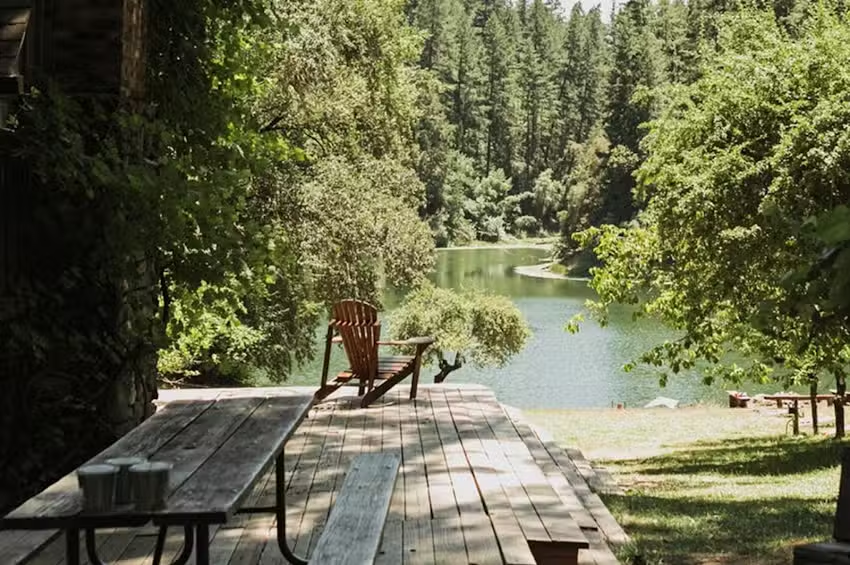
The most consistently praised aspect of Leonard Lake Reserve is its profound sense of seclusion and natural beauty. For clients seeking an escape, the location is its own primary amenity. Reviews frequently describe the setting as "magical," a direct result of being surrounded by old-growth redwood forests and the private 18-acre lake. This environment is the backdrop for the entire stay, offering built-in activities like hiking on established trails, boating in provided canoes and kayaks, fishing for small-mouth bass, and stargazing without light pollution. For a tour operator specializing in wellness or nature retreats, this built-in itinerary is a significant asset.
The reserve has firmly established itself as a premier venue for destination weddings and other private events. Testimonials from clients who have hosted weddings of around 40 to 95 people are overwhelmingly positive. The appeal lies in its "summer camp" atmosphere, where guests can stay on-site for a multi-day celebration, fostering a communal and intimate experience. The operational staff, particularly hosts Shannon and Jared, receive high marks for being responsive, helpful, and communicative, yet respectful of guests' privacy. This level of service is crucial for a successful travel management company partnership, as it ensures events run smoothly from a logistical standpoint. The management's willingness to go "above and beyond" for clients is a recurring theme.
Another significant strength, especially for group travel, is the quality of the facilities. The cabins and houses are not just shells for sleeping; they are fully equipped for communal living. One of the most detailed reviews passionately highlights the kitchen in the main house, describing it as the "best house rental kitchen I've ever seen," complete with extensive dishware and even specialized items like cake stands. This attention to detail is invaluable for groups that prefer self-catering, allowing them to prepare elaborate meals and control their dining experience. The presence of wood-burning stoves, with firewood provided, adds to the rustic, cozy ambiance that defines the reserve's brand.
Challenges and Considerations for Potential Visitors
Despite its many positive attributes, there are critical factors that potential visitors must weigh. The most significant drawback, mentioned even in a 4-star review, is the journey to the reserve. The property is located at the end of Reeves Canyon Road, a route described by visitors as "awful" and challenging to navigate. Further research confirms this is a long, winding, and partially unpaved private road that may require a high-clearance vehicle. This is not a minor inconvenience; it is a fundamental aspect of the experience that requires serious consideration during trip planning. Visitors with low-slung cars, those unaccustomed to rural roads, or anyone prone to motion sickness should be well-informed before booking. This accessibility issue is a major filter, naturally selecting for guests who are prepared for a degree of adventure travel.
Physical accessibility on the property itself is also limited. The business explicitly notes that it does not have wheelchair-accessible entrances. The rugged, natural terrain and multi-level rustic cabins would likely pose significant challenges for individuals with mobility issues. This is a crucial detail that must be communicated clearly to all potential clients to avoid serious disappointment and logistical problems upon arrival.
Finally, the reserve's seclusion is a double-edged sword. While it provides unparalleled privacy, it also means guests are far from nearby towns, shops, or restaurants. There is no cell reception on the property, though Wi-Fi is available in the houses. This necessitates meticulous planning. Visitors must bring all necessary food, supplies, and personal items for their entire stay. This self-sufficiency is part of the intended experience, but it may not be suitable for those who prefer the convenience of nearby services. These factors make it a destination for deliberate, well-prepared travelers rather than spontaneous tourists.
Ideal Clientele and Final Assessment
Leonard Lake Reserve is not a one-size-fits-all destination. It is a premium, niche offering that excels in providing a private, nature-centric venue for groups. Its ideal client is someone planning a multi-day event who values exclusivity and a rustic, DIY-style celebration over polished, full-service convenience. The requirement to book the entire property makes it an option for those seeking exclusive tours or private holiday packages for a large group.
- Best suited for:Destination weddings, large family reunions, corporate retreats, and wellness groups who want a private, natural setting and are willing to handle their own catering and event details.
- Less suited for: Individuals or small families seeking a short-term rental, travelers with mobility issues, those uncomfortable with difficult driving conditions, or anyone who desires proximity to urban amenities.
In conclusion, Leonard Lake Reserve functions as a highly effective, specialized travel agency for a single, unique location. Its strengths—breathtaking scenery, exclusive use, and well-managed facilities—are powerful draws. However, these are balanced by significant accessibility challenges that must be a central part of any potential visitor's decision-making process. For the right group, the difficult journey is a small price to pay for the magical and intensely private experience that awaits them. For others, it is a non-starter. Transparency about both the rewards and the obstacles is key to appreciating what this unique reserve has to offer.