Lacassine National Wildlife Refuge Visitor Information Station
BackLocated at 209 Nature Road in Lake Arthur, Louisiana, the Lacassine National Wildlife Refuge Visitor Information Station serves as a crucial entry point for a specific kind of travel. While it is categorized as a travel agency, potential visitors should adjust their expectations. This is not a commercial firm that books elaborate vacation packages or flights. Instead, it functions as a specialized facilitator for self-directed ecotourism and nature travel, providing the essential information needed to engage with the vast 35,000-acre Lacassine National Wildlife Refuge. Its primary role is to equip visitors for an immersive experience in one of Louisiana's most significant natural habitats.
The Experience: A Gateway to Tranquil Wildlife Observation
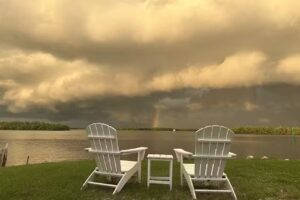
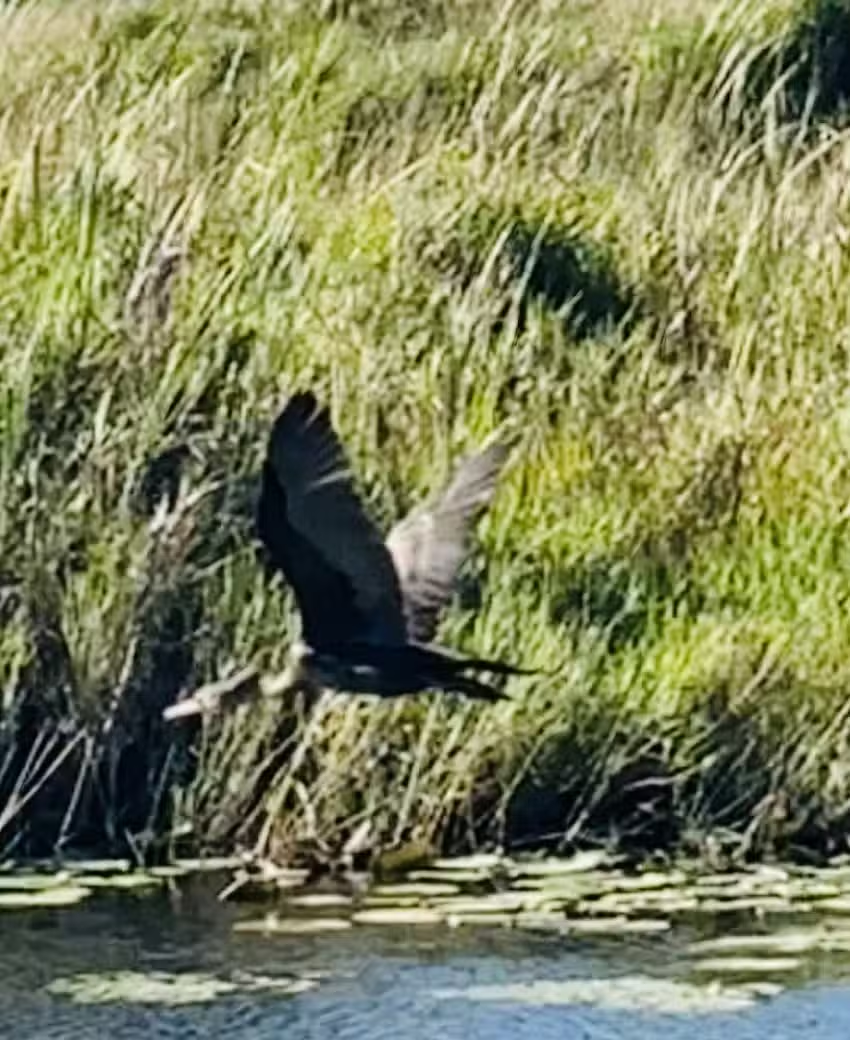
For those seeking a quiet escape, the station is the start of a rewarding journey. The overall sentiment from many who visit is one of peace and calm. Visitors have described the area as a "cool, calm, & collected" spot, perfect for a quiet outing to connect with nature. The main attraction facilitated by the information station is access to the refuge's scenic drives, particularly the route around the 16,000-acre Lacassine Pool. This drive is the centerpiece of the visitor experience, allowing for exceptional wildlife viewing from the comfort of a vehicle, a method encouraged to minimize disturbance to the animals. The refuge is a sanctuary, particularly for waterfowl, hosting peak populations of over 300,000 ducks and 80,000 geese in the winter months, making it a premier destination for bird watching tours. Bird enthusiasts can spot an incredible variety, including Northern Pintails, Roseate Spoonbills, various egrets and herons, and numerous species of geese.
The experience is largely self-paced, appealing to independent travelers and families looking to simply drive and observe. One visitor noted it as a "nice little outing to see nature," having spotted a deer along the way. The tranquility is a major draw, as the refuge is remote enough that you may only encounter a few other people during a visit. This solitude enhances the feeling of being immersed in the environment. The station also provides access to other forms of outdoor recreation, including about 30 miles of levees and service roads for hiking, designated fishing areas, and opportunities for nature photography.
Positive Attributes and Amenities
- Exceptional Birding: As a key point on the Mississippi and Central Flyways, the refuge is a globally important area for migratory birds. The information station provides the starting point for some of the best waterfowl viewing in the country.
- Peace and Solitude: Multiple reviews highlight the peaceful and relaxing atmosphere, making it an ideal destination for those looking to de-stress and enjoy a quiet day.
- Accessibility: The facility notes a wheelchair-accessible entrance, and parts of the Lacassine Pool unit are designed to be accessible, including handicapped-accessible fishing piers, which is a significant plus for visitors with mobility challenges.
- Self-Directed Exploration: For those who prefer to set their own agenda, this is a major advantage. You can spend as much or as little time as you like, focusing on personal interests like photography, fishing, or simply enjoying the drive.
Areas for Improvement and Potential Drawbacks
Despite the natural beauty, the experience is not without its flaws, and visitors should be aware of potential issues before planning a trip. The most significant concern raised pertains to facility maintenance and safety. One visitor reported a serious issue at the lookout tower, a key feature for getting an elevated view of the marsh. The tower was reportedly swarmed by "50 to 100 wasps," making it completely inaccessible and posing a genuine danger. This feedback suggests that while the broader landscape is impressive, specific man-made structures intended to enhance the visitor experience may not be consistently maintained. This is a critical piece of information for any form of adventure travel, where safety is paramount.
Furthermore, the nature of the visit is very rustic. While there are informational kiosks and portable toilets available at the Lacassine Pool, amenities are minimal. The visitor station itself has limited hours, typically open on weekdays when staff is present, and it's recommended to make an appointment before arrival. This is not a full-service visitor center with extensive exhibits or a gift shop. It is a functional hub for a self-reliant trip into nature. Those seeking structured activities like regularly scheduled guided tours will not find them here; the emphasis is on individual exploration. This lack of structured programming could be a drawback for tourists accustomed to more comprehensive services from a tourism destination.
Points of Caution for Potential Visitors
- Maintenance Issues: Key attractions like observation towers may be unusable due to safety hazards like insect infestations, which can significantly detract from the experience.
- Limited Services: Do not expect extensive facilities. Visitors should come prepared with their own water, food, and insect repellent. The experience is centered on the drive and the natural environment, not on visitor center amenities.
- Primarily a Vehicle-Based Tour: While hiking is permitted on levees, the primary way to see the refuge is by car. The most positive experiences mentioned often involve staying within the vehicle, which might not appeal to everyone.
- Self-Reliance is Key: Effective travel planning is essential. As a largely unstaffed experience outside of the information station's limited hours, visitors are responsible for their own navigation and safety within the refuge.
Conclusion: A Destination for the Prepared Nature Lover
The Lacassine National Wildlife Refuge Visitor Information Station is an asset for a specific type of traveler. It's an excellent resource for avid birdwatchers, photographers, and anyone seeking a peaceful, scenic drive through a unique marshland ecosystem. Its classification as a travel agency is best understood in the context of facilitating ecotourism by providing access and information, rather than booking services. The positives are clear: unparalleled opportunities for wildlife viewing in a serene setting. However, the negatives are equally important to consider. The potential for poorly maintained facilities presents a real concern that can impact a visit. Ultimately, this destination offers a profound connection with nature for those who come prepared for a rustic, self-guided adventure and are willing to overlook the lack of amenities and potential inconsistencies in upkeep.