La Luz Desert Retreat
BackWhen searching for a secluded getaway in Utah's vast desert landscapes, the name La Luz Desert Retreat in Escalante might surface in dated search results or fond memories. However, for any potential traveler planning a future trip, the most critical piece of information is the first: this establishment is permanently closed. Its story is no longer one of booking and visiting, but rather a retrospective look at a business that aimed to offer quiet solitude and what its presence and absence mean for tourism in the region.
La Luz Desert Retreat was not a traditional hotel. Based on its operations and classifications, it functioned as a specialized vacation packages provider, blending property management with travel facilitation. The business was described as a "vacation home rental agency," suggesting it managed a portfolio of private properties, offering them to travelers seeking an alternative to standard lodging. This model is increasingly popular in destinations prized for their natural beauty, providing guests with a sense of living in the location rather than just visiting. The combination of its services, which fell under the umbrellas of both a travel agency and a real estate agency, points to a complex and ambitious business model. It likely catered to clients looking for curated desert experiences, potentially bundling stays with other services, a hallmark of a boutique tour operator.
The Appeal of Curated Solitude
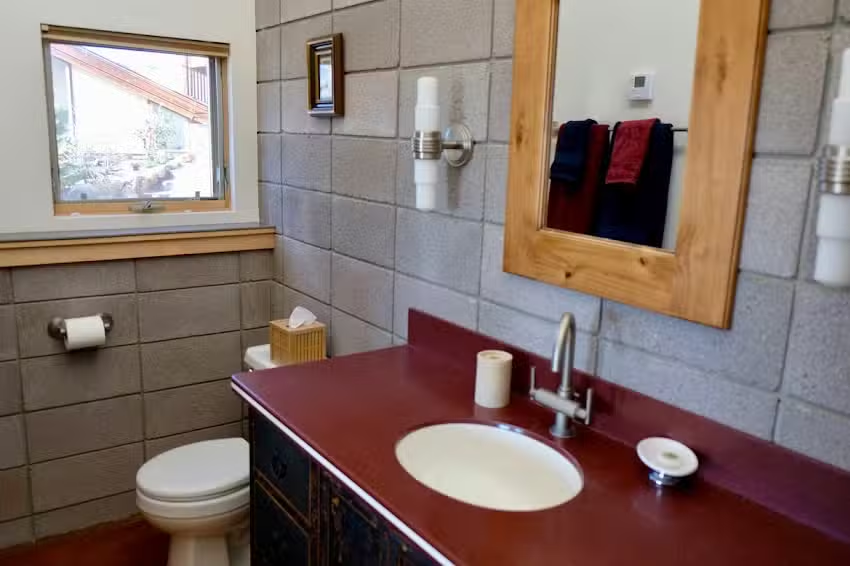
The primary draw for La Luz Desert Retreat, as echoed in the handful of public reviews left during its operation, was its promise of peace. Guests used words like "delightful," "quiet solitude," and "peaceful" to describe their experience. In a world of constant connectivity, La Luz marketed an escape. The properties, as seen in available photographs, featured a modern, minimalist desert aesthetic. Clean lines, large windows to frame the dramatic Utah landscape, and an uncluttered design philosophy aimed to complement the surrounding environment rather than compete with it. This focus on atmosphere and design suggests a target audience that valued aesthetics and tranquility over bustling resort amenities.
Its location in Escalante was a strategic advantage. The town is a gateway to the immense Grand Staircase-Escalante National Monument, a prime destination for adventure travel. Guests at La Luz would have had unparalleled access to hiking, canyoneering, and photography opportunities. The business likely facilitated guided tours, connecting visitors with local experts who could navigate the rugged terrain safely. This service would have positioned La Luz as more than just an accommodations provider; it acted as a facilitator for deep engagement with the region, a key function of a successful destination management company. For travelers seeking a seamless experience, having a host that could handle both lodging and activity planning would have been a significant benefit.
Analyzing the Business Model's Strengths
The hybrid model of La Luz had distinct advantages. By managing private homes, it could offer unique, high-quality lodging that felt more personal than a hotel room. This approach aligns with trends in luxury travel, where exclusivity and unique experiences are prized. Furthermore, by incorporating elements of a travel agency, it could create comprehensive holiday packages. A hypothetical package might have included a three-night stay in a desert-modern home, a privately guided slot canyon tour, and a list of curated dining recommendations. This level of travel planning removes logistical burdens from the traveler, allowing them to focus solely on the experience.
The real estate component, while less clear, could have served two functions. It might have involved helping clients purchase their own vacation homes, which La Luz would then manage and rent out on their behalf, creating a pipeline of properties. Alternatively, it could have been a separate arm of the business catering to those who fell in love with the area and decided to invest. This multifaceted approach, while complex, aimed to create a self-sustaining ecosystem centered on high-end tourism in Escalante.
Challenges and Unanswered Questions
Despite its appealing concept, the business ultimately ceased operations. The most glaring negative point for La Luz Desert Retreat is its permanence. A past guest who enthusiastically stated, "We'll go back!" can no longer do so. The reasons for its closure are not publicly documented, leaving a void in its story. This silence prevents a full analysis of the pitfalls it encountered, whether they were financial, operational, or personal.
The digital footprint of the business is also telling. With only six public ratings on its Google profile, its market reach may have been limited. This could be by design, targeting a very niche, word-of-mouth clientele, or it could indicate struggles with marketing in a competitive landscape. While the average rating was a respectable 4.3, this is skewed by a single one-star review left without comment. This anonymous mark of dissatisfaction hints that not every client experience was flawless, but without details, the specific shortcomings remain unknown.
Operating such a multi-pronged business in a relatively remote area like Escalante presents significant challenges. The logistics of managing multiple properties, coordinating with tour guides, and potentially handling real estate transactions require substantial resources and expertise. The success of such a venture depends heavily on reliability, impeccable service, and consistent demand. The tourism market in southern Utah is seasonal and competitive, with many unique lodging options now available, from glamping yurts to luxury tiny homes. It is possible that this competitive pressure, combined with the operational complexity, proved unsustainable.
The Legacy in the Escalante Tourism Scene
La Luz Desert Retreat can be seen as a reflection of the evolving nature of tourism. It was an early adopter of the experience-driven travel model, where the accommodation itself is a key part of the adventure. It went beyond just providing a bed and aimed to deliver a lifestyle—one of minimalist luxury, quiet contemplation, and deep connection to nature. It was a purveyor of specialty travel, catering to a discerning traveler who wanted more than a checklist of sights.
For travelers today who are disappointed to find La Luz closed, the good news is that the spirit of its offerings lives on in other Escalante businesses. The demand for unique stays has given rise to a variety of innovative lodging options that also emphasize design and location. While these competitors may not offer the same integrated real estate and travel agency services, they provide a base for exploring the region's wonders. The lesson from La Luz's story for potential customers is to seek out providers who not only offer interesting accommodations but also demonstrate a deep knowledge of the area and can assist with custom trips and activity planning. While the specific entity of La Luz Desert Retreat is gone, the desire for the kind of peaceful, immersive desert experience it championed remains stronger than ever.