
John Pennekamp Coral Reef State Park Visitor Center
BackOperating as the central hub for the United States' first undersea park, the John Pennekamp Coral Reef State Park Visitor Center is far more than a simple entry point; it functions as a comprehensive travel agency for aquatic adventures. This facility organizes and dispatches a variety of excursions, positioning itself as a primary tour operator for anyone looking to experience the unique marine ecosystems of the Florida Keys. The services and experiences offered here have distinct advantages and some notable drawbacks that potential visitors should consider for optimal vacation planning.
On-Site Facilities: More Than Just a Ticket Booth
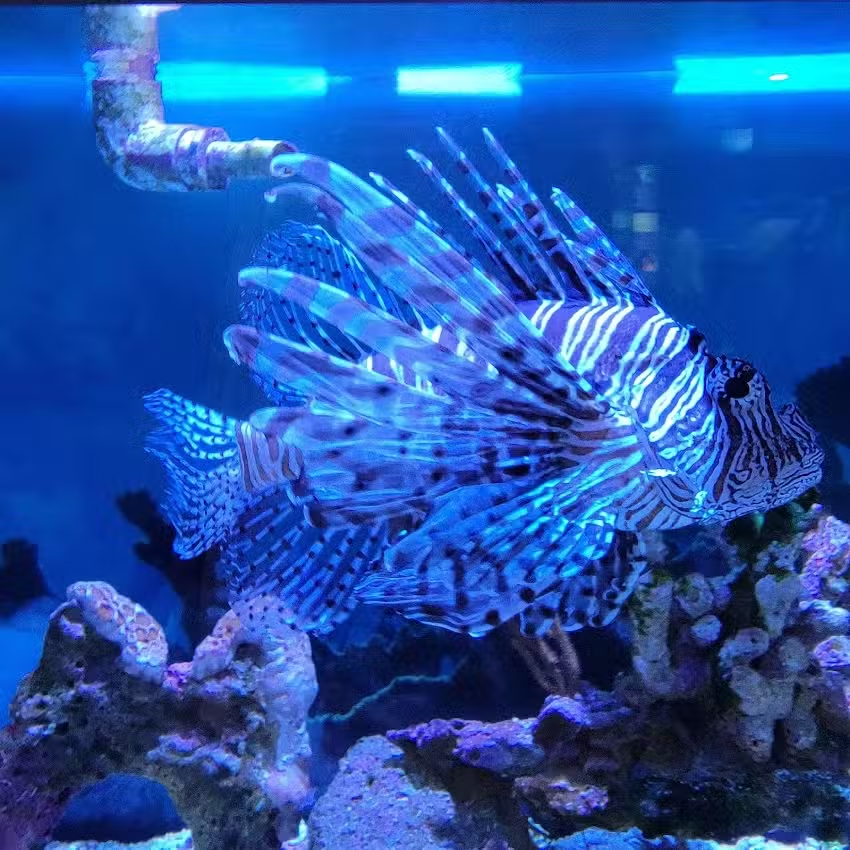
Before even stepping onto a boat, the visitor center provides significant value. It houses a surprisingly well-regarded 30,000-gallon saltwater aquarium that showcases local reef fish and marine life. This feature, included with the park's entrance fee, serves as an excellent educational primer for the main event offshore. Visitors, especially families, find this a compelling attraction, with exhibits on conservation, invasive species like the lionfish, and the general ecology of the reef. Complementing the aquarium is a theater that plays a nature film on a loop, further enhancing the educational mission of this eco-tourism destination. These amenities ensure that a visit is worthwhile even if weather conditions are not favorable for water activities.
Organized Marine Excursions: The Core Offering
The primary function of the visitor center is to facilitate access to the coral reefs. It operates as a full-fledged tour company, offering a range of scheduled trips designed for different comfort levels and interests.
Professionalism and Safety of the Crew
A recurring theme in visitor feedback is the high level of professionalism demonstrated by the boat crews. Captains and their mates, such as the frequently mentioned Captain Ed, are consistently praised for their knowledge, helpfulness, and commitment to safety. This is particularly reassuring for first-time snorkelers or families with children. The crews provide clear instructions and all necessary equipment, making the experience accessible to all skill levels. A key indicator of their expertise is the practice of dynamically changing tour destinations based on sea conditions. For instance, if the seas are too choppy for a comfortable experience at a popular site like the Christ of the Abyss statue, captains will divert to calmer waters like Grecian Rocks to ensure a better and safer outing for guests. While this means a specific landmark isn't guaranteed, it underscores a commitment to customer experience over a rigid itinerary.
Variety of Tours
The center provides a diverse array of travel packages and activities catering to a wide audience:
- Snorkeling Tours: These are the most popular excursions, running multiple times a day. They typically last around 2.5 hours, providing ample time on the reef to observe a wide variety of fish, corals, barracuda, rays, and even sea turtles.
- Scuba Diving: For certified divers, the park's PADI Five-Star dive shop organizes two-tank dives to deeper sections of the reef. This service solidifies the center's role as a serious hub for adventure travel.
- Glass-Bottom Boat Tours: Recognizing that not everyone wants to get in the water, the center offers tours on a glass-bottom boat. This provides a way for all ages and abilities to view the reef, making it a highly accessible option.
Potential Downsides and Practical Considerations
Despite the high ratings and positive experiences, there are significant operational and environmental factors that can impact a visit. Acknowledging these realities is crucial for managing expectations.
High Dependency on Weather
The single most critical factor affecting the quality of an offshore excursion is the weather, specifically wind. As one visitor noted, winds of around 16 mph can lead to a "bad" snorkeling experience with poor visibility and rough seas. For the best conditions, prospective visitors are strongly advised to check the marine forecast and aim for days with winds between 0 and 6 mph. This is a crucial piece of information that this excursion provider cannot control, and it can make or break the primary reason for visiting.
Crowds and Logistics
The park's popularity is a double-edged sword. During peak seasons, such as late December, or on weekends, the park can become extremely crowded. Parking is limited, and it's not uncommon for the lots to fill up by late morning, leading to long queues at the entrance and temporary park closures. To avoid this, an early arrival (before 10:00 AM) is highly recommended. The visitor center itself can also become crowded, which might detract from the experience of viewing the aquarium exhibits.
Motion Sickness on Boat Tours
While the glass-bottom boat is an excellent alternative for non-swimmers, it is not immune to the motion of the ocean. Some visitors report feeling seasick, particularly when the boat is stationary over the reef and bobbing in the waves. The staff often provides motion sickness tablets, but those sensitive to it should take precautions.
Conclusion
The John Pennekamp Coral Reef State Park Visitor Center excels as a local travel agency dedicated to marine life. It provides well-managed, safe, and educational tours led by a highly competent staff. The addition of a quality aquarium and theater adds substantial value to the entrance fee. However, the experience is not without its challenges. The profound impact of weather on the main attractions and the logistical issues of crowding and parking are significant considerations. Prospective customers will have the best experience by planning ahead: arrive early to secure parking and, most importantly, check the marine forecast diligently before booking a tour to ensure the underwater world they came to see is visible and enjoyable.