
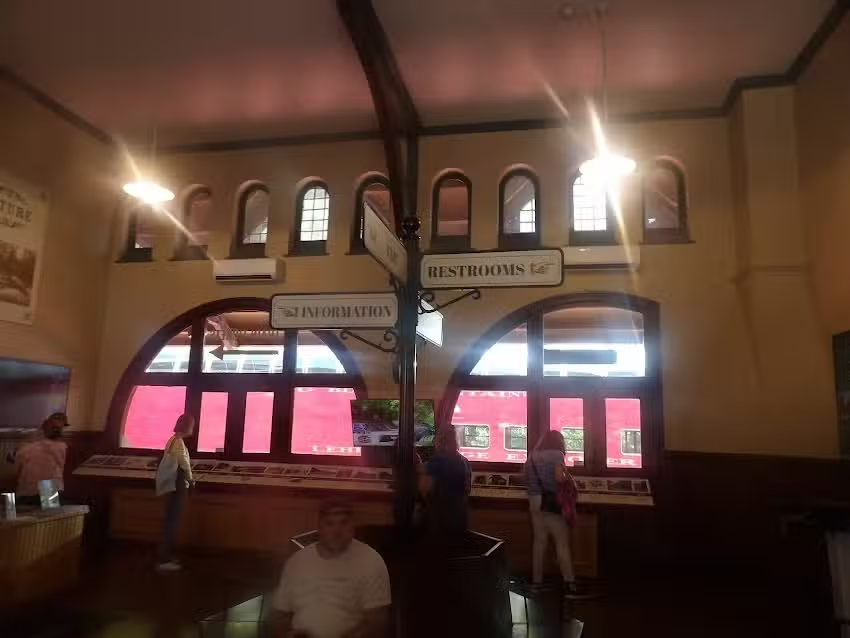
Jim Thorpe Visitors Center
BackLocated at 2 Susquehanna Street, the Jim Thorpe Visitors Center serves as the official starting point for many travelers arriving in this popular Pocono Mountains town. Operated as a local arm of the Pocono Mountains Visitors Bureau, it functions less as a traditional travel agency that books full trips and more as a crucial tourist information center for on-the-ground logistics and discovery. Its value lies in providing immediate resources, but visitors should be aware of the significant logistical challenges of the town it promotes, which the center can help navigate but not eliminate.
The center's primary strength is its role as a comprehensive information hub. Inside, visitors will find an extensive collection of brochures, maps, and local publications. As noted by guests, these materials are not just for show; they are practical tools that can lead to discovering local gems like cafes and lesser-known points of interest. This makes the center an essential first stop for effective travel planning. The staff are frequently commended for being friendly, knowledgeable, and genuinely helpful. They provide valuable insights on everything from the town's rich history to current events, dining options, and the operational details of major attractions like the Lehigh Gorge Scenic Railway. This personal touch elevates the experience beyond simply picking up pamphlets and helps visitors create customized itineraries based on real-time information.
The On-Site Experience: Amenities and Accessibility
The facility is equipped with essential amenities that travelers appreciate. The availability of public restrooms is a significant convenience, especially for families and those arriving after a long drive. Furthermore, the building is wheelchair accessible, ensuring that visitors with mobility challenges can comfortably access the resources within. These practical features underscore its function as a welcoming gateway for all tourists. The center also acts as a ticket booth for the Jim Thorpe Trolley Co., centralizing one of the town's key tour services right at the main point of entry.
Strengths of the Visitors Center
- Wealth of Information: An abundance of free maps, brochures, and guides helps visitors orient themselves and discover activities.
- Helpful Staff: Employees are consistently praised for their informative and welcoming nature, offering personalized recommendations.
- Essential Facilities: Clean, accessible restrooms and wheelchair access make it a practical first stop for all travelers.
- Centralized Ticketing: It serves as a physical point of sale for some local tours, simplifying the planning process for visitors already in town.
Significant Challenges and Considerations
Despite the center's positive attributes, potential visitors must contend with several major drawbacks associated with its location and the town's immense popularity. The most frequently cited issue is parking. The Visitors Center is situated within the main Carbon County Municipal Parking lot, which is convenient but comes at a steep price. On weekends and holidays, the cost can be as high as $25 per day for a car. This significant expense can be a jarring start to a day trip and should be factored into any travel budget. While there are some metered on-street options and occasional shuttle services during major festivals, the main lot is the most prominent, and its cost is a recurring point of frustration for many.
Another major issue is the sheer volume of tourists, especially during peak seasons like the fall foliage weekends. This popularity, which the center's marketing contributes to, often leads to a challenging visitor experience. Many key attractions promoted by the center, such as the Lehigh Gorge Scenic Railway and the historic trolley tour, sell out quickly. A significant frustration for modern travelers is that same-day online ticket purchases are often not possible for the train. During the intensely busy fall season, all train tickets must be purchased in person, on the day of the trip, on a first-come, first-served basis. This policy can lead to long waits and disappointment for those who arrive without a plan, a scenario that a modern tour operator would typically help clients avoid. The center's staff can provide information on this, but it highlights a systemic issue in the town's destination management.
Weaknesses and External Factors
- Prohibitive Parking Costs: The adjacent lot's high weekend fees ($25/day) are a major financial deterrent.
- Overcrowding Issues: The town's popularity leads to sold-out tours, long lines for shops, and extended waits at restaurants, diminishing the visitor experience.
- Outdated Ticketing Systems: The inability to book some popular attractions online for same-day trips can cause significant inconvenience and frustration.
Strategic Use of the Visitors Center
For those planning a trip, the Jim Thorpe Visitors Center is best used as a strategic tool rather than just a passive information stop. Arriving early, especially on a weekend, is critical. The first action upon parking should be a visit to the center. Here, you can confirm the status of key attractions, purchase any available tickets, and get advice from the staff on how to structure your day to minimize waiting and avoid sold-out activities. This proactive approach to itinerary planning can make the difference between a frustrating day and a successful one.
The center's role is to facilitate the best possible visit within the existing infrastructure. While it cannot control parking prices or the ticketing policies of independent attractions, it provides the necessary intelligence to navigate these obstacles. It is the central nervous system for the town's tourism, offering a realistic snapshot of what to expect on any given day. Whether you are interested in historical tours, outdoor activities that qualify as adventure travel, or simply finding a good place to eat, the information provided here is invaluable. By understanding its strengths as an informational resource and its limitations in solving the town's larger logistical problems, visitors can better manage their expectations and craft a more enjoyable experience. It is an essential component of any visit, but one that must be paired with careful, early planning to truly be effective.