Jefferson Lines
BackOperating from 1450 8th St NW, Jefferson Lines provides Pine City with a direct link to a broader network of destinations across the American Midwest. This service functions less like a traditional travel agency and more as a crucial provider of intercity bus travel, connecting smaller communities to larger urban centers. With a history stretching back to 1919, the company has established itself as a significant player in regional transportation, offering a service that is deeply integrated into the travel fabric of 14 states. For residents of Pine City, this translates to direct or connecting routes to locations such as Minneapolis, Duluth, St. Paul, and beyond, making it a fundamental component of the local public transportation infrastructure.
Core Service and Operational Model
Jefferson Lines focuses on providing scheduled bus routes that serve a wide array of towns and cities. The primary offering is the sale of bus tickets for point-to-point travel. Customers typically engage with the company through its website or a central phone number for bookings and inquiries, as the Pine City location is a designated bus stop rather than a fully-staffed terminal. This operational model is common for servicing smaller localities, prioritizing accessibility to the network over on-site amenities. The company's fleet is generally equipped with features intended to make journeys more comfortable, such as onboard restrooms, reclining seats, individual climate controls, and power outlets. Many buses also offer complimentary Wi-Fi, although the service has bandwidth limitations that prevent streaming. This positions Jefferson Lines as a provider of essential transportation services for a variety of travel needs.
The Positives: Connectivity and Affordability
The most significant advantage of the Jefferson Lines service in Pine City is its role as a connector. For individuals without personal vehicles, students, or those seeking to avoid the costs and stresses of driving, it offers a vital link to educational institutions, medical appointments, family, and leisure destinations in other cities. This connectivity is a cornerstone of their value proposition, filling a gap in the regional transportation network.
Furthermore, the service is built around the principle of affordable travel. Bus transportation is consistently one of the most economical ways to cover long distances, and Jefferson Lines is known for its budget-friendly fares. This makes travel accessible to a wider demographic. The company often provides various discounts for seniors, students, military personnel, and groups, which can further enhance its value as a budget travel option. For many, the cost savings outweigh the potential inconveniences, making it the default choice for regional journeys. The straightforward online booking process is also frequently cited as a convenience, allowing for effective travel planning without the need to visit a physical ticket counter.
Potential Drawbacks and Areas for Consideration
While the service provides essential connectivity, potential customers should be aware of several common criticisms and operational realities. A frequent point of contention across the network is punctuality. Customer experiences are mixed, with some reporting on-time departures and arrivals while others cite significant delays or even no-show buses. The company's own website features a bus tracker tool, but some users have reported issues with its functionality, leading to uncertainty on travel days. These scheduling inconsistencies can be a major issue for travelers with tight connections or inflexible itineraries.
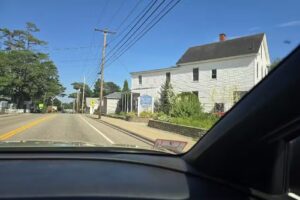
Another critical factor is the nature of the Pine City stop itself. It is not a dedicated station with a waiting room, Jefferson Lines staff, or other facilities. It is a pickup and drop-off point, which means travelers may have to wait outdoors or in a nearby business, regardless of weather conditions. This lack of amenities requires passengers to be self-sufficient and prepared for a more rustic travel experience compared to an airport or train station.
The onboard experience can also be inconsistent. While many modern buses are in the fleet, the cleanliness and state of repair can vary. Similarly, the reliability of amenities like Wi-Fi and power outlets is not always guaranteed, which can be a frustration for those planning to work or stay connected during their trip. Customer service is another area with mixed feedback. Support is centralized through a national phone number and online channels, meaning there is no on-site assistance available in Pine City for issues like ticketing problems or lost luggage. Some travelers have reported difficulties in reaching support and obtaining satisfactory resolutions.
Who Should Use Jefferson Lines?
The Jefferson Lines service in Pine City is best suited for a specific type of traveler. It is an excellent option for:
- Budget-conscious individuals: Anyone looking for the most economical way to travel between cities in the Midwest will find the pricing attractive.
- Travelers with flexible schedules: Given the potential for delays, the service is more appropriate for those who are not on a strict timetable.
- People without access to a car: It provides essential mobility and independence for students, seniors, and others who do not drive.
- Environmentally conscious travelers: Choosing a bus over personal car travel is a more sustainable option for long-distance journeys.
Conversely, this service may not be the ideal choice for individuals who require a high degree of reliability, comfort, and on-site customer support. Business travelers with rigid meeting schedules or those with special travel needs might find the potential for disruption and lack of station amenities to be significant drawbacks.
In conclusion, Jefferson Lines at its Pine City location functions as a pragmatic and vital link in the regional travel system. It delivers on its core promise of providing affordable intercity bus travel, effectively connecting the community to a vast network of destinations. However, this value is balanced by trade-offs in punctuality, on-site amenities, and the consistency of the onboard experience. Potential passengers should approach the service with realistic expectations, understanding that it is a no-frills, cost-effective transportation solution rather than a full-service travel provider.