Jefferson Lines
BackJefferson Lines has long been a recognized name in the American Midwest for providing essential intercity bus service, connecting communities large and small across its extensive network. For residents of Nevada, Missouri, its depot at 2500 E Austin Blvd served as a crucial link to destinations near and far. However, prospective travelers should be aware that this specific location is now permanently closed, a significant change for those who relied on its services. This analysis delves into the role this Jefferson Lines stop played, examining both the advantages and disadvantages it presented to its customers, based on its operational history and the broader context of the company's services.
A Vital Connection for the Community
In a town like Nevada, MO, the presence of a national carrier like Jefferson Lines was more than just a convenience; it was a vital piece of infrastructure. Functioning as a de facto travel agency for many, this location offered a gateway to the rest of the country for individuals who might not have access to personal vehicles or prefer not to drive long distances. The primary advantage was, without a doubt, affordability. Bus travel has consistently been one of the most budget-friendly options for long-distance journeys, and Jefferson Lines was a key provider of this accessible mode of transport. This made it possible for students, families, and solo travelers to manage their travel expenses effectively, whether they were heading to a major city for a weekend or embarking on a cross-country trip.
The service was a practical solution for reaching major transportation hubs, such as Kansas City or St. Louis, from which travelers could access airports, train stations, or other bus routes. This connectivity is a cornerstone of what makes services like Jefferson Lines valuable. They bridge the gap between rural areas and urban centers, ensuring that mobility is not limited by geography. For those planning trips, the ability to purchase bus tickets for a wide array of destinations from a single local point was a significant benefit. The company often provided services that went beyond simple A-to-B transport, sometimes offering options that could be part of larger vacation packages or coordinated travel plans.
Exploring the Service Offerings
While the Nevada location was a smaller stop, it was part of a network known for a variety of services. Jefferson Lines has historically offered more than just scheduled routes. The company is also involved in:
- Charter Bus Services: A significant part of their business involves providing transportation for groups. This is a popular option for school trips, corporate events, sports teams, and private tours. The ability to hire a dedicated bus and driver offers a streamlined solution for group travel.
- University & College Connections: Many of their routes are designed to serve college towns, providing students with an affordable way to travel home during breaks.
- Package Express: Beyond transporting people, Jefferson Lines also offers a service for shipping packages, providing a potentially faster or more cost-effective alternative to traditional mail, especially for larger items traveling along their routes.
These offerings highlight the multifaceted role the company plays. For the Nevada community, the local depot was the access point to this entire suite of services, making its closure a multifaceted loss.
Challenges and Criticisms of the Service
Despite the clear benefits, it is important to present a balanced view. The experience of traveling with any budget-friendly bus line, including Jefferson Lines, is not without its potential drawbacks. Customer reviews and industry-wide observations often point to several common areas of concern that likely affected passengers departing from the Nevada location. One of the most frequently cited issues in the bus travel industry is punctuality. Delays can occur for a multitude of reasons, including traffic, weather conditions, and mechanical issues. For travelers on a tight schedule or with connecting routes, these delays can be a significant source of frustration.
The comfort level on buses is another point of contention. While modern coaches have seen improvements, the experience can still be challenging on long-haul trips. Limited legroom, non-reclining seats on some older models, and the general wear and tear of vehicles in constant use are common complaints. Onboard amenities like Wi-Fi and power outlets, while often advertised, are not always reliable, which can be an inconvenience for passengers hoping to work or stay entertained during their journey. Furthermore, the level of customer service can be inconsistent. While many employees are helpful and professional, travelers sometimes report difficult interactions at terminals or with drivers, particularly when dealing with disruptions or seeking information.
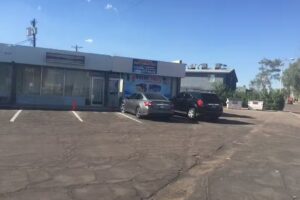
The nature of the bus stop itself can also impact the travel experience. The Nevada, MO address at a commercial boulevard suggests it may have been a simple stop rather than a full-service terminal. This could mean limited waiting area amenities, no on-site staff during certain hours, and exposure to the elements while waiting for a bus. These factors, while small, contribute to the overall perception of the service and can detract from the travel experience, especially when compared to the more comprehensive facilities found in larger cities.
The Impact of a Permanent Closure
The information indicating that the Jefferson Lines location in Nevada, MO, is permanently closed is the most critical takeaway for any potential customer. This shifts the focus from evaluating an active service to understanding the void it leaves behind. For the local community, this closure means one less option for affordable travel. It disproportionately affects individuals without other means of transportation who relied on the bus for essential travel, such as visiting family, attending medical appointments in other cities, or commuting for work or education.
This closure forces residents to seek alternatives that may be more expensive or less convenient. These could include regional shuttle services, ride-sharing over much longer distances, or relying on friends and family. It underscores the fragility of transportation networks in non-urban areas and highlights the community's dependence on such services. For anyone planning a trip and searching for bus travel options in or out of Nevada, MO, it is crucial to know that this specific Jefferson Lines service is no longer operational, to avoid wasted time and travel-day complications.
In conclusion, the Jefferson Lines stop in Nevada, MO, represented a classic trade-off. It offered an invaluable, cost-effective transportation link for the community, connecting it to a vast national network. It was a practical choice for budget-conscious travelers and a key enabler of mobility. However, this came with the potential for service inconsistencies and comfort issues inherent in the economy bus travel sector. With its permanent closure, the conversation now shifts to the impact of its absence, leaving a tangible gap in the local travel landscape and serving as a reminder of the vital role that accessible, intercity bus service plays in connecting the fabric of the nation.