Indian Trails Bus Ticketing Station
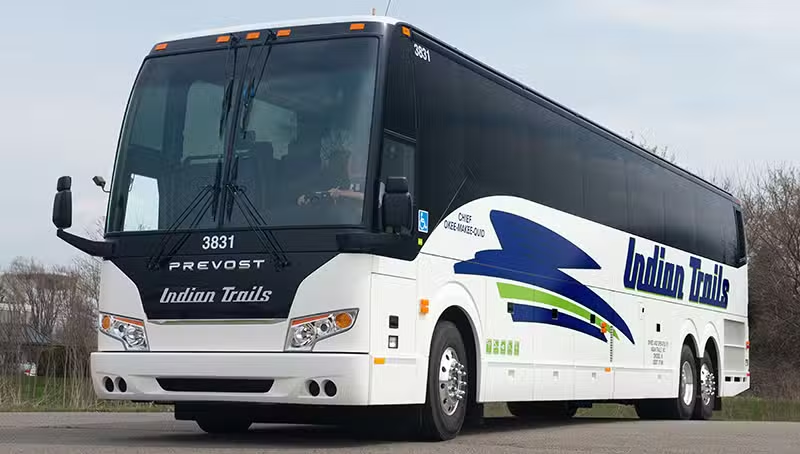
BackThe Indian Trails Bus Ticketing Station in Hancock, Michigan, presents a complex picture for prospective travelers. It operates not as a standalone depot, but as an agency within a different, pre-existing business: Shottle BOP, a local convenience and liquor store. This arrangement immediately defines the customer experience, offering a unique blend of accessibility and potential service limitations that are crucial to understand before planning a trip. For those seeking transportation services in the geographically remote Copper Country, this location is a key node in the region's limited public transit network, yet user feedback suggests that the quality of service can be inconsistent.
A Vital Service with Notable Conveniences
One of the most significant advantages of this Indian Trails location is its very existence. In an area with fewer transit options, it provides a crucial link for residents and visitors. This function as an essential intercity bus service cannot be overstated, connecting Hancock to other destinations across Michigan and beyond. For many, it represents the primary, if not only, means of affordable travel. The sentiment shared by some long-time users is that the community is fortunate to have this service at all, as its absence would further isolate the region. This perspective highlights the station's role as more than just a place to buy a ticket; it's a vital piece of local infrastructure.
The operational hours are a clear benefit. The agency is open late into the evening from Monday through Saturday, typically from 11:00 AM to 11:00 PM or midnight, with shorter but still functional hours on Sundays. This extended availability is highly convenient for travelers who may need to purchase bus tickets or manage their travel plans outside of standard business hours. It accommodates a wide range of schedules, from students to professionals, making the process of initiating a journey less restrictive.
Furthermore, the station's location within Shottle BOP offers an unconventional but practical perk. Travelers can purchase snacks, drinks, and other last-minute necessities for their journey at the same time they buy their tickets. This one-stop-shop aspect streamlines pre-travel preparations. For those embarking on a long bus ride, having immediate access to provisions without needing to make an extra stop is a tangible convenience. This dual functionality is a direct result of its third-party agent model, leveraging the existing retail environment to support the needs of passengers of this specific travel agency.
Significant Concerns Regarding Reliability and Communication
Despite the conveniences, the Indian Trails ticketing station in Hancock is dogged by serious concerns about service reliability, as reflected in its mixed-to-low overall rating. The most alarming issue reported by customers is the handling of service disruptions. One particularly detailed account describes a last-minute bus cancellation that occurred without any form of notification to waiting passengers. No email, text message, or phone call was made, leaving travelers stranded and confused for over an hour past the scheduled departure time. The user also noted that finding information about the cancellation on the company's official website was nearly impossible, pointing to a systemic failure in communication protocols.
This kind of breakdown in communication is a critical failure for any transportation service. For travelers, a sudden cancellation can have cascading consequences, including missed connections with other bus lines or flights, missed appointments, and significant personal or professional disruption. The inability to easily verify bus schedules or service status online compounds the problem, creating a stressful and uncertain travel environment. For a service that many rely on for essential travel, this level of unpredictability is a major drawback.
Many of these issues may be related to the business model itself. Because the ticketing counter is operated by Shottle BOP staff, these employees are not dedicated Indian Trails representatives. Their primary responsibilities are likely tied to the retail store, and their training in handling complex travel logistics—such as rebooking canceled trips, processing refunds, or providing detailed information on delays—may be limited. Customers should not expect the same level of dedicated support found at a corporate-owned bus station. This can lead to frustration when problems arise, as the on-site staff may lack the authority or knowledge to provide effective solutions.
Setting Expectations: What to Know Before You Go
Ultimately, the experience at the Hancock Indian Trails ticketing station is a study in contrasts. It is both an indispensable community asset and a service with documented flaws. Potential customers must approach it with a clear understanding of what it is and what it is not. This is not a full-service terminal. There is no dedicated waiting area for passengers, no company-managed restrooms, and no on-site Indian Trails customer service manager to resolve disputes. It is a sales counter within a store, offering the core service of selling bus tickets for an essential travel route.
For those considering using this service, a proactive approach is highly recommended. The convenience of purchasing a ticket in person should be weighed against the risk of service disruptions. It is imperative to independently verify the status of your bus shortly before your departure time, either through the Indian Trails main website or by calling their corporate customer service line. Relying solely on the schedule provided at the point of sale may not be sufficient. Having a contingency plan, especially if the travel is time-sensitive, would be a prudent measure.
In conclusion, this travel agency serves a critical function in Hancock, offering a necessary connection to the national bus network and promoting affordable travel. Its long hours and convenient co-location within a retail store are definite positives. However, the severe issues with communication and reliability, particularly concerning cancellations, are significant red flags that cannot be ignored. Travelers will find a functional, if basic, service for securing their travel, but must remain vigilant and prepared for potential last-minute changes to their plans.