Illinois Beach Maintenance shed
BackWhen planning a visit to Illinois Beach State Park, the entity listed as "Illinois Beach Maintenance shed" on Patomos Avenue in Zion might cause some confusion. Despite its name and its classification as a travel agency, this location is, in fact, the Illinois Beach Nature Center. This center serves as the primary hub and tourist information center for visitors to the park, which is the last remaining natural shoreline in the state of Illinois. It is the starting point for any well-organized day trip or extended stay, offering crucial context and information about the unique ecosystems within the park's impressive 4,160 acres.
Visitor Resources and Staff Interaction
One of the most significant assets of the Nature Center is its staff. As noted by visitors, the personnel can be exceptionally knowledgeable and enhance the overall experience. One guest specifically mentioned a caretaker named Chase, praising his expertise and calling him a "huge asset to the state park." This level of informed and passionate staff transforms the center from a simple building into a dynamic resource for trip planning. For those interested in eco-tourism, having access to experts who can explain the local flora, fauna, and geological history is invaluable. The center's exhibits, referenced by one visitor as a "museum," provide educational context that deepens the appreciation for the surrounding natural environment. It effectively operates as a specialized destination management office focused entirely on the park's natural attractions.
The Natural Environment: A Mixed Experience
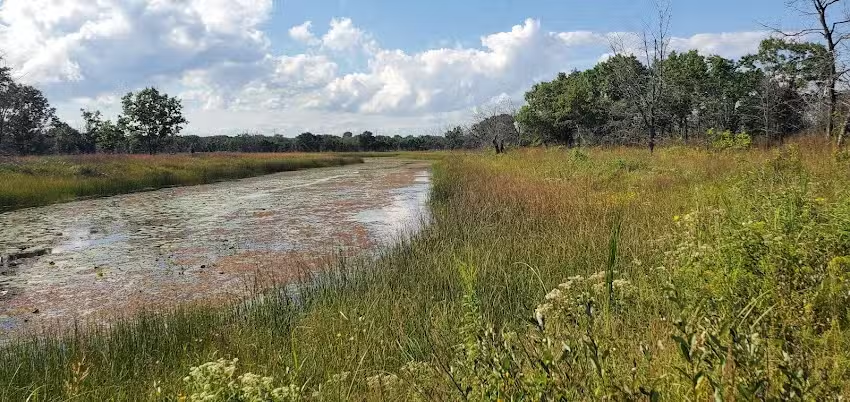
The park itself receives high praise for its beauty, with many visitors expressing their love for the lakefront. It offers a diverse landscape of dunes, marshes, and oak forests, supporting over 650 species of plants, including the distinctive prickly pear cactus. However, prospective visitors should be aware of a significant and ongoing environmental issue: shoreline erosion. For years, the powerful waves of Lake Michigan have been steadily washing away the beach. One long-time visitor lamented that a shore that was once several yards wide has now all but disappeared, taking with it the notable pebbles that once characterized the beach. This erosion has been severe, with some areas receding by as much as 100 feet in a single year, threatening park infrastructure and habitats.
Fortunately, major restoration efforts are underway. A substantial $73 million shoreline stabilization project was recently completed, which involved constructing a series of offshore stone breakwaters to absorb wave energy and protect the coast. This initiative has been nationally recognized and is expected to help restore the beach, protect critical habitats, and secure the area for future generations. While these measures are promising, visitors should set realistic expectations, as the beach's appearance may differ from historical photos while it recovers.
Trails and Hiking: A Tale of Two Paths
For those seeking adventure travel through hiking, the park offers a varied experience. The trail system is a key feature, but its quality is inconsistent. The Yellow Trail is frequently cited as a positive example; it is well-maintained, clearly marked, and features informational signage that enriches the hike, leading directly to the south beach. This trail functions as an excellent self-guided tour through the park's unique landscape.
In stark contrast, the Red Trail has drawn criticism. One hiker described it as deserving of a one-star rating due to poor maintenance, with encroaching grasses narrowing the path, and inadequate markings. This inconsistency highlights a potential pitfall for visitors. While the park offers excellent opportunities for outdoor recreation, the experience can vary dramatically depending on the chosen route. It is advisable for hikers to seek current trail conditions at the Nature Center before setting out to ensure a safe and enjoyable trek.
Operational Challenges and Recommendations
A recurring point of frustration for visitors is the unreliability of the Nature Center's operating hours. The posted schedule is Wednesday through Sunday from 12:00 PM to 4:30 PM, but there are reports of the center being closed during these times. One visitor noted arriving at 11:45 AM on a Sunday, when previous hours indicated a 9:00 AM opening, only to find it shut. This kind of unpredictability can disrupt a planned outing. Therefore, it is highly recommended to call the center at (847) 662-4811 before visiting to confirm that it will be open. This simple step can prevent disappointment and is a crucial part of planning any vacation packages or day trips to the area.
In conclusion, the Illinois Beach Nature Center, despite its misleading online moniker, is an essential resource for anyone visiting Illinois Beach State Park. It is not a conventional tour operator but rather a gateway to understanding and appreciating a unique natural preserve. The combination of knowledgeable staff and educational exhibits provides a strong foundation for any visit. However, potential visitors must balance this with the realities of the park: the ongoing recovery from significant beach erosion, inconsistent trail maintenance, and unreliable operating hours for the center itself. By preparing for these potential issues, visitors can better appreciate the undeniable natural beauty and ecological importance of Illinois's last stretch of wild shoreline.