
Huron-Manistee National Forests Lumberman’s Monument Visitor Center
BackSituated within the expansive Huron-Manistee National Forests, the Lumberman's Monument Visitor Center serves as a significant hub for heritage tourism and outdoor recreation. It is not merely a rest stop but a comprehensive destination dedicated to telling the story of Michigan's 19th-century logging era. With an exceptional visitor rating of 4.9 stars based on over 800 reviews, the center has established itself as a premier tourist attraction, though it is not without its operational limitations that require careful travel planning.
A Deep Dive into History and Nature
The core of the visitor experience is the Lumberman's Monument itself, a striking 14-foot bronze statue dedicated in 1932. Perched on a high bluff with panoramic views of the Au Sable River, the monument honors the pioneer lumbermen who were instrumental in the development of the region. The sculpture, created by Robert Aitken, features three figures representing key roles in the timber industry: the timber cruiser, the sawyer, and the river rat. This powerful tribute provides a tangible connection to the past, which is further enriched by the exhibits inside the visitor center. The center houses historical photographs, antique tools, and informational displays that detail the arduous life in logging camps. Interactive elements, such as climbing on a log jam replica or using a cross-cut saw, offer hands-on engagement for visitors of all ages.
Beyond its historical significance, the center is a gateway to the area's natural assets, positioning it as a key resource for eco-tourism. Visitors frequently praise the stunning views and the well-maintained grounds, which include picnic areas and access to a network of trails. The surrounding environment offers opportunities for riverside hiking and, in the spring, vibrant wildflower viewing. This blend of structured historical education and unstructured natural appreciation makes it a versatile destination catering to a wide range of interests.
Strengths and Positive Aspects
The overwhelming majority of visitor feedback is positive, highlighting several key strengths that make the Lumberman's Monument Visitor Center a standout destination.
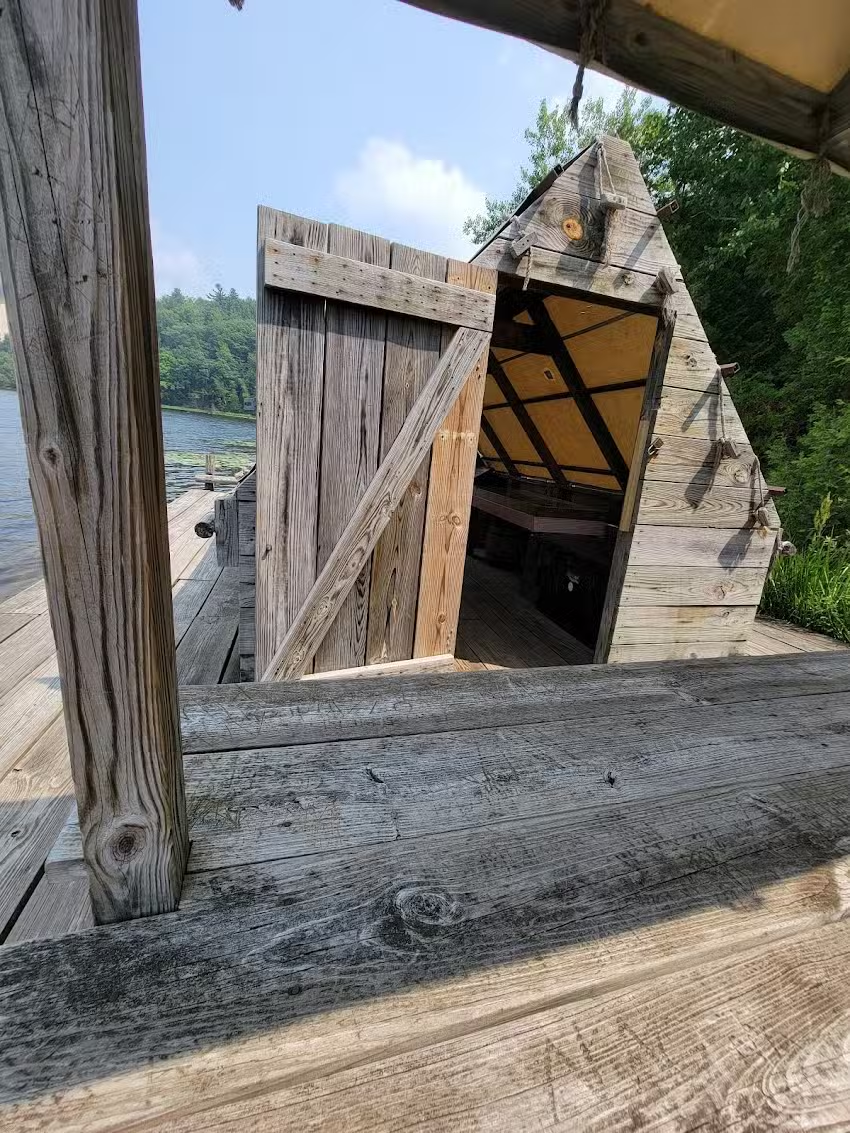
- Educational and Engaging Exhibits: The center excels in bringing history to life. The combination of the monument, indoor exhibits, videos, and interactive displays provides a rich, multi-faceted learning experience. A unique feature is the replica of a "wanigan," a floating cook shack from the logging era, which is accessible via a long stairway down to the river's edge.
- Exceptional Scenic Beauty: The location itself is a major draw. The high bluff overlooking the Au Sable River provides breathtaking vistas that change with the seasons, from lush summer greens to brilliant autumn colors. These views are a recurring theme in visitor testimonials, with many calling the area a "slice of heaven" and a perfect spot for photography.
- Accessibility and Inclusivity: The establishment is commendable for its focus on accessibility. The main visitor center, restrooms, and the pathways to the monument are wheelchair accessible. This commitment ensures that visitors with varying mobility levels can enjoy the primary attractions. As one reviewer noted, there are outdoor activities suitable for all ages and abilities, making it a reliable choice for family outings.
- Gateway for Adventure Travel: For more active visitors, the center serves as a trailhead for several hiking paths. These include the short, interpretive Forest Discovery Trail and the more challenging Highbanks Trail, a 7-mile route that follows the river bluff. This makes the center not just a destination in itself, but an important facility for destination management within the national forest.
Considerations and Areas for Improvement
Despite its high acclaim, prospective visitors should be aware of a few potential drawbacks that could impact their experience. These points are crucial for effective travel planning.
- Limited Operating Hours: A significant logistical challenge is the center's operating schedule. It is closed every Wednesday and Thursday, and the daily hours are from 11:00 AM to 5:00 PM. This schedule can be restrictive, especially for tourists planning mid-week visits or those hoping for an early start or late evening visit. Furthermore, the visitor center and its modern restroom facilities are seasonal, typically open only from May through October. While the grounds remain open year-round, services like plowed parking lots and running water are unavailable in the off-season.
- Trail Navigation Issues: While the trails are generally praised, some visitors have reported issues with signage. One guest noted that their trail unexpectedly ended at a road, causing confusion about whether the path was complete. Clearer and more consistent trail marking could enhance the hiking experience and prevent visitors from getting lost or feeling uncertain.
- Physically Demanding Elements: A key attraction, the wanigan replica by the river, is accessed by a steep stairway of over 260 steps. While the experience is rewarding, the climb back up is strenuous and is not accessible to everyone. Visitors with mobility issues, small children, or health concerns should be aware of this physical challenge before descending.
Is This the Right Destination for You?
The Lumberman's Monument Visitor Center is an excellent choice for a diverse audience. History enthusiasts will find the detailed exhibits and the monument itself deeply compelling. Families will appreciate the interactive displays, picnic areas, and the mix of easy and challenging walks. Nature lovers and photographers will be captivated by the scenic overlooks and the serene forest environment. It functions as an informal travel agency for the immediate area, providing maps and information for those looking to engage in more extensive sightseeing tours of the River Road National Scenic Byway.
However, travelers who require flexibility in their schedules may be hampered by the limited hours. Likewise, serious hikers should be prepared for potential inconsistencies in trail markings and come equipped with their own navigation tools. The ideal visitor is one who can plan their trip around the center's operational constraints and who appreciates a destination that thoughtfully combines historical education with profound natural beauty.