
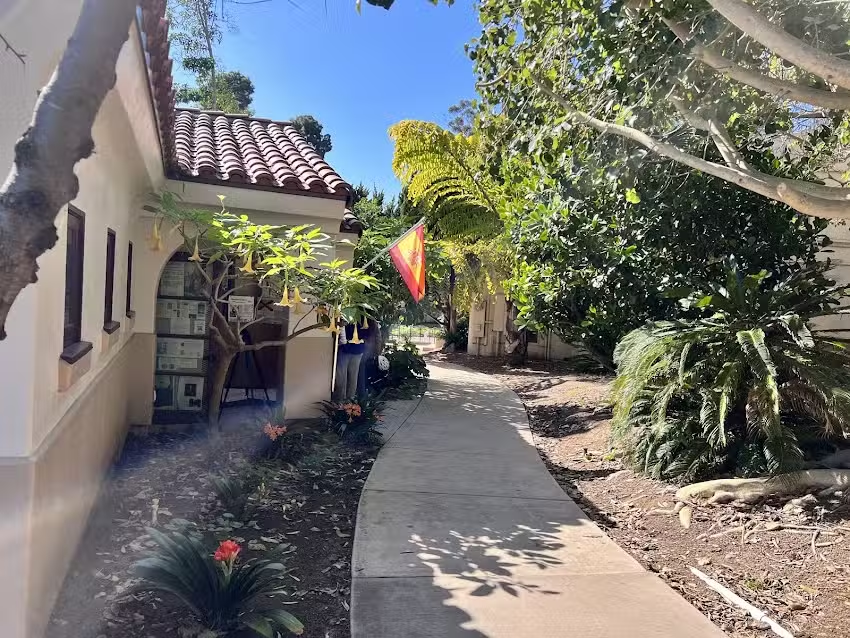
House of Spain In San Diego
BackThe House of Spain in San Diego presents a unique proposition for individuals intrigued by Spanish culture and history. Classified, perhaps optimistically, as a travel agency, its true value lies not in booking flights or hotels, but in serving as a cultural embassy and an educational starting point for anyone contemplating a journey to Spain. Operated by passionate volunteers within the vibrant ecosystem of Balboa Park's International Cottages, it offers a concentrated dose of heritage that can profoundly enrich future travels. However, potential visitors must align their expectations, as this is not a commercial enterprise but a volunteer-driven cultural exhibit with both commendable strengths and significant limitations.
A Deep Dive into Spanish Culture and History
The primary strength of the House of Spain is its function as a miniature museum, packed with curated information and artifacts. Visitors consistently praise the depth of the exhibits, which go far beyond typical tourist brochures. This establishment provides a foundational knowledge base that is essential for meaningful cultural tourism. For instance, one of the more unique educational opportunities mentioned by past visitors is the chance to learn about Spain's surprising connection to the history of the American dollar sign and its intricate, often overlooked, role in the era of the 13 colonies. This kind of specific, engaging historical narrative transforms a generic trip into a journey with context.
The collection includes detailed models of famous Spanish ships, offering a tangible link to Spain's formidable maritime history. These displays serve as excellent educational tools, helping visitors visualize the vessels that connected continents and shaped global trade. For those planning a trip, seeing these models can inspire visits to maritime museums in cities like Barcelona, Cádiz, or Cartagena. The presence of traditional dolls and what are described as the "best relics of all the houses" suggests a commitment to preserving and showcasing authentic cultural items. This focus on tangible history makes it an invaluable resource for anyone developing a custom heritage travel itinerary who wants to understand the story behind the sights they plan to see.
The Human Element: Passionate Volunteers
A recurring theme in feedback for the House of Spain is the exceptional quality of its volunteer staff. Described as friendly, welcoming, and knowledgeable, these individuals are the heart of the operation. Unlike a commercial travel agency where staff might be focused on sales targets, the volunteers here are driven by a genuine passion for sharing their culture. They act as informal travel consultants, ready to answer questions not just about the exhibits but also about Spain itself. This personal touch can be incredibly valuable, offering insights and tips that one might not find in a standard travel book. Their enthusiasm is palpable, creating a warm and inviting atmosphere that encourages curiosity. The simple act of signing the guestbook is met with sincere appreciation, highlighting the community-focused spirit of the organization.
Furthermore, the House of Spain is an active participant in the cultural life of Balboa Park, hosting and taking part in various events throughout the year. Patrons have expressed great enjoyment in attending these functions, which include the annual Lawn Program and participation in park-wide festivities like the Ethnic Food Fair. These events offer a dynamic way to experience Spanish culture through music, dance, and food, providing a much more lively experience than the static displays alone. This makes the House of Spain not just a place to visit, but a community to engage with, especially for locals or repeat visitors to San Diego.
Areas for Consideration and Potential Drawbacks
Despite its many positive attributes, the House of Spain has some significant practical limitations that potential visitors must be aware of. The most critical of these is its operating schedule. Being open only on Saturday and Sunday afternoons for a few hours is highly restrictive. For tourists on a tight schedule or for those who can only visit on weekdays, the House of Spain will unfortunately be inaccessible. This severely limits its reach and can be a source of frustration for those who specifically seek it out based on recommendations, only to find it closed.
Another key point of consideration is its classification. While it may inspire travel, it does not function as a traditional travel agency. Visitors will not find assistance with booking vacation packages, flights, or accommodations. There are no brochures for all-inclusive resorts or schedules from major tour operators. It's crucial to understand that its purpose is purely educational and cultural. This distinction is vital for managing expectations; arriving with the intent to conduct any form of travel booking will lead to disappointment. The value offered is intellectual and inspirational, not logistical.
Minor Shortcomings and Missed Opportunities
On a smaller scale, some visitors have pointed out minor areas that could enhance the experience. One suggestion was the desire for Spanish coffee or drinks to be available. While a small detail, it speaks to the power of multi-sensory experiences in cultural immersion. The taste of a traditional Spanish beverage could beautifully complement the visual and historical information, making the visit more memorable and complete. Given its small, volunteer-run nature, adding such amenities may be challenging, but it remains a valid point about deepening the cultural engagement. The physical space itself is a cottage, meaning it is quite small. Visitors should expect a brief but dense experience, allocating perhaps 30 to 60 minutes for a thorough visit, rather than planning for a multi-hour museum excursion.
Who Should Visit the House of Spain?
Ultimately, the House of Spain is an excellent destination for a specific type of visitor. It is highly recommended for:
- Prospective Travelers to Spain: Individuals in the initial phases of trip planning will find it to be an invaluable resource for inspiration and cultural context.
- History and Culture Enthusiasts: Anyone with an interest in Spanish history, maritime exploration, or cultural heritage will appreciate the unique artifacts and information presented.
- Families and Students: It offers a free, accessible, and engaging educational opportunity to learn about another culture in a hands-on environment.
- Visitors to Balboa Park: For those already exploring the park on a weekend, it serves as a wonderful and quick cultural stop that adds depth and variety to their day.
In conclusion, the House of Spain in San Diego is a cultural gem powered by community passion. While its extremely limited hours and non-commercial nature are significant constraints, its value as an educational tool and a source of travel inspiration is undeniable. It may not be the place to book your trip, but it is an exceptional place to begin the journey, offering a rich, authentic preview of the history and heritage that await in Spain. It stands as a testament to the idea that the best preparation for travel is a deep appreciation for the culture you are about to embrace, making it a worthy stop for the curious and the studious traveler alike.