
Haleakalā Visitor Center
BackServing as the primary informational hub for Haleakalā National Park, the Haleakalā Visitor Center is a crucial first stop for anyone planning to experience the summit's stark beauty. With a high visitor rating of 4.8 out of 5 from over two thousand reviews, it functions as an essential resource for trip planning, providing much more than just shelter at 9,740 feet. It is the operational core for visitors, offering insights and services that shape the entire park experience, from sunrise to sunset and the hikes in between.
Visitor Services and On-Site Facilities
The center is staffed by National Park Service rangers who are frequently described by visitors as professional, friendly, and exceptionally knowledgeable. These rangers act as on-the-ground experts for tourism, ready to provide details on the crater's geology, the unique flora and fauna like the ʻĀhinahina (silversword), and current trail conditions. This direct access to expert information is invaluable for both seasoned hikers and casual sightseers. The facility itself is designed with visitors in mind, featuring ample parking, including abundant handicap-accessible spots, and clean restrooms that are open 24/7. A well-stocked gift shop operated by the Hawaiʻi Pacific Parks Association offers educational materials and souvenirs, with proceeds benefiting park programs. Accessibility is a noted feature, with wheelchair-accessible entrances and facilities ensuring a wider range of visitors can enjoy the park.
The Primary Attraction: Unforgettable Views
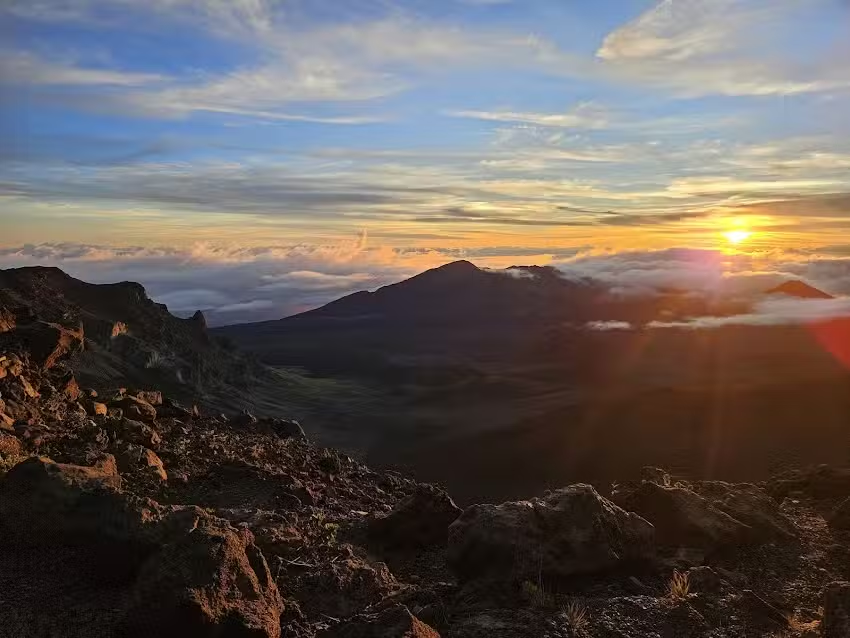
The main draw for any visit is, without question, the panoramic views from the summit area. Visitors consistently report a profound experience, often describing the landscape as otherworldly and majestic. Being positioned above the clouds offers a unique perspective, whether for the world-renowned sunrise, the equally dramatic sunset, or the clear, star-filled night sky. Many visitors suggest arriving well before sunrise or sunset to watch the dynamic cloud movements and shifting light within the crater, a spectacle in itself. The center's location on the crater rim serves as the perfect staging ground for this visual feast and is the starting point for several summit trails, including the popular Keoneheʻeheʻe (Sliding Sands) Trail.
Challenges and Considerations for Visitors
While the experience is overwhelmingly positive, potential visitors should be aware of several critical factors. Comprehensive trip planning is essential to navigate these challenges effectively and ensure a safe and enjoyable visit.
Strict Sunrise Reservation System
Due to immense popularity, viewing the sunrise from the summit district requires a reservation for any vehicle entering the park between 3:00 a.m. and 7:00 a.m. These reservations must be made online via Recreation.gov and can be booked up to 60 days in advance, with a smaller batch released 48 hours prior. The cost is a nominal $1.00 per vehicle, but this is separate from the park entrance fee. Reservations fill up extremely quickly, often weeks in advance, so spontaneous trips for sunrise are not possible. The reservation holder must be present with a matching photo ID for entry.
Limited Operating Hours and Potential Renovations
A significant drawback is the visitor center's limited hours of operation, which are typically from sunrise until 12:00 p.m. This means that while the park itself is open 24/7, those arriving for an afternoon hike or to view the sunset will find the center's informational desk and gift shop closed. Furthermore, visitors have recently noted that the center is undergoing renovations. While these updates do not obstruct the incredible views, they may limit access to indoor exhibits or create some construction-related disruption.
Extreme Altitude and Weather Conditions
The summit of Haleakalā is at an elevation of 10,023 feet, and the visitor center is not much lower. This high altitude can cause discomfort or illness, particularly for those arriving from sea level, as one visitor noted their companion felt unwell. It's advisable to move slowly and stay hydrated. The weather is another major factor; temperatures at the summit can be 30°F (-1°C) or colder than at sea level, especially around sunrise. Visitors frequently warn against underestimating the cold, with some recounting how their feet froze despite wearing warm clothes. Dressing in layers, including a warm jacket, long pants, and closed-toed shoes, is non-negotiable for a comfortable experience.
Service Inconsistencies and Parking Logistics
While most reviews praise the park staff, some isolated negative experiences have been reported. One visitor detailed an encounter with an unhelpful and dismissive ranger, a stark contrast to the otherwise lauded service. This serves as a reminder that individual experiences can vary. For those planning a visit, especially for sunset, parking can become competitive. To secure a spot at the uppermost lots, arriving at least an hour before the event is highly recommended. The lower parking lots offer an alternative and, according to some, an equally compelling view.
Practical Advice from Fellow Travelers
Drawing from the experiences of thousands of visitors, several key tips emerge for those planning their own adventure travel to the summit:
- Book Sunrise in Advance: Secure your sunrise reservation on Recreation.gov the moment you know your travel dates. Do not wait.
- Dress for Alpine Conditions: Pack and wear layers. Bring hats, gloves, and a heavy jacket, regardless of how warm it is at your hotel. The wind and cold at 10,000 feet are intense.
- Maximize Your Park Pass: The Haleakalā National Park entrance fee (currently $30 per vehicle) is valid for three consecutive days. A savvy tip is to plan your visit to the Kīpahulu District (home to the Pīpīwai Trail) within this three-day window to avoid paying the entrance fee twice.
- Arrive Early for Sunset: If you're aiming for sunset, plan to be at the summit parking lots at least 60-90 minutes beforehand to get a good spot and enjoy the changing light.
- Fuel Up: There are no gas stations within the park. Ensure your vehicle has a full tank of gas before you begin the long, winding ascent up Haleakala Highway.
In conclusion, the Haleakalā Visitor Center is an indispensable asset for anyone visiting the national park. It provides the essential services and information that elevate a simple sightseeing trip into a well-informed and memorable experience. However, its effectiveness is constrained by its limited hours. Visitors who do their research and engage in careful trip planning—addressing reservations, weather, and altitude—will be rewarded with one of the most sublime natural spectacles Hawaii has to offer.