Greater Springfield (OH) Convention & Vistors Bureau
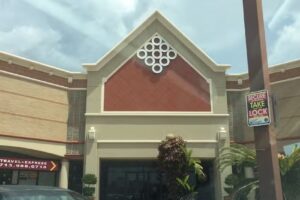
BackThe Greater Springfield (OH) Convention & Visitors Bureau, which operates under the brand name Visit Greater Springfield, serves as the region's official destination marketing organization. Located at 20 S Limestone Street, Suite 100, in Springfield, its primary mission is to attract tourists, conferences, and events to the area, thereby boosting the local economy. As a potential visitor or event planner, understanding the bureau's strengths and weaknesses is crucial for effective trip planning. The organization presents a professional front with a robust digital presence but faces significant criticism regarding direct customer interaction and accessibility.
A Comprehensive Digital Portal for Springfield Tourism
For the self-sufficient traveler comfortable with online research, the Greater Springfield CVB offers a wealth of resources. Their primary tool is the VisitGreaterSpringfield.com website, a comprehensive hub designed to function as a digital visitor center. This platform is meticulously organized, providing detailed information on nearly every aspect of a potential visit. It serves as the first and, in many cases, the only point of contact the bureau seems to encourage.
Resources for Independent Travel Planning
The website successfully catalogues the area's diverse offerings. Prospective visitors can find extensive lists and descriptions of local attractions, dining establishments, accommodation options, and a calendar of events. The bureau actively promotes key regional highlights, ensuring they are front and center for anyone considering a trip. These include:
- Frank Lloyd Wright's Westcott House: The CVB prominently features this architectural masterpiece, Wright's only Prairie School house in Ohio. Information on tours and its historical significance is readily available, positioning it as a must-see for architecture enthusiasts.
- Hartman Rock Garden: This unique piece of folk art is another cornerstone of the CVB's promotional efforts. The bureau highlights its quirky and historical value, appealing to travelers looking for offbeat tourist attractions.
- Springfield Museum of Art: As the only Smithsonian Affiliate art museum in Ohio, this institution is a key cultural asset. The CVB leverages this prestigious affiliation to attract art lovers to the region.
- Outdoor Recreation: The bureau provides ample information on natural attractions like Buck Creek State Park and the Little Miami Scenic Trail, catering to the market for outdoor and adventure travel. This is crucial for planning local itineraries focused on hiking, biking, or water activities.
In addition to these highlights, the CVB has produced an award-winning official visitor guide, presented with a unique "field notes" concept to stand out. This demonstrates a clear effort to create appealing and professional marketing materials, even if their distribution is primarily digital. Their success in winning multiple Ohio tourism awards for marketing campaigns suggests a high level of competence in branding and promotion.
Significant Drawbacks and Service-Related Concerns
Despite the strength of its digital offerings, the Greater Springfield CVB's approach to direct public service reveals considerable flaws. The experience for a traveler seeking personal assistance or non-digital materials can be frustrating, a point underscored by direct customer feedback and the bureau's own operational structure.
Customer Service and Information Accessibility
A significant point of concern is a documented 2-star review from a tourist who reported a highly negative interaction. According to the visitor's account, the bureau was unwilling to mail physical information, insisting that resources were "only online." For travelers who are less tech-savvy, have limited internet access while on the road, or simply prefer traditional maps and brochures, this policy is a major barrier. It alienates a segment of the traveling public that a tourism information office should aim to serve.
Compounding this issue, the same visitor reported being given an incorrect email address, representing a fundamental failure in communication. For an organization whose purpose is to provide clear and accurate information, such an error is unacceptable and points to potential internal process issues. While this is a single data point, it is a potent one, suggesting that customer-facing services may not match the quality of their digital marketing. Potential visitors should be aware that direct inquiries might not be handled with the expected level of care.
Operational and Structural Limitations
The bureau's operating hours present another significant challenge for tourists. The office is open only from 8:00 AM to 5:00 PM on weekdays and is closed entirely on Saturdays and Sundays. This schedule aligns with standard business hours but is fundamentally misaligned with the realities of tourism. The peak times when visitors are in town and most likely to need assistance—the weekend—are the very times the physical office is unavailable. This limitation forces travelers to rely solely on the website, reinforcing the digital-only approach that has already drawn criticism.
Furthermore, the CVB is part of a larger entity known as the Greater Springfield Partnership, which merged with the local Chamber of Commerce. While this integration is logical from a business and economic development perspective, it can be confusing for visitors. A tourist seeking simple travel advice may find the broader scope of a business partnership less focused on their immediate needs than a dedicated, standalone travel agency or welcome center would be.
Conclusion for the Prospective Traveler
Ultimately, the Greater Springfield Convention & Visitors Bureau is an organization of two minds. On one hand, it functions effectively as a modern destination marketing firm, creating polished, award-winning digital content that is invaluable for those who plan their trips online. The website is a one-stop shop for discovering what the region has to offer, from tourist attractions to dining.
On the other hand, it falls short in the traditional role of a public-facing visitor center. The limited weekday-only hours and a documented instance of poor customer service—specifically the refusal to provide physical materials and the failure to supply correct contact information—are serious drawbacks. Travelers seeking personalized assistance, physical maps, or weekend support may find the bureau lacking. Therefore, potential visitors should leverage the bureau's excellent website for their trip planning but temper expectations for direct, hands-on assistance. It is a resource best used from a distance, not as an on-the-ground support center during your visit.