Grand Canyon Visitor – Kaibab Rim (Orange Route)
BackThe Kaibab Rim Route, commonly known as the Orange Route, is a shuttle service operated by the National Park Service that functions as an essential component of tourism within the Grand Canyon's South Rim. More than just a bus ride, it is the exclusive mode of motorized transport to some of the area's most sought-after viewpoints and trailheads. For anyone undertaking itinerary planning for a Grand Canyon visit, understanding the strengths and weaknesses of this service is paramount, as it is not an optional convenience but a mandatory utility for accessing key areas. This free shuttle system, funded by park entrance fees, is a cornerstone of the park's efforts towards sustainable tourism by significantly reducing traffic congestion and parking challenges.
The Merits of the Orange Route Service
The primary advantage of the Kaibab Rim (Orange) Route is the exclusive access it provides. Private vehicles are prohibited year-round on the roads leading to Yaki Point and the popular South Kaibab Trailhead. This makes the shuttle an indispensable service rather than a mere alternative to driving. By centralizing transport, it allows visitors to park their vehicles once at the main Grand Canyon Visitor Center and access multiple key locations without the stress of finding limited parking at each viewpoint. The route operates in a figure-eight loop, taking approximately 50 minutes to complete without disembarking, ensuring a relatively efficient circuit.
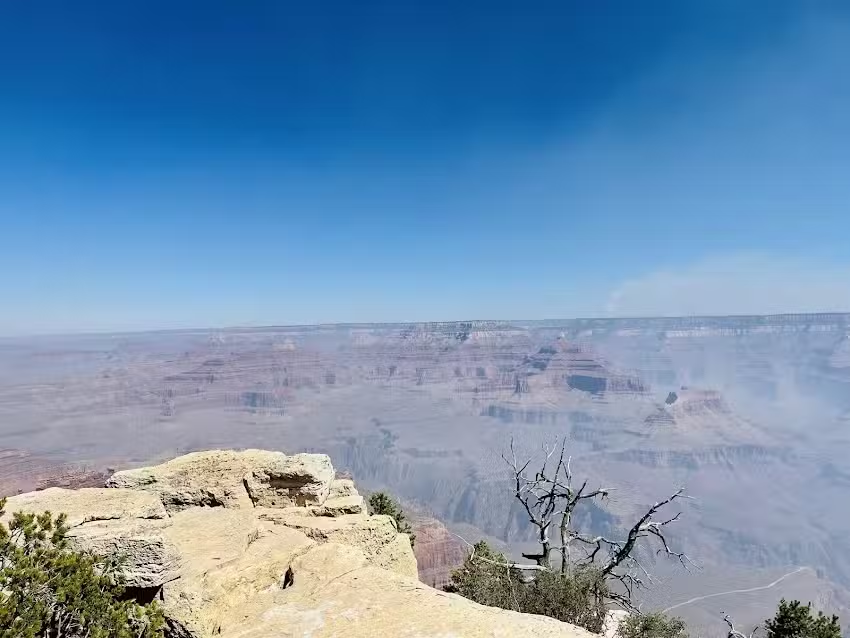
The stops along this route are central to many sightseeing tours and include some of the most spectacular vistas on the South Rim. The service connects the Visitor Center to Mather Point, the Yavapai Geology Museum, Pipe Creek Vista, Yaki Point, and the South Kaibab Trailhead. Yaki Point is frequently recommended as a less crowded location for sunrise and sunset viewing, and this shuttle is the only way to reach it. For those planning any kind of adventure travel, particularly hiking into the canyon, the shuttle's direct service to the South Kaibab Trailhead is critical, with a special early morning Hikers' Express also serving this stop for those wanting a pre-dawn start.
The service is also highly praised for its accessibility and amenities. One visitor highlighted the convenience of the visitor center, which serves as the main hub for the Orange Route, noting its clean washrooms, restaurant, and ample parking that cater well to weary travelers. The buses themselves are equipped with ramps and dedicated space for wheelchairs, making the stunning viewpoints accessible to a wider range of visitors, a significant plus for family travel. Furthermore, the system runs year-round, offering unique opportunities for visitors during less crowded seasons. Reviews mention the profound beauty of the canyon covered in snow, an experience enhanced by the low attendance and lack of parking queues that winter weather brings.
Drawbacks and Areas for Improvement
Despite its essential role and numerous benefits, the Kaibab Rim Route is not without its flaws, and potential visitors should be aware of several reported issues. The most significant and recurring criticism centers on the quality of the staff. One detailed account from a visitor described a deeply negative experience with multiple shuttle drivers, citing arrogance and unprofessional conduct that soured their visit. While park rangers were praised for their helpfulness, the conduct of the shuttle operators was a major point of contention. This suggests an inconsistency in customer service that can detract from the overall experience. While many have positive interactions, the potential for a negative one with the frontline staff of this crucial service is a notable drawback.
Operational reliability can also be a concern, particularly depending on the season. During winter, as one traveler detailed, heavy snow and ice can lead to the closure of certain parts of the route or trails, disrupting carefully laid travel plans. While the snowy landscape is a draw, the weather's unpredictability means visitors must come prepared with appropriate gear and flexible schedules. Even in good weather, peak season can bring challenges. Buses can become crowded, leading to limited seating and potentially long waits. As the service generally runs from about an hour before sunrise to an hour after sunset, missing the last bus from a remote point like Yaki Point could result in a long, dark walk back.
Finally, the inherent nature of a shuttle system imposes a lack of flexibility. Visitors are bound to the bus schedule and its designated stops. The frequency, typically every 15 to 30 minutes depending on the time of day and season, is generally efficient, but it doesn't allow for the spontaneity that a private vehicle might offer in other parts of the park. This structured approach is a necessary trade-off for the environmental benefits and access it provides, but it's a limitation for those who prefer to set their own pace entirely.
Conclusion for the Prospective Traveler
The Kaibab Rim (Orange Route) shuttle is an exemplary and vital service that nearly every visitor to the Grand Canyon's South Rim will and should use. It is a well-integrated system that successfully manages human access to fragile and popular areas, making it a model for many agencias de viajes and park management systems to study. The convenience of accessing world-class views and trailheads without a vehicle is a massive benefit.
However, users should temper their expectations. It is a public transit system in a national park, not a private tour. Be prepared for potential crowds during peak hours and the possibility of service disruptions due to weather, especially in winter. The most critical feedback points to the variable quality of the drivers. While many are professional, the potential for a negative interaction exists. The best approach for visitors is to verify the shuttle's current operating schedule on the official National Park Service website before arrival, plan for potential waits, and view the service as a functional tool—an essential key that unlocks some of the most breathtaking landscapes in the world.