Fulton Windmill
BackThe Fulton Windmill, officially known as "De Immigrant," stands as a unique and highly specialized tourist attraction in Fulton, Illinois. Unlike a simple replica, this establishment is a fully functional, authentic Dutch windmill that was engineered and prefabricated in the Netherlands before being assembled on-site. Its primary function is to stone-grind various grains, including wheat, buckwheat, rye, and corn, into flour, which is often available for purchase. This operational aspect provides a layer of authenticity that sets it apart from many other cultural landmarks and makes it a point of interest for those seeking genuine experiences over passive observation.
The Visitor Experience: A Deep Dive into Dutch Heritage
Visitor accounts consistently highlight the educational value offered by the establishment. The experience is heavily reliant on volunteer docents who provide guided tours. These tours are frequently praised for being highly informative, detailing the windmill's history from its conception and construction in the Netherlands to its transportation and final erection in Fulton. Guests learn about the intricate mechanics that allow the massive blades to catch the wind and turn the heavy millstones. This focus on living history is a significant asset, positioning the windmill as a key destination for heritage tourism.
A recurring point of positive feedback is the passion and knowledge of the volunteer staff. They are described as kind, hospitable, and eager to share the story of the windmill. This personal touch elevates the visit from a simple tour to a more engaging cultural exchange. For any tour operator looking to build a regional itinerary, the quality of the guided experience here is a reliable feature.
Beyond the Mill: The Cultural Center and Gift Shop
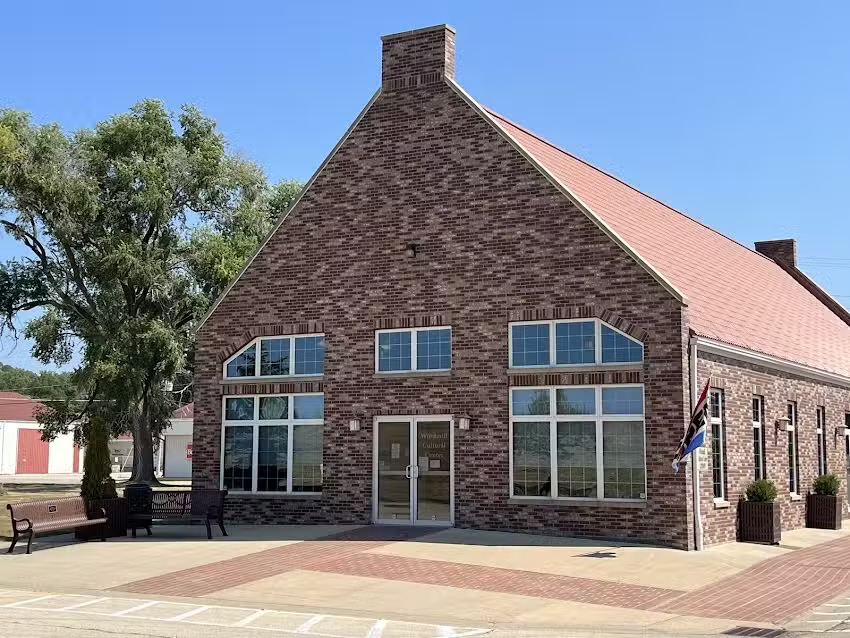
The value of a visit is significantly enhanced by the Windmill Cultural Center, conveniently located directly across the street. Many visitors consider this a must-see component of their trip. The center houses an impressive collection of detailed, handmade miniature windmill models from around the world. These models represent various types of windmills, and some are even motorized to illustrate their different operational mechanics. This complementary exhibit provides broader context on windmill technology globally and is an unexpected highlight for many.
Additionally, a gift shop on the premises offers tangible connections to the experience. Visitors can purchase the stone-ground flours produced by the mill itself, allowing them to take a piece of the working history home. The shop also stocks a variety of imported Dutch gifts, foods like specialty cookies, and souvenirs, catering to those looking to immerse themselves further in the Dutch theme. This retail component is a thoughtful part of the overall destination management, providing both revenue and a more complete cultural offering.
Points of Consideration for Potential Visitors
Despite the overwhelmingly positive reception, there are critical logistical factors that anyone planning a trip must consider. The most significant constraint is the windmill's extremely limited operating hours. As of current schedules, it is only open to the public on Saturdays and Sundays for a limited window in the afternoon and is closed entirely on weekdays. This schedule makes a spontaneous visit nearly impossible and requires careful planning. Anyone crafting a trip itinerary must anchor their visit to Fulton on a weekend, which can be a substantial drawback for travelers with less flexible schedules.
This operational model is largely due to the reliance on a volunteer workforce. While the volunteers are a celebrated asset, this structure means the attraction does not have the resources of a large, commercially funded institution. Prospective visitors should always verify the current hours of operation by phone or on the official city website before traveling, as schedules can be subject to change. The niche appeal of the attraction is another factor to consider. It is an ideal stop for history buffs, engineering enthusiasts, and those with an interest in Dutch culture. However, it may not hold the same appeal for families seeking a full day of varied, fast-paced activities. It is a contemplative and educational stop, not an amusement park.
Overall Assessment
The Fulton Windmill is more than just a picturesque structure; it is an immersive and educational journey into Dutch engineering and local heritage. The combination of a fully working mill, insightful guided tours by passionate volunteers, the fascinating model collection at the Cultural Center, and a charming gift shop creates a robust and memorable experience. The high ratings and glowing reviews are a testament to the quality and authenticity of the attraction.
However, the severe limitation of its weekend-only hours is a significant practical hurdle. For those able to align their plans with this restrictive schedule, the Fulton Windmill offers a rewarding and distinctive cultural stop. It serves as an excellent component for a curated getaway focused on the history and culture of the region. This establishment is a prime example of successful cultural tourism, though its accessibility remains its primary challenge. Any travel agency recommending this destination should be explicit about the need for careful advance planning.