
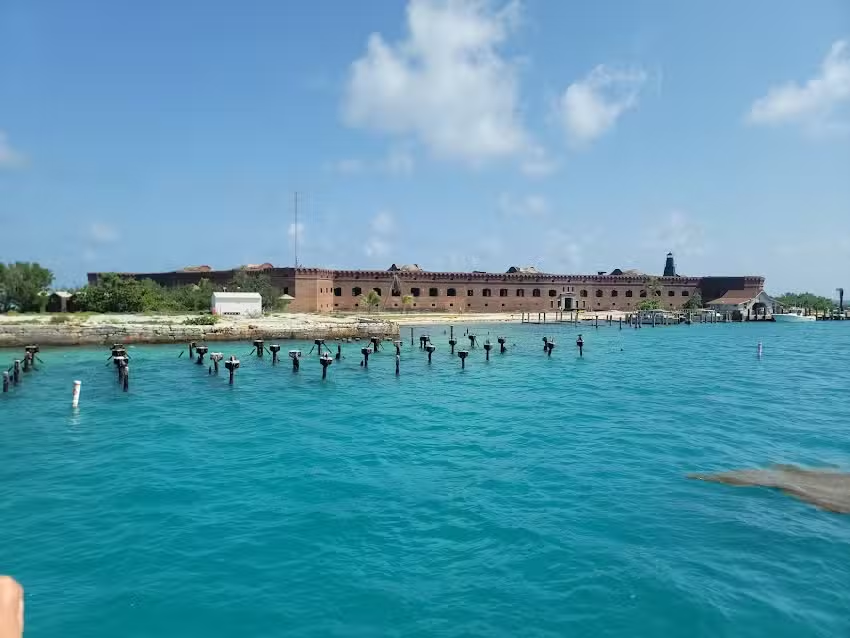
Fort Jefferson Visitor Center
BackSituated within the massive brick structure of Fort Jefferson, the Fort Jefferson Visitor Center serves as the primary informational hub for visitors to the remote Dry Tortugas National Park. This facility operates less like a traditional mainland visitor center and more like an essential base of operations for a day's adventure, 70 miles from the nearest city. While it is categorized as a travel agency and tourist attraction, its role is more accurately described as a tourist information center and a small museum, providing crucial context to the immense historical site it inhabits. The experience of visiting this center is inextricably linked to the journey required to get there, a factor that presents both significant appeal and considerable challenges.
Prospective visitors must understand that reaching the center is an excursion in itself. The park is only accessible by ferry or seaplane, making advance trip planning an absolute necessity. These transport services, such as the Yankee Freedom ferry and Key West Seaplane Adventures, function as the true tour operator for the journey, with tickets often selling out months in advance. The ferry ride takes approximately two and a half hours each way, while the seaplane is a quicker, albeit significantly more expensive, 40-minute flight. This logistical hurdle is the first and most important consideration for anyone planning to see the fort and its visitor center.
What to Expect Inside the Visitor Center
Once on Garden Key, the island housing the fort, the Visitor Center offers a welcome respite and valuable information. Housed in what were once the fort's casemates, the center is a compact, no-frills facility. One of its most praised features, according to visitor feedback, is the air conditioning, providing a much-needed escape from the intense Florida sun. Inside, guests will find a handful of well-curated exhibits detailing the military history of the fort, the unique marine ecosystem of the Dry Tortugas, and artifacts recovered from the area. Rangers on site are often described as friendly and highly informative, ready to answer questions and enhance the visitor's understanding of this unique location. For collectors, the center offers the popular National Park passport stamp, a sought-after souvenir for park enthusiasts.
For families, the center is the gateway to the Junior Ranger program. This engaging activity provides children with a booklet of tasks that encourage them to learn about the fort's history and the surrounding environment, making it an excellent option for those planning family vacations. The center also features a small gift shop and bookstore, offering souvenirs and literature about the park. Additionally, a short, looping video showcases the underwater life of the park, though it contains no narration. It serves as a good introduction to the snorkeling opportunities just steps away from the fort's walls.
The Center as a Base for Exploration
The Visitor Center is the logical starting point for several activities. It marks the beginning of the self-guided tour of Fort Jefferson, a massive structure composed of over 16 million bricks. From here, visitors can set out to see the enlisted men's barracks, powder magazines, and the cell that once held Dr. Samuel Mudd, a conspirator in the Lincoln assassination. The information gleaned from the center's exhibits provides a rich historical backdrop for these historical tours. Beyond the fort walls, the pristine waters offer exceptional snorkeling, making the trip a compelling choice for those interested in adventure travel and eco-tourism. The combination of rich history and natural beauty is the primary draw of the park.
Significant Drawbacks and Limitations
Despite its high ratings and unique appeal, a visit to the Fort Jefferson Visitor Center and Dry Tortugas National Park comes with a substantial list of caveats that require careful consideration. The most critical issue for visitors is the almost complete lack of modern amenities.
Key challenges include:
- No Restrooms: There are no public restrooms available within Fort Jefferson or at the Visitor Center itself. Day visitors must use the facilities on the ferry, which remains docked during the 4-hour stay. Campers have access to composting toilets during specific hours. This is a crucial detail that can significantly impact the comfort of a visit, especially for families with young children or individuals with medical needs.
- No Connectivity: The remote location means there is no cell phone service, public WiFi, or any form of internet access. Visitors should be prepared to be completely disconnected from the outside world during their time in the park.
- No Food or Water for Sale: While the ferry provides breakfast and lunch for its passengers, there are no stores or restaurants on the island. All visitors, especially those arriving by private boat or seaplane, must bring their own food, water, and any other necessary supplies to be self-sufficient.
- Limited Accessibility: While the ferry is equipped with lifts and the first level of the fort is accessible to wheelchairs, the upper tiers of the 19th-century structure are not. The terrain consists of grass and uneven brick walkways, which may pose a challenge for those with mobility issues.
The Visitor Center itself is also quite modest. Described by some as just a few small rooms, it is not a large, state-of-the-art museum. Its primary role is to supplement the experience of the fort, not to be the main attraction. Visitors expecting extensive, interactive displays may be underwhelmed. The focus here is on authentic history and a rugged, natural environment, not on polished, resort-style amenities.
Conclusion: An Unforgettable but Demanding Destination
The Fort Jefferson Visitor Center is an integral part of an exceptional travel experience. It provides the necessary historical and ecological context for a visit to one of the most remote and fascinating national parks in the United States. The combination of a monumental historic fort, vibrant marine life, and pristine beaches is unparalleled. However, the journey is not for everyone. The logistical complexities of getting there, coupled with the stark lack of amenities, demand a level of self-sufficiency and planning more akin to a backcountry expedition than a typical day trip. This is not a casual stop; it is a full-day commitment that requires booking far in advance. For the well-prepared traveler interested in history, nature, and a true escape, it offers a deeply rewarding adventure. For those who require modern conveniences and connectivity, the experience could prove more challenging than enjoyable.